
Rezum or HoLEP? Understanding Your Options for Enlarged Prostate Treatment
May 28, 2026

If you have benign prostatic hyperplasia (BPH), non-cancerous enlargement of the prostate, you have probably noticed how quickly the conversation jumps to “Which procedure is best?”
A better question is: best for what goal.
In Malaysia, many men want fast relief from symptoms while also preserving ejaculatory function (the ability to ejaculate forward normally). Others are more concerned about durability—choosing a treatment that is least likely to require re-treatment years later.
Rezum and HoLEP can both be good options, but they are not interchangeable.
Understanding Symptoms, Obstruction, and “Severity”
BPH commonly causes lower urinary tract symptoms (LUTS) such as:
- weak urine stream
- waking at night to urinate
- urgency
- and a feeling of incomplete emptying
Asian community studies report that moderate-to-severe LUTS affects roughly 20–30% of men aged 50 and above, and the proportion increases with age.
Not every man with symptoms has dangerous obstruction, but when severity is high, recurrent urine retention (unable to pass urine), repeated urinary infections, bladder stones, kidney strain, or very high symptom scores—the goal shifts from “make urination easier” to “remove obstruction reliably.”
Think of BPH like a partially blocked pipe. Mild-to-moderate cases may do well with a smaller “cleaning” job. Severe obstruction is more like a pipe packed with debris, if you only do a light clean, you may be back in the same place soon.
Rezum vs HoLEP: What Are the Differences?
Rezum (Water Vapour Therapy)
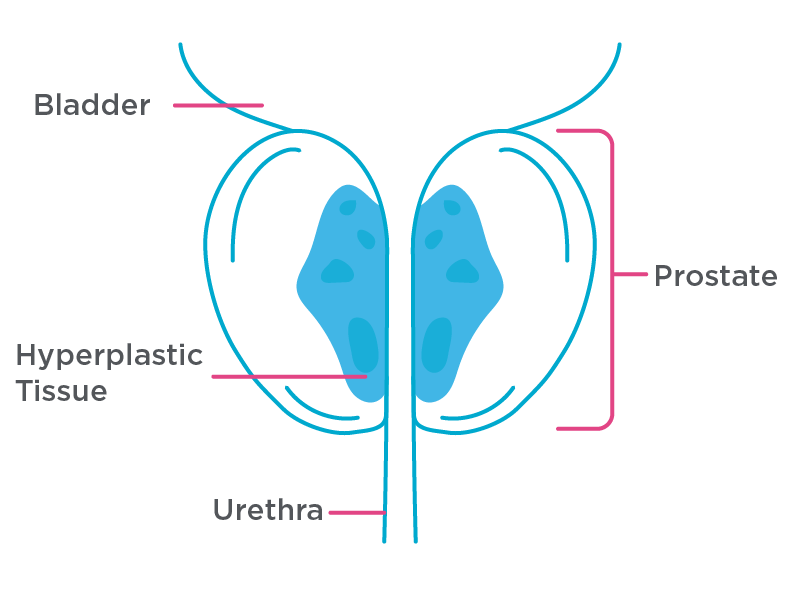
Before the procedure
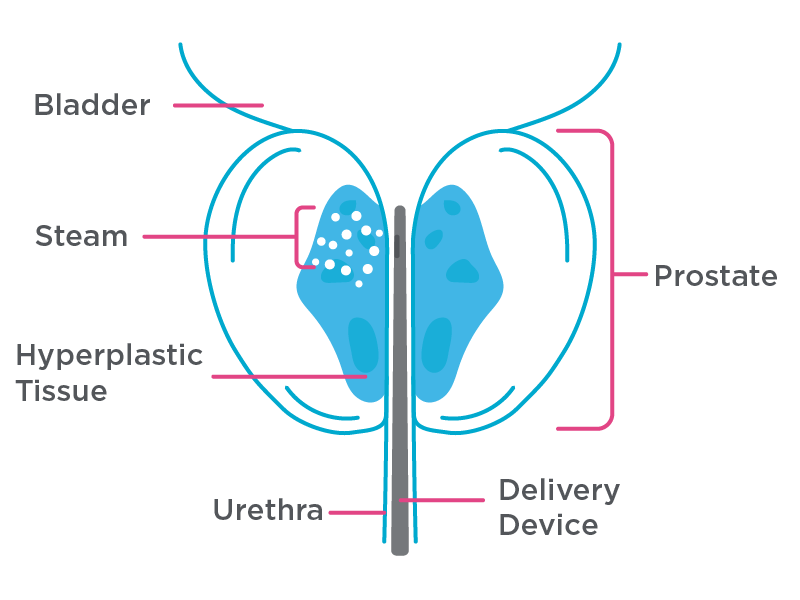
During the procedure
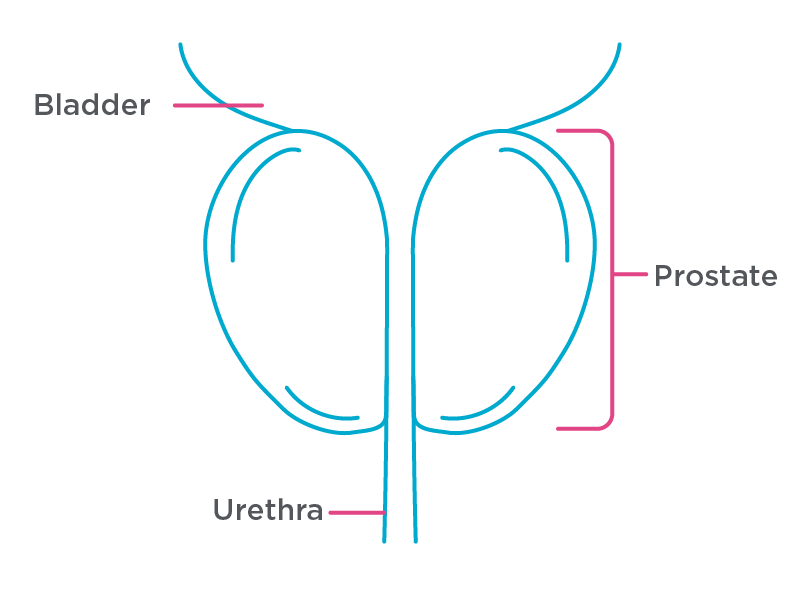
After the procedure
Rezum uses short bursts of steam injected into the prostate tissue. The heat causes targeted tissue damage; over weeks, the body reabsorbs that tissue and the channel opens.
It is typically done as a day procedure, often with sedation or anaesthesia depending on the centre. Many men go home the same day with a catheter for a few days.
HoLEP (Holmium Laser Enucleation of the Prostate)
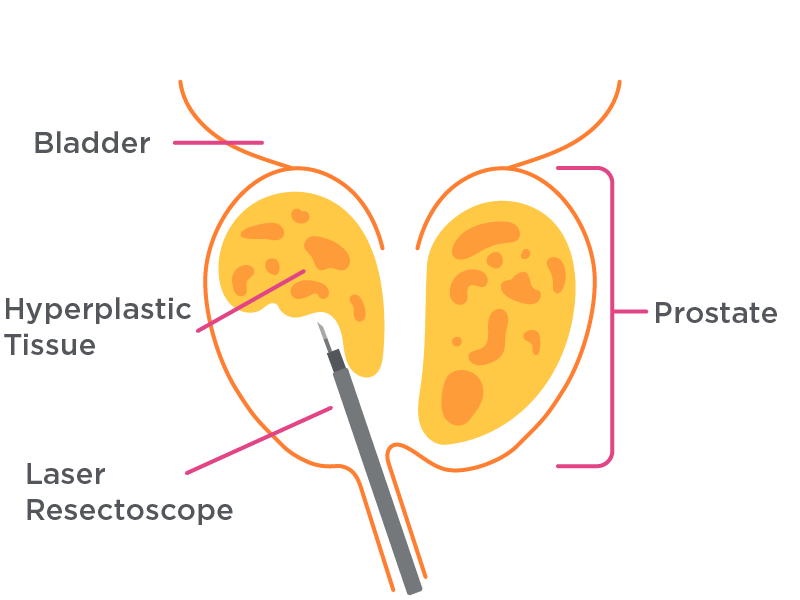
Before the procedure
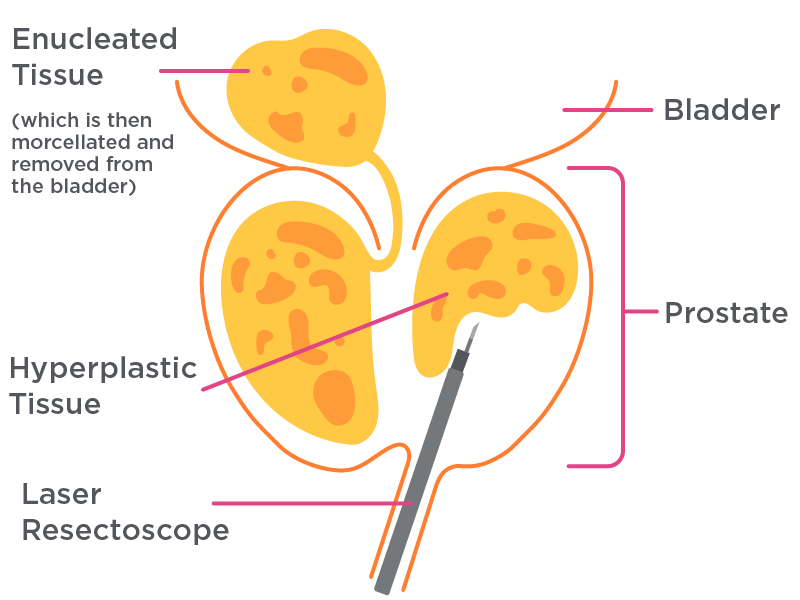
During the procedure
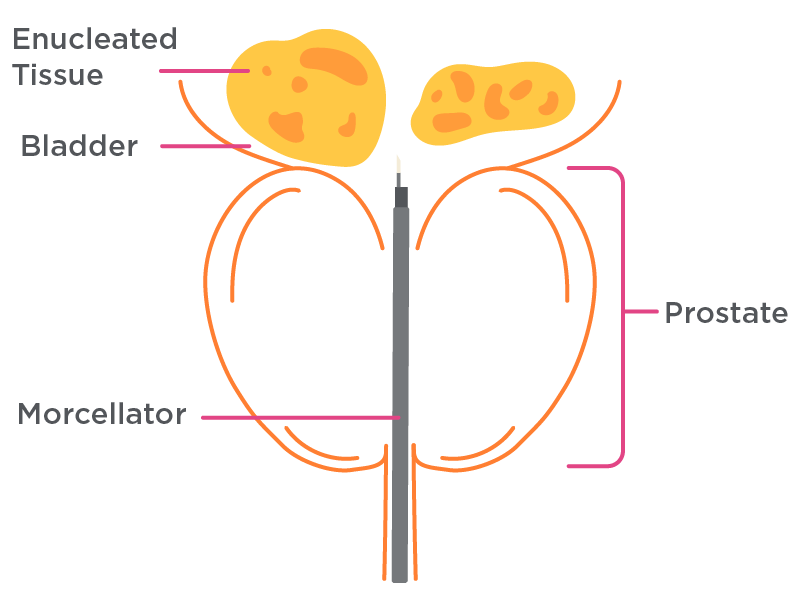
After the procedure
HoLEP is an endoscopic laser surgery performed through the penis (no skin cuts).
The surgeon peels out (enucleates) the obstructing prostate tissue, like shelling an orange, then removes it from the bladder.
Relief is usually rapid and strong, and the removed tissue can be sent for lab analysis. It typically requires anaesthesia and at least an overnight stay in many settings.
Two Important Questions Before Choosing Treatment
1. How Important Is Preserving Ejaculation?
Procedures that remove or significantly open the bladder neck (the internal “gate” that helps direct semen forward) commonly cause retrograde ejaculation—where semen goes into the bladder instead of out through the penis.
It is not dangerous, but it can feel emotionally distressing, affect sexual satisfaction, and matters for fertility.
HoLEP and Ejaculatory Function
HoLEP has a high rate of ejaculatory change.
Many studies report retrograde ejaculation in the range of 60–80% (rates vary by technique and how strictly it’s measured). Erectile function (the ability to get an erection) is usually preserved, but ejaculation often changes.
Rezum and Ejaculatory Function
Rezum is generally more “ejaculation-friendly.”
In published studies, most men maintain antegrade ejaculation, and the risk of new ejaculatory dysfunction is typically much lower than tissue-removing surgeries.
This is why Rezum is frequently considered when preservation of ejaculation is a high priority.
However, preserving ejaculation should not be treated like a marketing checkbox. If your BPH is severe—especially with urine retention—choosing a less aggressive option may mean trading sexual preservation today for a higher chance of needing another procedure later.
2. How Important Is Long-Term Durability?
Durability is where the contrast becomes sharper.
HoLEP: A More Durable Option
HoLEP is one of the most durable BPH procedures, including for large prostates. Re-treatment rates in long-term series are typically very low (often <1–2%).
Rezum: Less Invasive, But May Require Future Treatment
Rezum is effective for many men, but it is not designed to be the “maximum clearance” procedure.
Reported re-treatment rates vary across studies and real-world settings, but a practical expectation is that some men (roughly 5–10% over several years) may need another intervention—either medications again, a repeat minimally invasive therapy, or a more definitive surgery.
In an analytical sense, durability matters more when:
- your prostate is large
- your symptoms are severe
- you have retention
- or you live far from a centre and want to minimise future hospital visits
In Malaysia, where follow-up logistics, work commitments, and travel from smaller towns to tertiary hospitals can be challenging, the “one-and-done” advantage of a durable procedure can be very meaningful.
Which Treatment May Suit You Better?
Rezum may suit you if:
- you have mild-to-moderate obstruction
- you strongly wish to preserve ejaculation
- you prefer a less invasive approach
- you can accept that improvement is gradual over weeks
It can be appealing for men who are still sexually active and distressed by the idea of ejaculatory change, or those wanting to avoid more extensive surgery.
HoLEP may suit you if:
- you have more severe obstruction
- you have a large prostate
- you experience repeated retention episodes
- you want the most durable relief with the lowest chance of re-treatment
HoLEP is also useful when you want tissue sent for analysis. Occasionally, unexpected prostate cancer is found in removed tissue, especially in older men.

Recovery, Risks, and Practical Considerations
Both treatments can cause temporary burning when urinating, urgency, or blood in the urine during healing.
Rezum often requires a short period with a catheter and patience while swelling settles; symptom improvement may continue for 2–3 months.
HoLEP tends to provide faster flow improvement, but it may involve short-term urinary leakage in some men as the bladder adapts. Pelvic floor exercises can help.
Cost and availability also matter in Malaysia.
HoLEP requires specialised equipment and an experienced surgeon; outcomes are strongly linked to operator experience.
Rezum availability varies by hospital and may be offered more in certain private settings.
The “best” procedure on paper is not best if it’s not available with consistent quality where you can be treated.
Questions to Ask Your Urologist Before Deciding
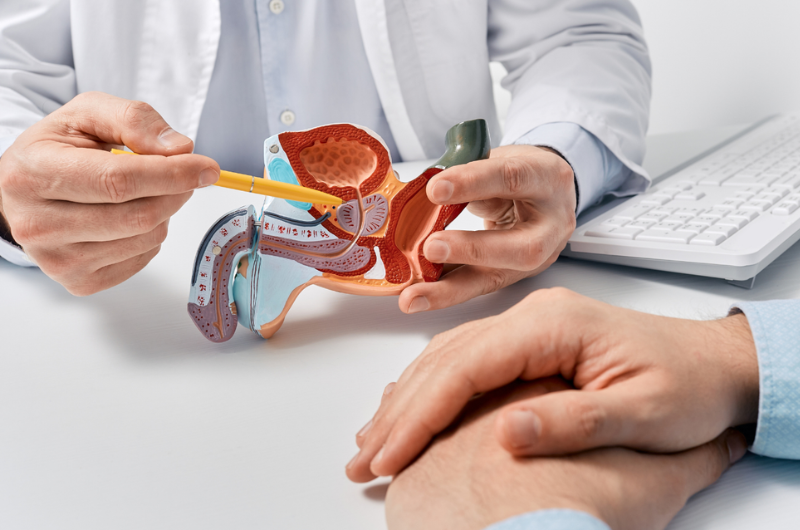
Bring the decision back to fundamentals.
Ask your urologist:
- What is my prostate size?
- How severe is my blockage?
- Do I have any high-risk features such as retention, kidney strain, infections, or bladder stones?
- What is the likelihood of losing forward ejaculation with this option?
- What is the chance I will need re-treatment in 5–10 years?
If fertility matters, say so explicitly. Many men assume it is understood, but it often is not discussed unless you raise it.
Conclusion
If you are in the “high severity” group, it is usually wiser in the long run to prioritise the main goal—reliably relieving obstruction—because repeated procedures can cost more money, time off work, and emotional energy than doing one definitive treatment well.
If your severity is moderate and ejaculation preservation is central to your quality of life, a less invasive option may be a reasonable, values-based choice—provided you accept the trade-off and have a clear follow-up plan.
返回