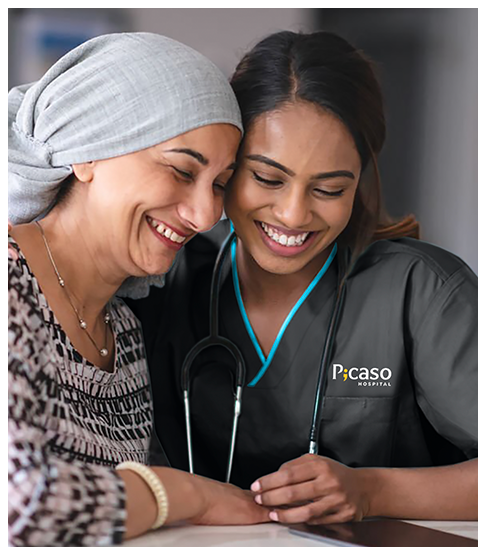

Breaking myths of endometriosis: Why severe period pain should not be ignored
March 11, 2026
Doctors urge early testing, awareness, explaining why ‘severe period pain’ should not be normalised
For many women, monthly period pain is often brushed aside as something to endure quietly. A hot water bottle, a painkiller and the reassurance that “it is normal” are common responses passed down through generations. But for women living with endometriosis, the pain can be far more serious than routine menstrual discomfort.
When pain is more than just a period

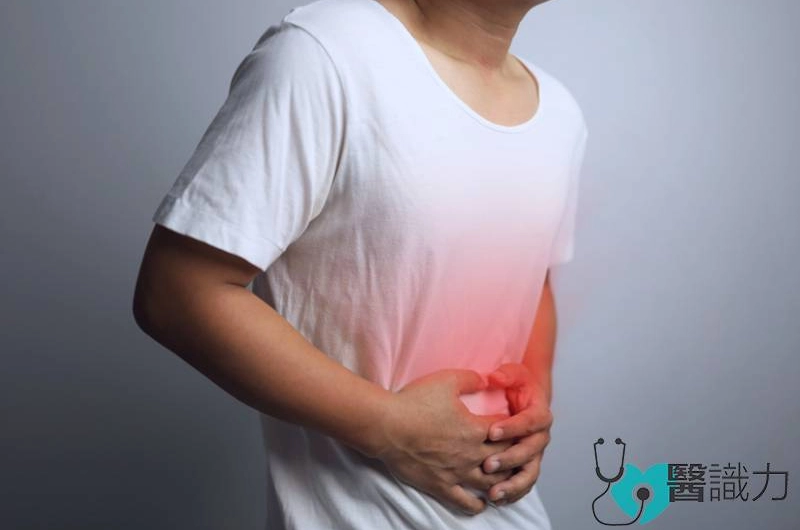
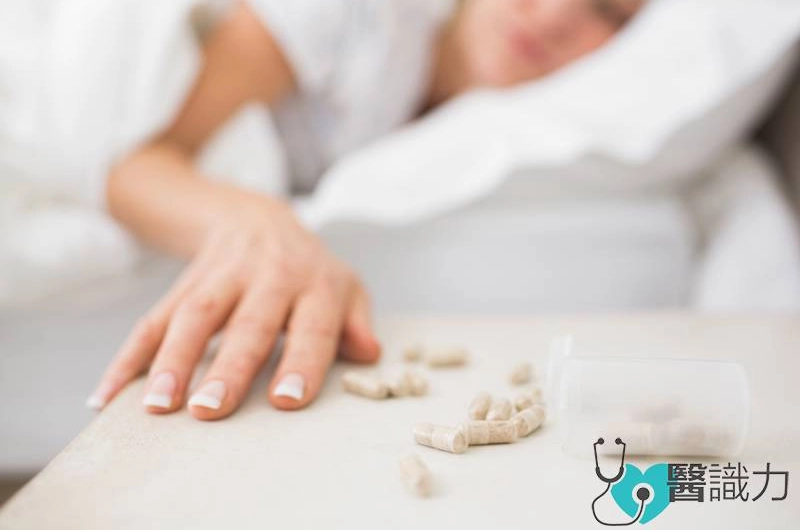
Experiencing severe menstrual cramps being called ‘normal’ often delays endometriosis diagnosis. – ALL PICS FROM 123RF
Endometriosis is a chronic condition where tissue similar to the lining of the uterus grows outside the womb. These growths, known as lesions, can appear on the ovaries, fallopian tubes and surrounding pelvic tissue. In more severe cases, they may also affect organs such as the bowel or bladder.
Each month, these lesions respond to hormonal changes just like the uterine lining does during menstruation. However, because the tissue is located outside the uterus, the inflammation and bleeding have nowhere to go, leading to intense pain, scarring and sometimes fertility complications.
Despite its impact, endometriosis remains widely misunderstood and frequently misdiagnosed.
A 2025 Health Ministry MaHTAS technology review estimates that endometriosis affects about 10% to 15% of Malaysian women. Health Ministry Indicators 2025 also recorded 1,937 endometriosis-related hospital discharges nationwide, highlighting that the condition continues to place a real burden on women’s health.
Yet many women still struggle to have their symptoms taken seriously.
Myth 1: Severe period pain is normal
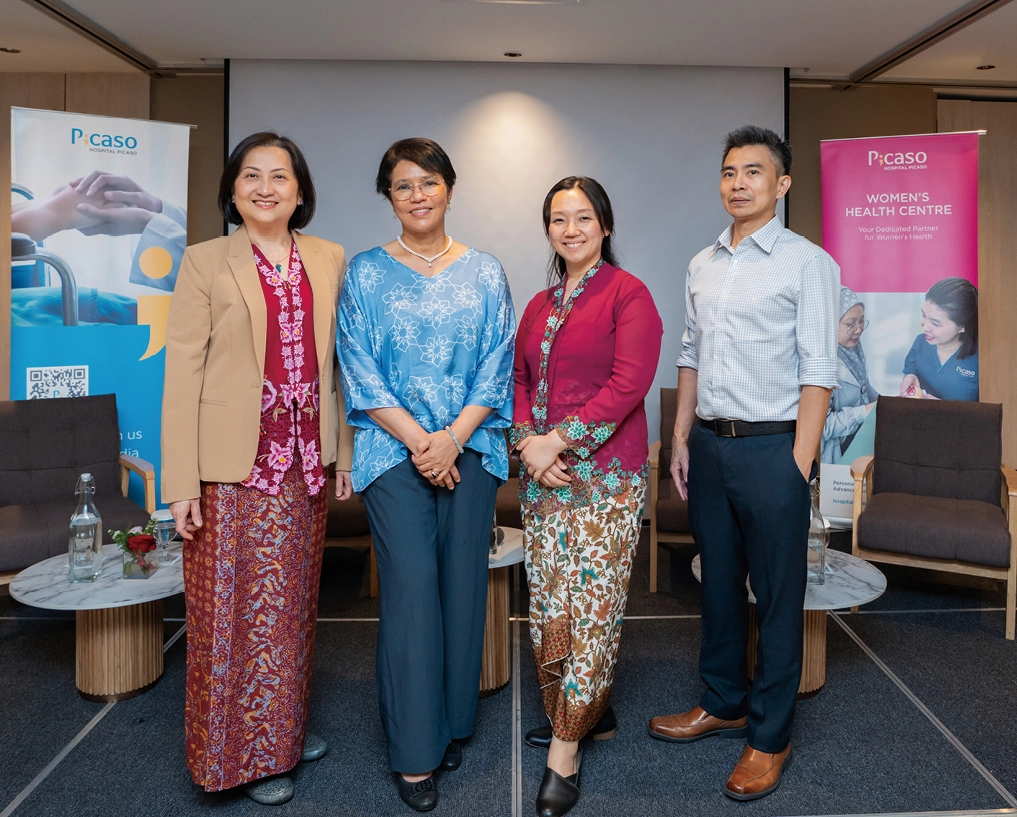
One of the most common misconceptions surrounding endometriosis is that intense menstrual pain is simply part of being a woman. During a recent panel discussion held in conjunction with International Women’s Day and Endometriosis Awareness Month, Hospital Picaso consultant gynaecologist Dr Tan Ee Ping highlighted how harmful this belief can be.
“Period pain is normalised by society as a part of having periods. When we women normalise severe symptoms or delay care, endometriosis can go undiagnosed for five to 10 years, resulting in delayed treatment,” she said.
The consequences of that delay can be significant. Over time, untreated endometriosis may lead to worsening pain, scarring of pelvic organs and fertility challenges.
According to Tan, recognising symptoms early can dramatically change a patient’s long-term outlook.
“Severe menstrual pain, persistent pelvic discomfort or symptoms that disrupt daily life are not ‘normal’ and should not be dismissed,” she said.
Myth 2: Pain is all in your head
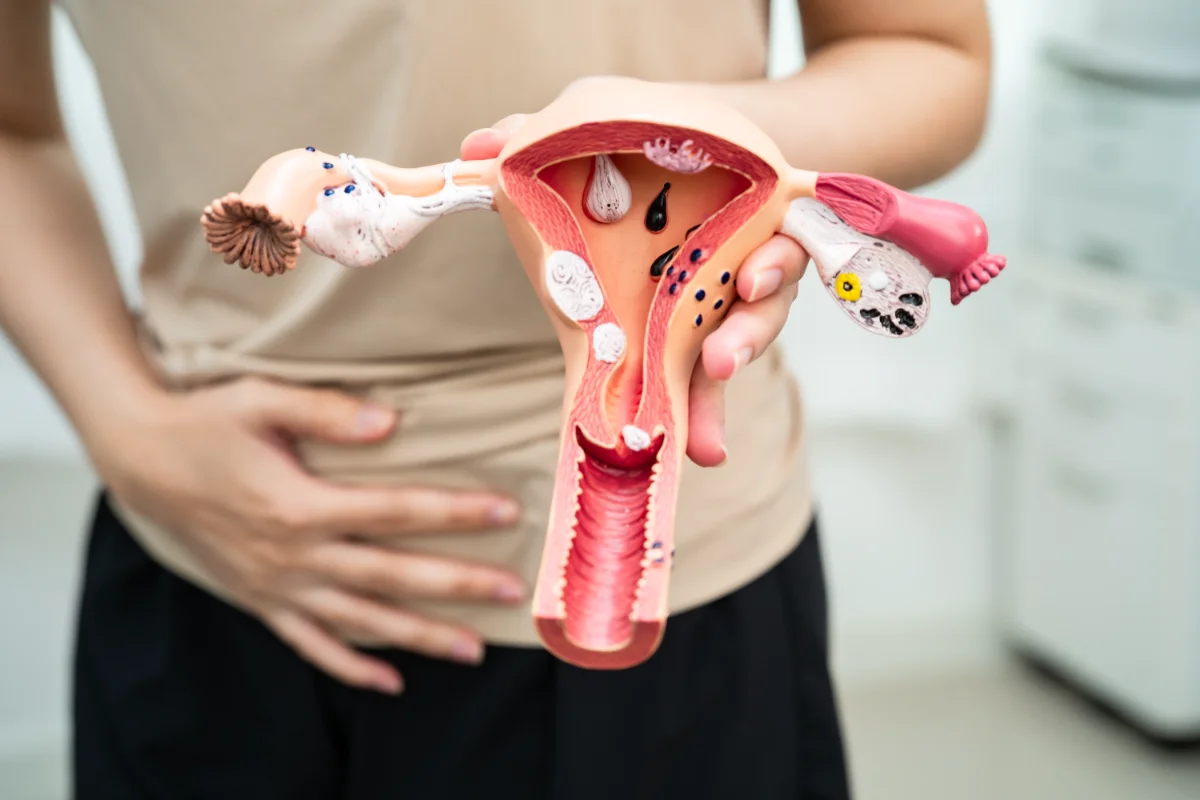
Endometriosis develops as tissue similar to the uterine lining, growing outside the womb causing inflammation, scarring and severe pain.
Another damaging myth is that endometriosis symptoms are exaggerated or psychological.
In reality, the pain experienced by patients is very real and stems from physical changes within the body. Lesions, inflammation and scar tissue can irritate nerves and organs in the pelvic region, producing severe discomfort that often extends beyond the menstrual cycle.
Some women also experience pain during bowel movements, urination or sexual intercourse. Others struggle with chronic fatigue or digestive issues that further affect daily life.
Dismissing these symptoms as emotional or stress-related can delay diagnosis and leave patients feeling isolated or unheard.
Myth 3: Endometriosis only affects reproductive organs
Many people assume that endometriosis exists solely within the reproductive system. However, the disease can extend beyond the uterus and ovaries.
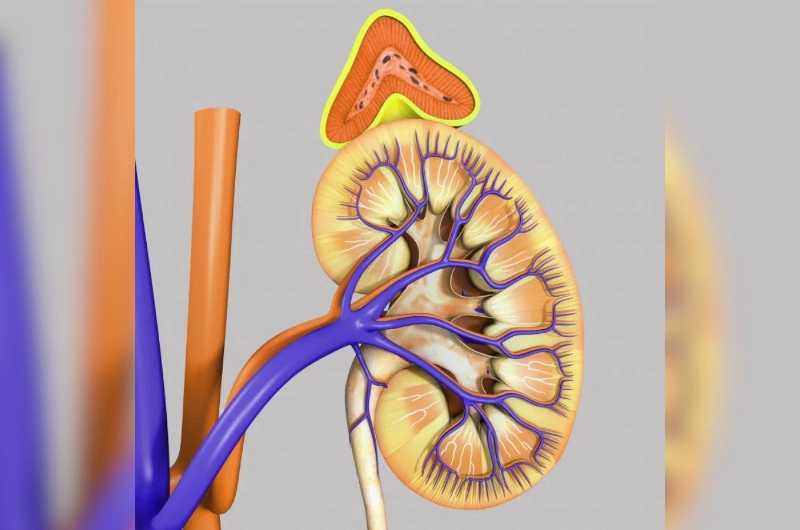
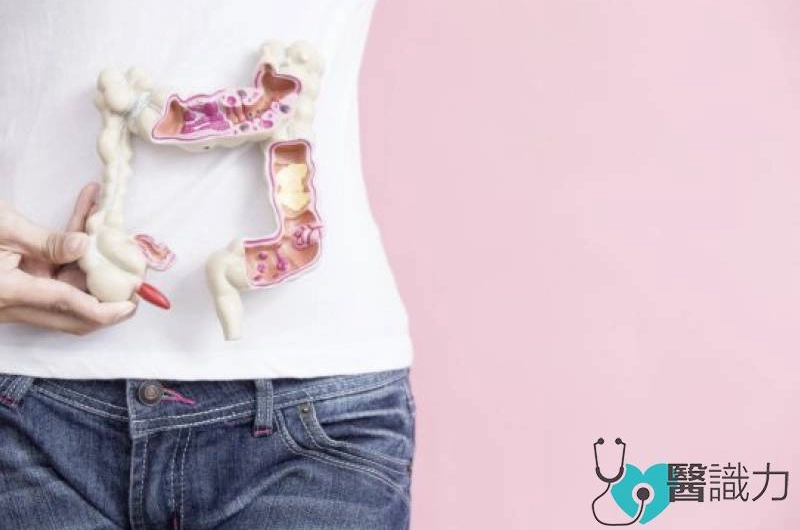
Tan explained that lesions may develop on nearby organs including the bowel and bladder, which can complicate diagnosis and treatment.
“A misconception is that endometriosis only affects the reproductive organs. The condition can involve surrounding organs such as the bowel and bladder, which is why a coordinated, multidisciplinary approach is often necessary,” she said.
With that said, managing endometriosis may require collaboration between gynaecologists and other specialists such as urologists or colorectal surgeons, depending on the severity and location of the disease. Through this multidisciplinary care, doctors can help ensure that treatment addresses the full scope of the condition rather than focusing on a single organ.
Myth 4: Surgery is always the solution
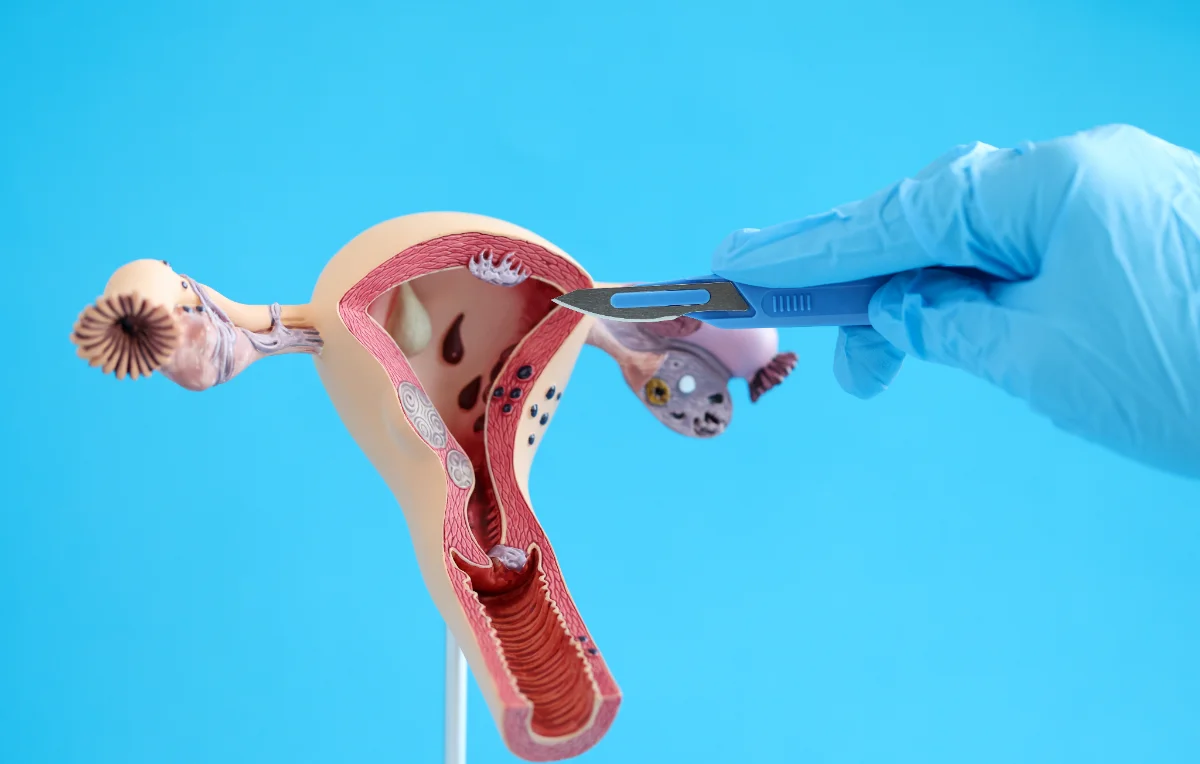
Early detection allows doctors to manage the disease more effectively, reducing the need for patients to undergo several surgeries that would only burden them further.
While surgery is sometimes necessary to remove endometriosis lesions, repeated procedures are not ideal.
Tan emphasised the importance of getting the right diagnosis and treatment plan from the start.
“One key message we emphasise is that the first surgery should be the last surgery. Delayed diagnosis can lead to repeated procedures, prolonged suffering and potentially compromised fertility,” she said.
Early detection allows doctors to manage the disease more effectively, reducing the risk of recurrence and supporting fertility preservation, particularly as more women choose to marry or start families later in life.
Beyond medical treatment, awareness plays a critical role in improving outcomes for women living with endometriosis.
Ending the silence
For many patients, the first challenge is overcoming years of stigma and dismissal surrounding menstrual pain. The idea that women should quietly tolerate discomfort has long shaped conversations about reproductive health.
Changing that mindset begins with recognising that pain, which interferes with daily activities is not something to ignore.
When women speak openly about their symptoms and seek medical advice early, they increase the chances of receiving timely care and effective treatment.
Ending the myths around endometriosis does more than correct misinformation. It helps women reclaim their health, their voices and their right to live without unnecessary pain.
Sources
Breaking myths of endometriosis: Why severe period pain should not be ignored (The Sun Malaysia, 11 March 2026)
HIDDEN HEALTH STRUGGLE: HOSPITAL PICASO URGES YOUNG WOMEN NOT TO IGNORE SEVERE PERIOD PAIN (Twenty4Seven Media, 6 March 2026)
Hospital Picaso Hosts Ramadan Iftar and International Women’s Day Panel to Spotlight Endometriosis Awareness (The Ledger Asia, 6 March 2026)
Picaso Hospital’s Iftar and Panel Endometriosis Discussion (Wise-Mag, 9 March 2026)
BackMore News


Consult Our Dedicated Specialists Today!
Decades of experience under their belt — at your service just a few clicks away.
Book Appointment Contact Us