


What Is a Foley Catheter?
A Foley catheter is a thin, flexible tube inserted into your bladder to drain urine while your body heals after prostate surgery. It will remain in place for about 10 days and will be removed during your follow-up visit.
Using the Drainage Bags
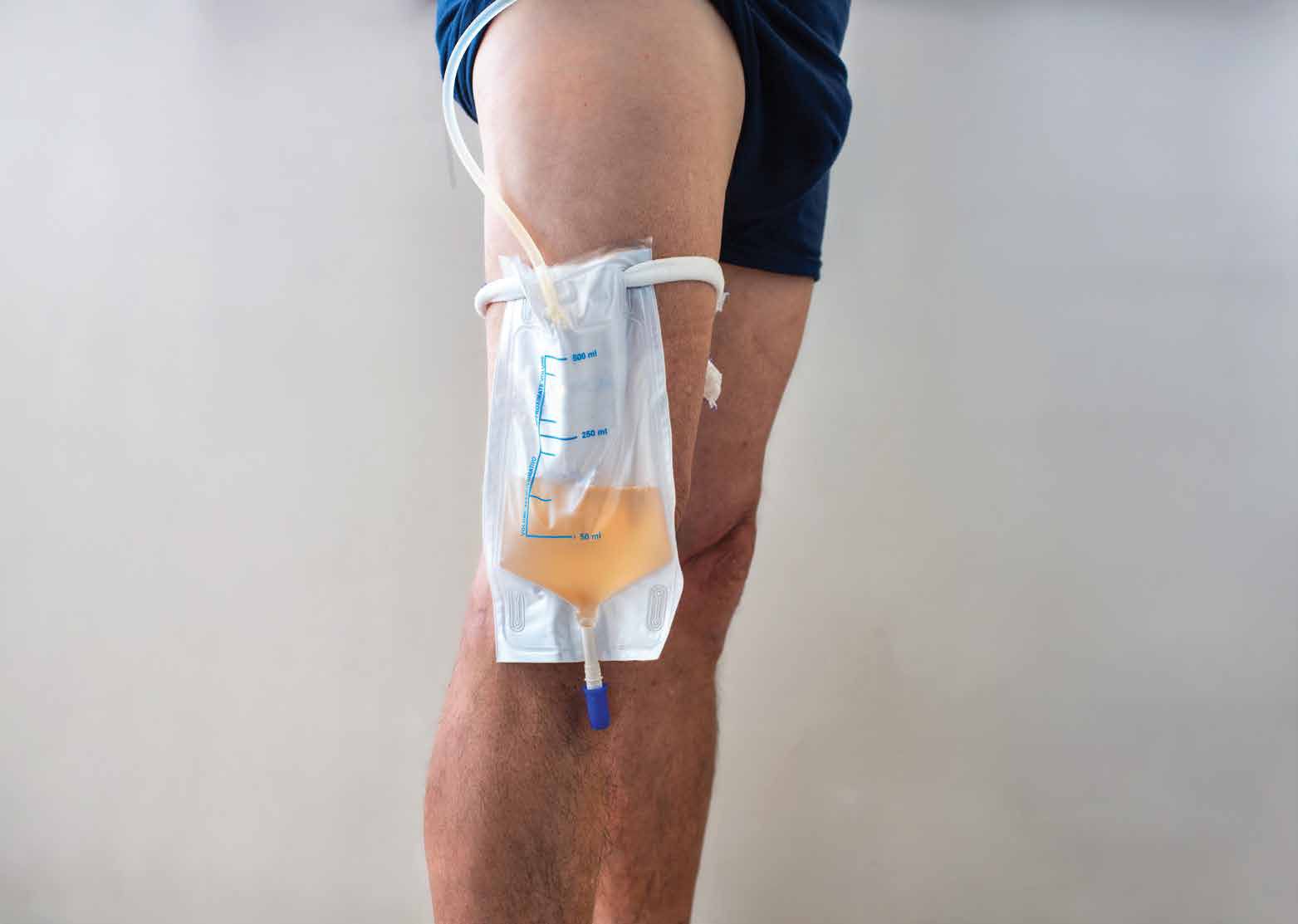
Leg Bag (Daytime)
Daytime Use
①
Positioning: Attach securely to your thigh during daytime hours.
②
Emptying Schedule: Drain the bag when approximately half full or every 4–6 hours.
③
Proper Placement: Ensure the bag remains below bladder level at all times.
Night Bag (Sleeping)
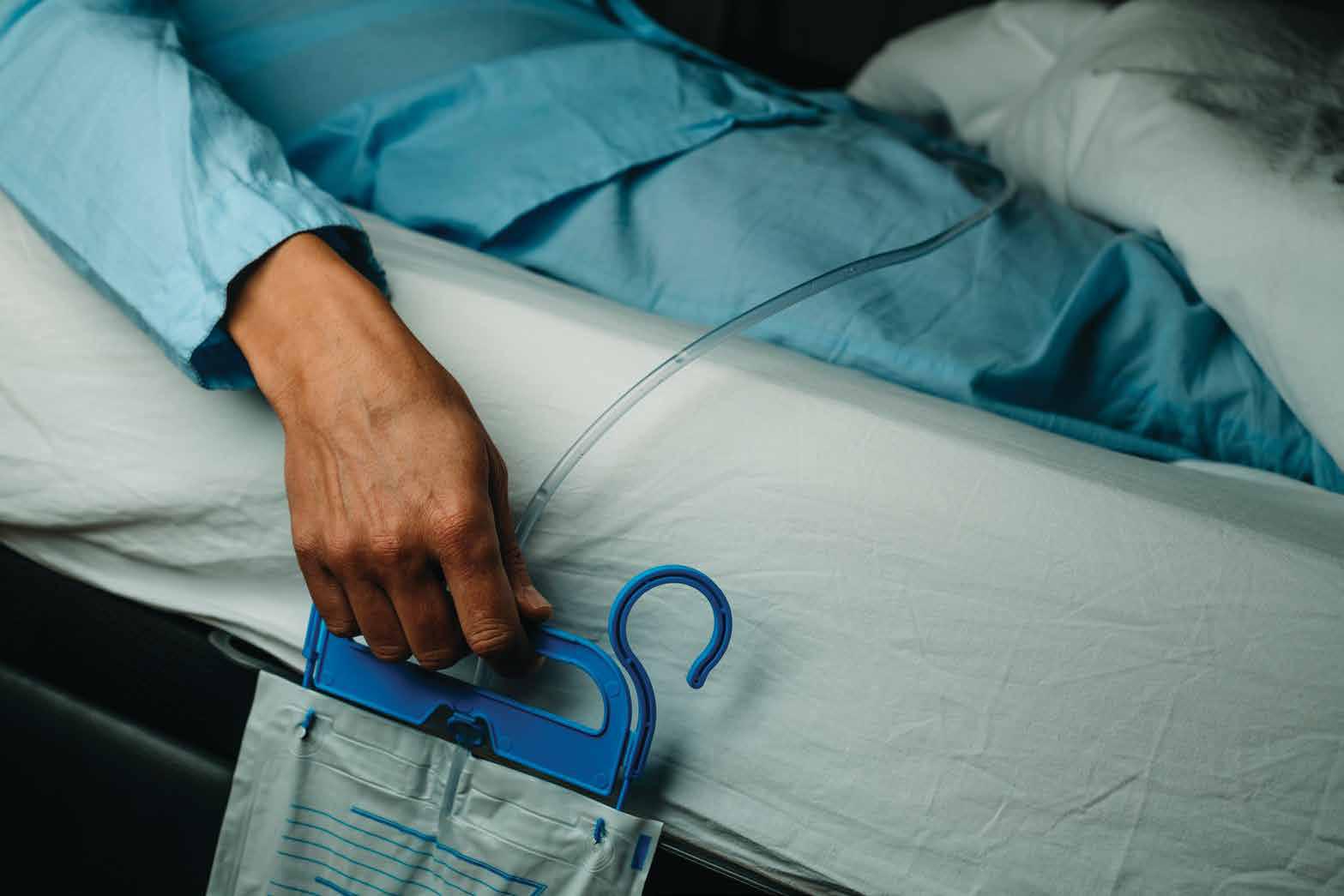
Nighttime Use
Evening Setup: Connect your catheter to the larger-capacity night bag before bedtime.
Proper Placement: Position the bag below bed level—on the floor or in a clean container.
Important Reminder: Do not sleep while wearing the leg bag; switch to the night bag only.
At-Home Catheter Care
Daily Cleaning:
- Wash hands with soap and water before and after touching your catheter.
- Clean the skin around the catheter once daily with mild soap and water.
- Gently dry the area with a clean towel—do not apply powders or creams unless instructed.
Securing the Catheter:
- Use the tape provided to hold the catheter tubing in place on your thigh.
- This helps prevent accidental pulling and reduces discomfort.

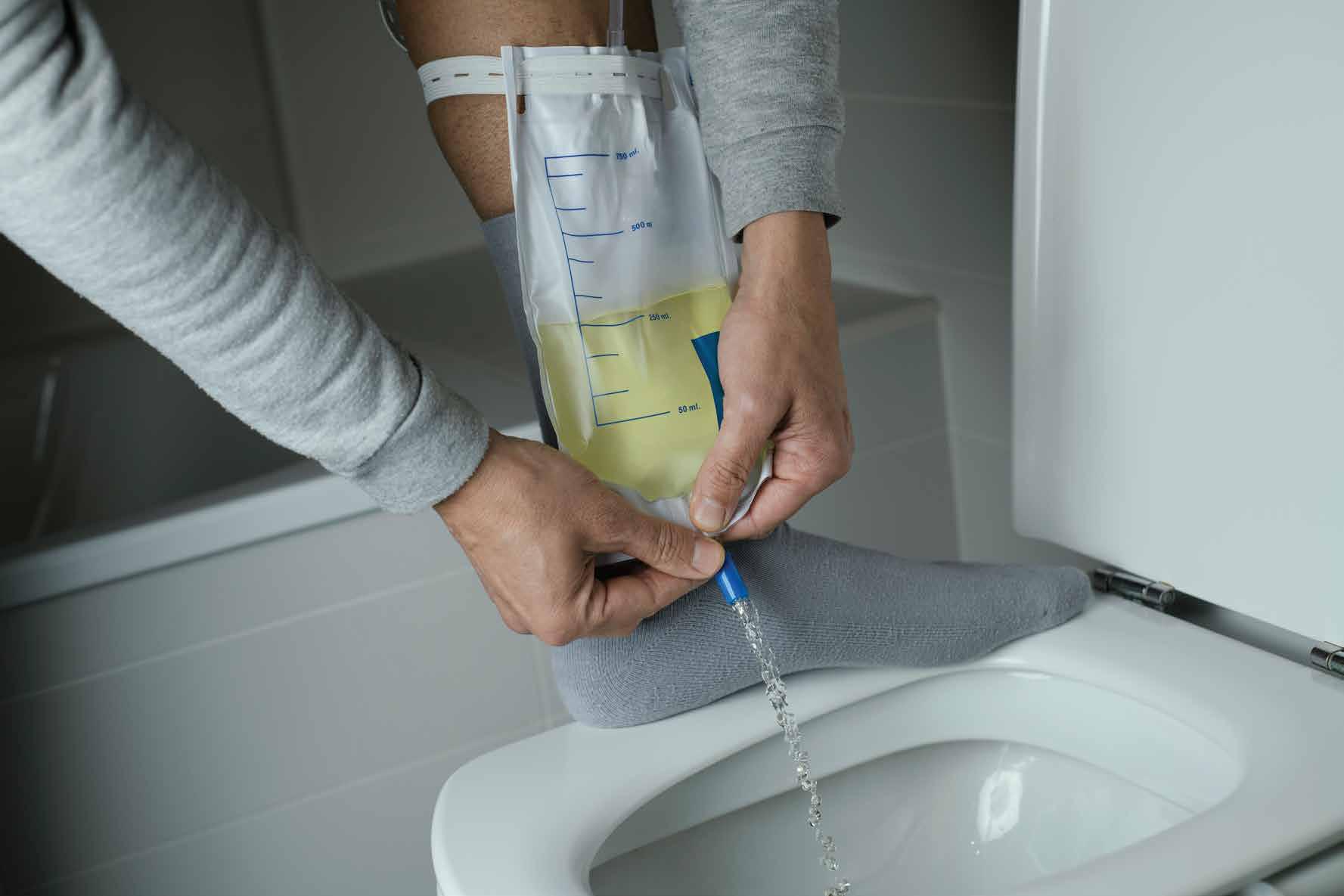
How to Empty the Bag:
- Wash your hands.
- Open the drainage valve over the toilet or container.
- Let urine drain completely.
- Close the valve securely and wipe with a clean tissue if needed.
- Wash your hands again.
Activity Guidelines
- Rest: Take it easy for the first few days at home.
- Walk: Gentle walking is encouraged to prevent blood clots.
- Avoid: Heavy lifting, straining during bowel movements, driving until cleared by your doctor, and sexual activity until your follow-up visit.
Drink Plenty of Fluids
- Aim for 6-8 glasses of water daily unless your doctor advises otherwise.
- Helps flush the bladder and keep urine flowing freely
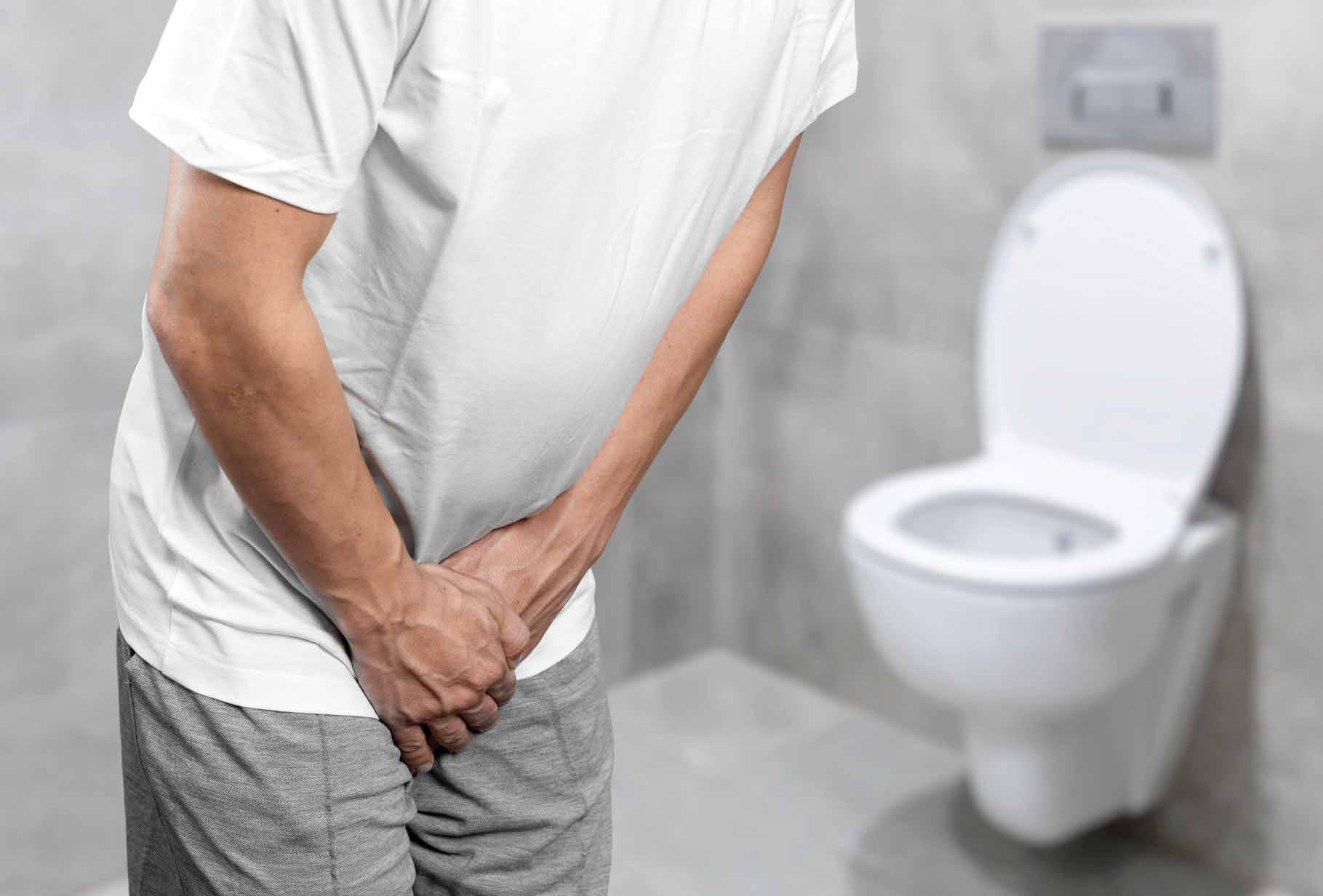
Watch for These Signs - Call Your Doctor If You Notice:
When to Seek Medical Attention
Warning Signs
Fever over 38°C (100.4°F) with any of the following:
•
Chills or shaking
•
Urine changes: Cloudy, foul-smelling, or bloody output
(Small blood streaks may be normal initially)
(Small blood streaks may be normal initially)
•
Pain or burning around catheter or in lower abdomen
•
Little or no urine collecting in the drainage bag
•
Catheter dislodgement: Tube comes out accidentally or leaks around insertion site
Consult Our Dedicated Specialists Today!
Decades of experience under their belt — at your service just a few clicks away.
Book Appointment Contact Us