
No Two Women With Breast Cancer Are The Same: Understanding Subtypes and Personalised Treatment
By BFM 89.9
October 29, 2026
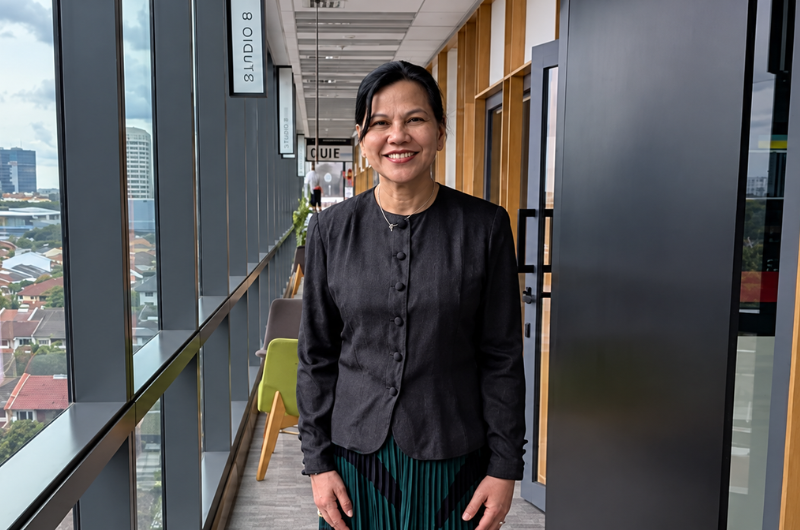
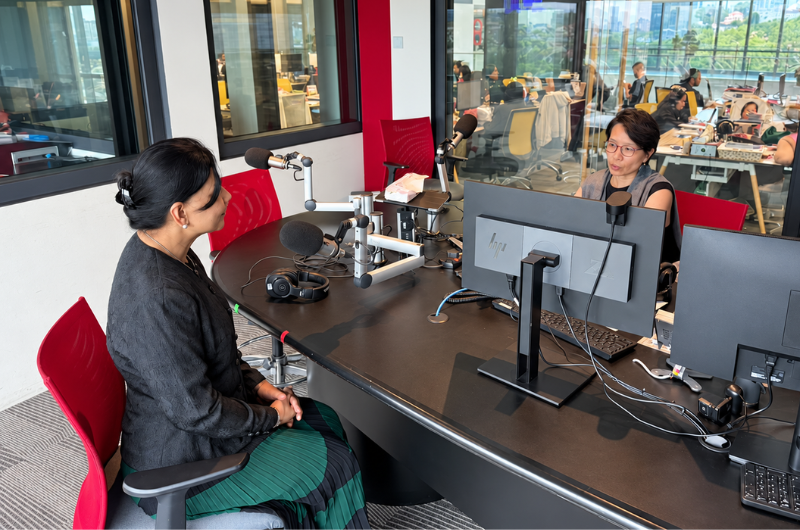
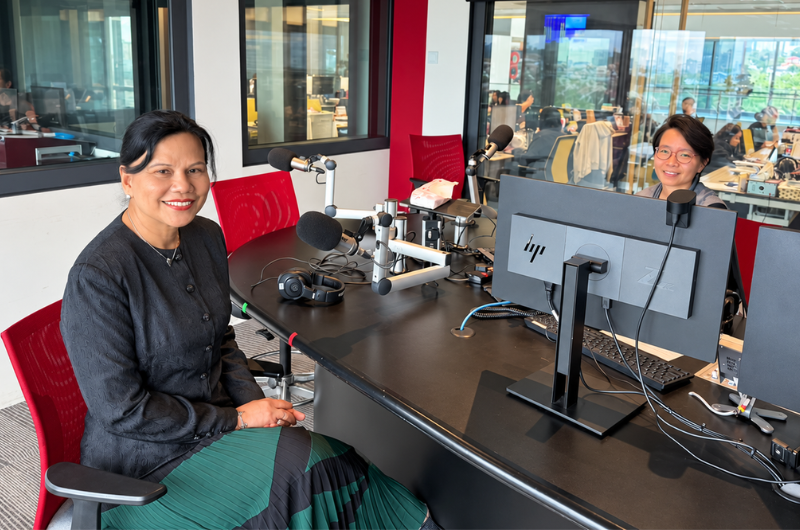
Our Consultant Clinical Oncologist, Dr Mastura Md Yusof, is featured in a BFM 89.9 Health & Living podcast session on the topic of “No Two Women With Breast Cancer Are The Same.”
In this episode, Dr Mastura explores how breast cancer differs from one woman to another, highlighting the importance of understanding breast cancer subtypes, molecular profiling and personalised treatment approaches. She discusses how advances in cancer treatment have expanded options for women with different breast cancer subtypes, including triple-negative, HER2-positive and hormone receptor-positive breast cancers.
The conversation also highlights the importance of early detection, timely diagnosis and multidisciplinary care in improving treatment outcomes. Dr Mastura further addresses common concerns surrounding treatment duration, side effects, recurrence and the emotional and financial challenges women may face throughout their breast cancer journey.
No Two Women With Breast Cancer Are The Same
Disclaimer: The following Q&A is based on the BFM 89.9 Health & Living podcast recording featuring Dr Mastura Md Yusof and has been medically reviewed by Dr Mastura. The responses have been edited for clarity and readability while retaining the key points discussed during the interview. This initiative was brought to you by AstraZeneca. This patient educational content is not intended to replace the advice of your doctor or healthcare provider. Please always speak to your healthcare provider for further information.
1. What Are the Advances in Breast Cancer Treatment for Different Subtypes?
Advances in breast cancer treatment have expanded the options available to women with different breast cancer subtypes, improving treatment outcomes and survival. For example, triple-negative breast cancer can now be treated with immunotherapy and antibody-drug conjugates (ADCs). These treatments have contributed to improved survival among women with early-stage triple-negative breast cancer, as well as those with metastatic disease. When I first started treating patients with metastatic triple-negative breast cancer about 20 years ago, their life expectancy was around one year. Today, it can be approximately five years or more. This demonstrates how much treatment has advanced. We have also seen significant progress in targeted therapies for HER2-positive breast cancer over the past 25 years. In 1998, there was only one established anti-HER2 drug. Today, there are probably more than 10, maybe 20 anti-HER2 treatment options. For hormone receptor-positive breast cancer, targeted treatments include CDK4/6 inhibitors and other therapies targeting ESR1 and PIK3CA, particularly in the metastatic setting. These advancements highlight why understanding the characteristics of each breast cancer subtype is important. By identifying the subtype, doctors can better understand how the cancer may behave and determine the most appropriate treatment approach.
2. Can Breast Cancer Subtypes Predict Where the Cancer May Spread?
Yes. Different breast cancer subtypes tend to spread to certain organs, and understanding these patterns helps doctors guide patients on which symptoms to look out for. For example:
- Triple-negative breast cancer: Has a tendency to spread to the lungs and brain. Symptoms such as headaches, dizziness and balance problems may warrant further investigation, including a brain MRI.
- HER2-positive breast cancer: May spread to the brain, liver and lungs.
- Hormone receptor-positive breast cancer: The bones and lymph notes are more common sites of spread.
The timing of recurrence also differs between subtypes. Hormone receptor-positive, HER2-negative breast cancer can recur many years after the initial diagnosis, even after 10 years. In contrast, triple-negative and HER2-positive breast cancers tend to recur within the first few years, particularly within the first three years. Patients who remain recurrence-free for the first three to five years generally tend to do well in the years that follow. These are common patterns that help us plan follow-up care, although every patient's experience is different.
3. Can Breast Cancer Change Its Characteristics or Become Resistant to Treatment?
Yes. Breast cancer can change its characteristics over time, which may affect how it responds to treatment. For example, a patient may initially have ER-positive, HER2-negative breast cancer. However, if the cancer recurs, a repeat biopsy may reveal different characteristics from the original tumour. This could explain why a patient taking hormone-blocking medication may still experience a recurrence. The cancer may have changed and may no longer respond to the medication in the same way. That is why further investigations and, where appropriate, repeat biopsies are important when cancer recurs. They help doctors understand the cancer's current characteristics and determine the most suitable treatment approach.
4. Why Is Understanding Your Breast Cancer Subtype Important?
Understanding your breast cancer subtype helps you make sense of your diagnosis, treatment options and what to expect throughout your cancer journey. Receiving a cancer diagnosis can be overwhelming. Patients may find it difficult to process the information shared during their consultations. I always encourage them to bring someone along to help listen, understand and remember important information. I also recommend writing down questions and discussing the most important concerns with their doctors. I often explain that knowing what type of cancer you have is an important starting point. Patients should also consider how their diagnosis may affect other aspects of their lives, including:
- Their ability to continue working and manage their income.
- Their family responsibilities and relationships.
- Their plans to have children.
- The possibility of hereditary cancer risk and how this may affect their family members.
- The support they may need throughout treatment and recovery.
Every patient's circumstances are different, so having the right support is essential. Patients do not have to navigate this journey alone. Support may come from genetic counsellors, social workers, counsellors, rehabilitation professionals, fertility specialists, NGOs and breast cancer advocates, alongside their medical team.
5. Why Is a Multidisciplinary Team Important in Breast Cancer Treatment?
Breast cancer treatment should be guided by specialists who understand the condition and can develop an evidence-based, personalised treatment plan. For example, patients diagnosed with cancer should seek care from an oncologist, while those with breast cancer should consult an experienced breast surgeon. AI tools and online information can provide general information, but they cannot replace the expertise of a medical team that understands a patient's individual condition. Breast cancer is complex and requires collaboration between different healthcare professionals. A multidisciplinary team (MDT) assesses the patient's condition, discusses treatment options and develops an individualised treatment plan. The team also monitors the patient's progress and makes adjustments when necessary. Ultimately, the goal is to achieve the best possible outcomes in terms of both survival and quality of life.
6. Can Breast Cancer Behave Differently from What Its Subtype Normally Predicts?
Yes. Although breast cancer subtypes provide useful indications of how a cancer may behave, they do not determine every patient's experience. Breast cancer is highly heterogeneous, meaning it is not a single disease with identical characteristics in every patient. For example, patients with triple-negative breast cancer may receive standard treatment involving chemotherapy and immunotherapy. While many patients respond to treatment, some may not respond as expected. If a patient does not show a satisfactory response after several treatment cycles, further investigations, such as an ultrasound or scan, may be necessary to assess the cancer's progress. If the cancer has grown despite treatment, the medical team may need to reconsider the treatment approach. For instance, a patient who was initially expected to undergo a lumpectomy to preserve the breast may require a different surgical approach based on the latest findings. These decisions are discussed with the patient and the multidisciplinary team to determine the most appropriate next steps. Although uncommon, some patients may experience disease progression while undergoing treatment, particularly those with locally advanced breast cancer. Patients should inform their doctors if they develop new symptoms, such as a cough, increasing breathlessness or bone pain. These symptoms may require further investigation to determine whether the cancer has spread and whether the treatment plan needs to be adjusted.
7. What Are the Common Concerns Women Have About Breast Cancer Treatment?
Some of the most common concerns include treatment duration, treatment costs and how cancer may affect their daily lives. Patients often wonder why someone they know only needs six months of treatment while their own treatment takes a year. The duration depends on factors such as the breast cancer subtype and the treatment required. For women with hormone receptor-positive breast cancer, hormone therapy may be recommended for up to 10 years to reduce the risk of recurrence. Younger, premenopausal women may also receive injections to temporarily induce menopause. This helps lower oestrogen levels and may be continued for up to five years, depending on their treatment plan. The reason for extended treatment is that hormone receptor-positive breast cancer can recur many years after the initial diagnosis. The cost of treatment is another significant concern, particularly when additional medications are required. Some women may need additional treatments, such as immunotherapy or anti-HER2 targeted therapy, which can increase their overall treatment costs. Women also need to consider their financial circumstances, family responsibilities and ability to continue working throughout treatment.
8. What Are the Common Side Effects of Breast Cancer Treatment, and How Can They Be Managed?
Side effects vary depending on several factors, including a woman's age, existing medical conditions, the type of treatment she receives and the support available to her. Many women worry about whether treatment side effects will affect their ability to work, look after their children and manage their daily responsibilities. Hair loss is another common concern because many women associate their appearance and confidence with their hair. Fortunately, there are options that may help manage certain side effects. Scalp-cooling machines, for instance, can help reduce hair loss during chemotherapy. Doctors may also adjust chemotherapy schedules, such as administering treatment weekly, depending on the patient's condition and treatment requirements.
Beyond physical side effects, emotional and practical concerns are equally important. Sexuality and body image are also important considerations, particularly when discussing breast surgery and reconstruction. For example, patients may wonder whether a reconstructed breast will feel the same as their original breast. Even when the nipple is preserved, the reconstructed breast may not feel the same as the original breast. These conversations are important because breast cancer affects more than just physical health. It can also affect a woman's emotional well-being, relationships, confidence and everyday life.
9. Have Advances in Breast Cancer Treatment Made Personalised Care More Accessible?
Yes. Treatment has become more accessible in several ways, although financial challenges remain for some patients. Pharmaceutical companies may offer patient assistance programmes and other initiatives to make medications more affordable. NGOs also provide financial assistance, while pharmaceutical companies may collaborate with government hospitals to improve access to certain treatments for patients receiving care in the public healthcare system. Molecular testing has also become more affordable and accessible. Apart from ER, PR and HER2 testing, more laboratories are now offering additional molecular tests. This allows doctors to obtain the information needed to guide treatment decisions, often with shorter waiting times. There are also more affordable options for managing treatment-related side effects. For example, patients now have access to generic anti-vomiting medications, alongside a wider range of supportive treatments for conditions such as mouth sores, skin problems and immunotherapy-related side effects. Although treatment remains financially challenging for some women, these developments have helped improve access to breast cancer care.
10. What Further Advances Are Needed to Improve Breast Cancer Diagnosis and Treatment in Malaysia?
There are several areas where further progress would benefit women with breast cancer. Firstly, we need more laboratories that can perform a wider range of molecular tests. This would allow doctors to better understand the characteristics of individual cancers and identify suitable treatment options. Secondly, more clinical trials are needed to bring newer drugs and treatment options to Malaysia. Through sponsored clinical trials, eligible patients may also gain access to treatments at no cost. Thirdly, greater collaboration between private and public hospitals would help improve patient care. Sharing medical expertise, facilities and other resources could strengthen the support available to patients throughout their treatment journey. Finally, we need to strengthen the patient voice. Patients should be encouraged to advocate for themselves, work with NGOs and raise concerns about issues that matter to them. This includes advocating for policy changes, greater funding and improved access to treatment and support services. Patients also need to be educated and stay informed about developments in breast cancer care so they can advocate for their needs.
11. Why Is Early Detection Important for Improving Breast Cancer Outcomes?
Early detection is important because breast cancer is so common, and any woman today carries some risk of developing the disease in their lifetime. Breast cancer affects approximately one in 23 women in Malaysia and that this could rise to one in eight in the future. The earlier the detection, the easier it is to treat. Early diagnosis can also improve treatment outcomes and has a lower treatment side effects and overall cost. However, late-stage diagnosis remains a concern in Malaysia, with almost 50% of breast cancer cases reportedly diagnosed at a late stage. Women are advised to seek medical attention early, to understand your diagnosis well and trust the treatment process. Most importantly, seek help from experienced healthcare professionals who can guide you through the appropriate investigations, diagnosis and treatment options.
Early Detection, Personalised Care and the Right Support
Breast cancer affects women differently, and understanding each cancer subtype is an important step towards personalised treatment and care. As highlighted by Dr Mastura, early detection, timely diagnosis and guidance from experienced healthcare professionals can make a meaningful difference to treatment outcomes. Every woman's breast cancer journey is unique. With the right medical team, appropriate treatment and support, patients can be better equipped to navigate their diagnosis and treatment journey.
Kembali
Meet Our Specialists

Dr Mastura Md Yusof
Konsultan Klinis OnkologiKampanye Lainnya








Konsultasikan dengan Dokter Spesialis Kami Hari Ini!
Dengan pengalaman selama puluhan tahun, dokter spesialis kami siap membantu Anda hanya dalam beberapa klik.
Buat Janji Temu Hubungi Kami