
#HEALTH: What ails the gut?
March 27, 2026
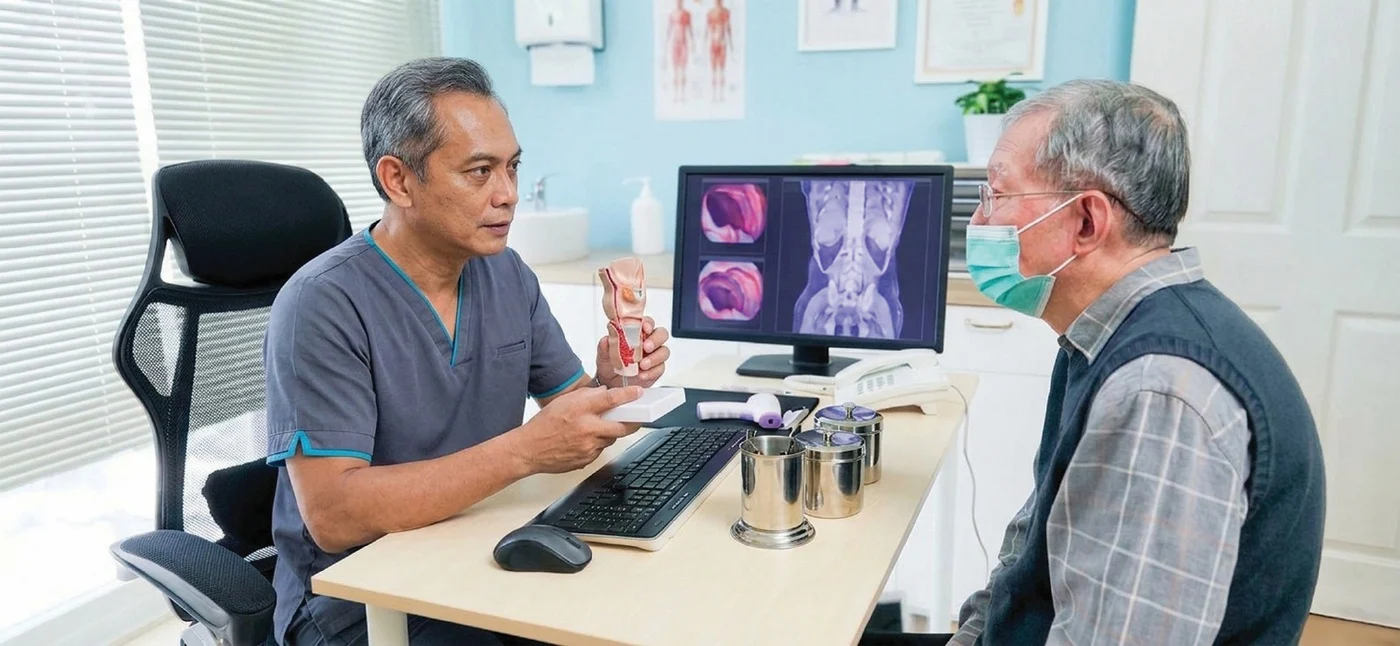
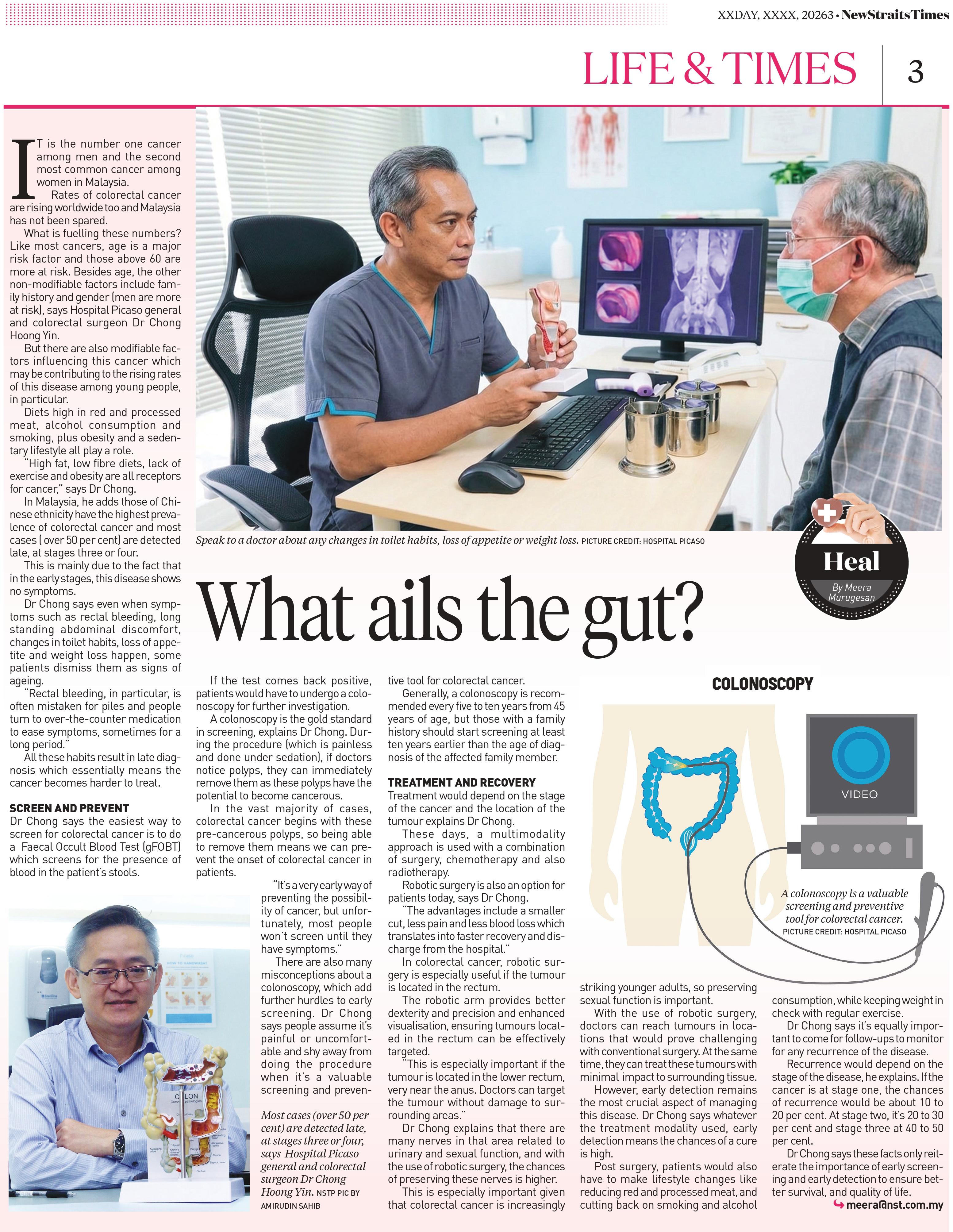
Speak to a doctor about any changes in toilet habits, loss of appetite or weight loss. PICTURE CREDIT: HOSPITAL PICASO
IT is the number one cancer among men and the second most common cancer among women in Malaysia.
Rates of colorectal cancer are rising worldwide too and Malaysia has not been spared.
What is fuelling these numbers? Like most cancers, age is a major risk factor and those above 60 are more at risk. Besides age, the other non-modifiable factors include family history and gender (men are more at risk), says Hospital Picaso general and colorectal surgeon Dr Chong Hoong Yin.
But there are also modifiable factors influencing this cancer which may be contributing to its rising rates among young people, in particular.
Diets high in red and processed meat, alcohol consumption and smoking, plus obesity and a sedentary lifestyle all play a role.
"High fat, low fibre diets, lack of exercise and obesity are all receptors for cancer," says Dr Chong.
In Malaysia, he adds, those of Chinese ethnicity have the highest prevalence of colorectal cancer and most cases (over 50 per cent) are detected late, at stages three or four.
This is mainly due to in the early stages, this disease shows no symptoms.
Dr Chong says even when symptoms such as rectal bleeding, long standing abdominal discomfort, changes in toilet habits, loss of appetite and weight loss happen, some patients dismiss them as signs of ageing.
"Rectal bleeding, in particular, is often mistaken for piles and people turn to over-the-counter medication to ease symptoms, sometimes for a long period."
All these habits result in late diagnosis which essentially means the cancer becomes harder to treat.
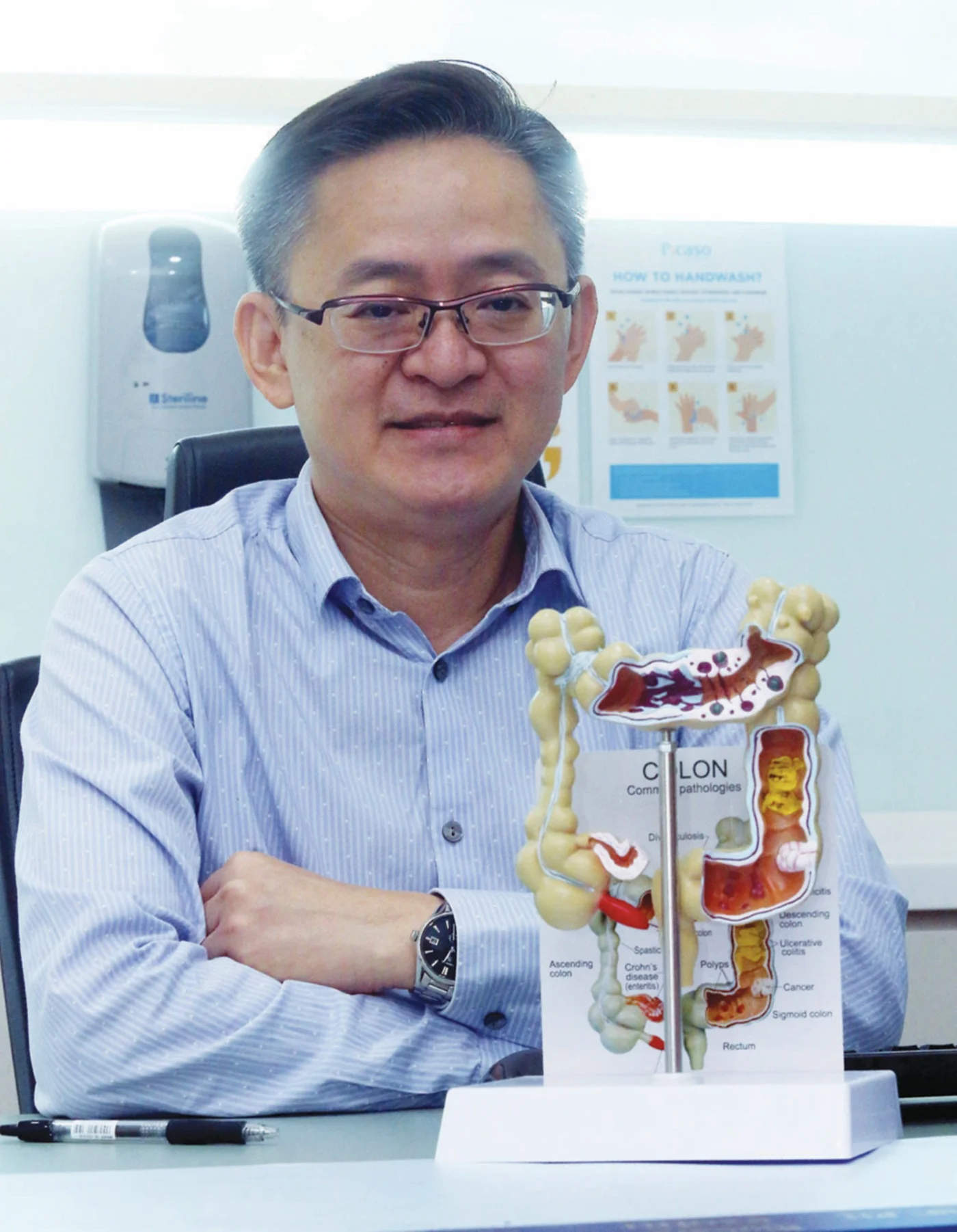
Most cases (over 50 per cent) are detected late, at stages three or four, says Hospital Picaso general and colorectal surgeon Dr Chong Hoong Yin. NSTP PICTURE BY AMIRUDIN SAHIB
SCREEN AND PREVENT
Dr Chong says the easiest way to screen for colorectal cancer is to do a Faecal Occult Blood Test (gFOBT) which screens for the presence of blood in the patient's stools.
If the test comes back positive, patients would have to undergo a colonoscopy for further investigation.
A colonoscopy is the gold standard in screening, explains Dr Chong.
During the procedure (which is painless and done under sedation), if doctors notice polyps, they can immediately remove them as these polyps have the potential to become cancerous.
"In the vast majority of cases, colorectal cancer begins with these pre-cancerous polyps, so being able to remove them means we can prevent the onset of colorectal cancer in patients.
"It's a very early way of preventing the possibility of cancer, but unfortunately, most people won't screen until they have symptoms."
There are also many misconceptions about a colonoscopy, which add further hurdles to early screening. Dr Chong says people assume it's painful or uncomfortable and shy away from doing the procedure when it's a valuable screening and preventive tool for colorectal cancer.
Generally, a colonoscopy is recommended every five to 10 years from 45 years of age, but those with a family history should start screening at least 10 years earlier than the age of diagnosis of the affected family member.
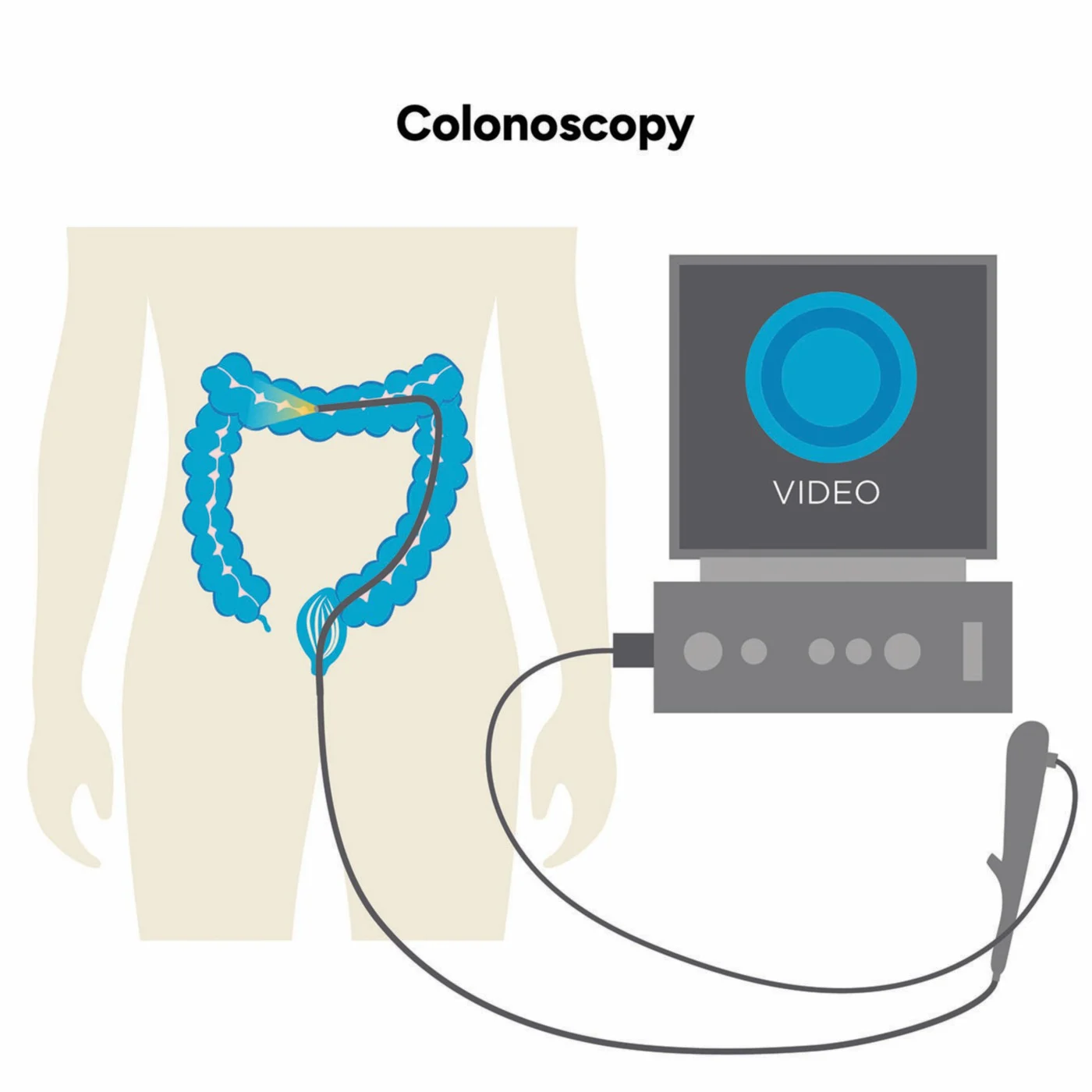
A colonoscopy is a valuable screening and preventive tool for colorectal cancer. PICTURE CREDIT: HOSPITAL PICASO
TREATMENT AND RECOVERY
Treatment would depend on the stage of the cancer and the location of the tumour explains Dr Chong.
These days, a multimodality approach is used with a combination of surgery, chemotherapy and radiotherapy.
Robotic surgery is also an option for patients today, says Dr Chong.
"The advantages include a smaller cut, less pain and less blood loss, which translates into faster recovery and discharge from the hospital."
In colorectal cancer, robotic surgery is especially useful if the tumour is located in the rectum.
The robotic arm provides better dexterity and precision and enhanced visualisation, ensuring tumours located in the rectum can be effectively targeted.
"This is especially important if the tumour is located in the lower rectum, very near the anus. Doctors can target the tumour without damage to surrounding areas."
Dr Chong explains that there are many nerves in that area related to urinary and sexual function, and with the use of robotic surgery, the chances of preserving these nerves are higher.
This is especially important given that colorectal cancer is increasingly striking younger adults, so preserving sexual function is important.
With the use of robotic surgery, doctors can reach tumours in locations that would prove challenging with conventional surgery. At the same time, they can treat these tumours with minimal impact to surrounding tissue.
However, early detection remains the most crucial aspect of managing this disease. Dr Chong says whatever the treatment modality used, early detection means the chances of a cure is high.
Post-surgery, patients would also have to make lifestyle changes such as reducing red and processed meat and cutting back on smoking and alcohol consumption, while keeping weight in check with regular exercise.
Dr Chong says it's equally important to come for follow-ups to monitor for any recurrence of the disease.
Recurrence would depend on the stage of the disease, he explains. If the cancer is at stage one, the chances of recurrence would be about 10 to 20 per cent. At stage two, it's 20 to 30 per cent and stage three at 40 to 50 per cent.
Dr Chong says these facts only reiterate the importance of early screening and early detection to ensure better survival and quality of life.
Source
#HEALTH: What ails the gut? (New Straits Times, 24 March 2026)
Reference
与我们的医生会面

张鸿延医生
结直肠外科顾问医生