
Theatre as a Time Machine: How Complex Cancer Operations Restore Quality of Life
November 11, 2025

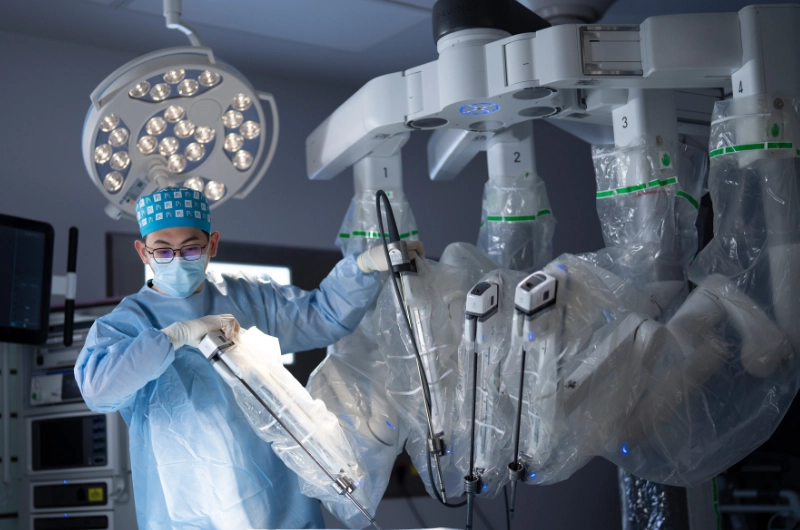
A Tuesday that looked like any other began before sunrise. In a quiet corridor outside an operating theatre, a team checked names, scans and plans for a cancer case that might run past midnight. Nurses warmed fluids and laid out instruments. Anaesthetists prepared lines and monitors.
The lead surgeon took a breath, stepped in, and did not expect to see the sky again until the following day.
Many hours later, the patient woke up in intensive care and asked the first question that mattered to her:
"Can I see my children?"
On paper, what happened will be counted in minutes, codes, and costs. In real life—when the decision is right and the system is ready—a long day in theatre can turn into years of better living.
The Life Multiplier Effect
We call this the Life Multiplier Effect. It is the simple idea that hours spent in an operating theatre can give people back the ordinary hours that make a life feel like life: school runs, breakfasts by the window, a walk after evening rain, one more New Year's dinner.
It is not magic, and it is not guaranteed. It is careful judgement, hard work, and follow-through. The best teams say "yes" only when they believe an operation can return time that is not only longer but kinder—time with comfort, function, and dignity.
The Hidden System Behind Every Operation
The public often pictures surgery as the work of a single pair of hands. In truth, the "time machine" is a system.
It begins before the first incision—with clear scans, team briefings, and a shared plan. It continues during the operation with steady anaesthesia, sharp eyes at the scrub table, and calm adjustments when the unexpected appears.
It relies on nursing and intensive care in the hours after, when quiet vigilance prevents small issues from becoming big ones. It reaches into the ward, the physiotherapy gym, and the clinic where chemotherapy or other treatments are coordinated.
If any link is weak—especially the unglamorous parts such as nurse staffing, ICU beds or rehabilitation—the multiplier shrinks. The theatre may give a patient a chance, but the landing strip must be there for them to arrive safely.
The Pressure of Modern Healthcare
Why talk about this now? Because pressure in modern healthcare often rewards the stopwatch rather than the outcome.
Quick, simple procedures are easier to schedule, predict, and count. Long, complex cancer cases are harder, riskier, and slower to bill. When systems chase speed alone, the operations that can transform a family's future risk being squeezed to the margins.
We rarely say it out loud, but this is the quiet rationing of time.
If we care about real outcomes, we must protect the work that produces them and invest in the parts of care that most people never see.
Choosing the Right Patient, the Right Time
What actually makes a long surgery worth it? It starts with choosing the right patient at the right moment. Not every tumour should be chased with a big operation.
Biology matters. Stage matters. A person’s overall strength and wishes matter most. The bravest decision in medicine is sometimes to say “not now” or “not this way.”
When surgery is offered, it should be because there is a fair chance it will return usable time—to breathe without pain, to climb a flight of stairs, to go back to work or hold a grandchild without fear of breaking.
That is the standard that matters to patients, and it should be the standard that guides us.
The Power of the Team
The value created by a long case is shared. Anaesthesia keeps it safe, nursing keeps it steady, and rehabilitation turns potential into reality.

A night nurse who notices a fever early, a physiotherapist who gets a frightened patient into a chair, a registrar who makes the correct call at 3am—these quiet acts decide whether the hours gained in theatre become months and years at home.
When budgets are tight, these are the very places that are cut first because they are not glamorous. Yet they are the gears that make the time machine turn.
If we are serious about public understanding, we should be serious about public honesty.
A long surgery does not always help. Complications happen. Bodies sometimes refuse to heal the way we hope. Families carry a heavy load in the weeks that follow.
Good care includes the courage to set expectations clearly, the humility to learn from misses, and the compassion to bring palliative care into the conversation early when the kindest path is not another operation.
The life multiplier effect is a lens for seeing where surgery truly gives time back. It is not a licence for heroics.
What Patients and Families Should Know
So, what can readers take from this?
- Don't wait on worrying symptoms. The earlier a problem is found, the simpler and safer the treatment tends to be.
- Ask the questions that matter to your life. How will this operation help me live—and live well? What will the first week feel like? When can I walk, eat, or sleep through the night? What support will I need at home? Honest answers build trust and help families plan.
- Remember that caregivers are human too. A kind word to a tired nurse, patience with a junior doctor, or a home-cooked meal for a caregiver can soften hard days more than you might imagine.
Care is a chain; kindness strengthens every link.

Investing in What Really Matters
For those who plan and fund services, there is a simple rule that belongs on every whiteboard:
"Measure what people feel and fund what actually constraints care."
Counting bed-days is not enough. We should pay attention to pain, sleep, appetite, walking, and the ability to return to school or work.
If nursing numbers, ICU capacity or rehabilitation are the bottlenecks—as they so often are—then that is where investment should go first. A plane cannot land without a runway, and a patient cannot benefit from a long operation without safe, steady care afterwards.
Prevention: The True Time Saver
Prevention and early diagnosis save more lives than any single heroic operation.
Vaccination programmes, screening, prompt assessment of new symptoms, and easier pathways to specialist review reduce the need for long, complex surgery in the first place.
The theatre can be a time machine for those who need it, but the front door of healthcare —education, screening and primary care—decides how many people ever need to walk down that corridor.
The Real Meaning of Time
In the end, this is not a story about operating time. It is a story about time itself—
Time to sit at a favourite kopitiam and taste breakfast.
Time to watch a child in a school play and laugh at a forgotten line.
Time to hold a hand and feel the warmth of being here, still.
If a long day in the operating theatre can buy that kind of time, we should make it possible. We should resource the quiet parts that turn chance into reality. We should be clear about the limits and compassionate about the choices.
A theatre can be a time machine. Keep it well-staffed, well-coordinated and pointed towards what people are really fighting for: the ordinary days that make a life worth living.

返回