
Colorectal Cancer: Understanding Risks, Screening, and Modern Treatment
March 03, 2026
 Colorectal cancer refers to cancer that begins in the colon or rectum, which together make up the large intestine. The colon absorbs water and nutrients from food, while the rectum stores stool before it leaves the body.
Most colorectal cancers start as small growths called polyps, which are usually harmless at first. Over time — often over many years — some polyps can turn into cancer. This slow progression is exactly why colorectal cancer is considered one of the most preventable cancers. If polyps are detected and removed early, cancer can often be avoided entirely.
According to the Malaysia National Cancer Registry (NCR), colorectal cancer is:
What is more concerning is that a large proportion of patients in Malaysia are diagnosed at Stage III or Stage IV, when symptoms become obvious and treatment is more complex. Early-stage colorectal cancer, on the other hand, often causes no symptoms at all.
Who Is at Risk of Colorectal Cancer?
Colorectal cancer can affect anyone, but certain factors increase a person’s risk. Understanding these risks can help individuals take proactive steps toward prevention and early detection.
Symptoms: Often Silent at First
One of the biggest challenges with colorectal cancer is that it often develops quietly. Early stages may not cause any noticeable symptoms. When symptoms do appear, they may include:
- Changes in bowel habits (diarrhoea or constipation)
- Blood in the stool
- Persistent abdominal pain or bloating
- Unexplained weight loss
- Fatigue or anaemia
These symptoms are common and can be caused by many benign conditions, which is why they are sometimes ignored or delayed. However, persistent or unexplained symptoms should always be checked by a doctor.
The Importance of Screening and Early Detection
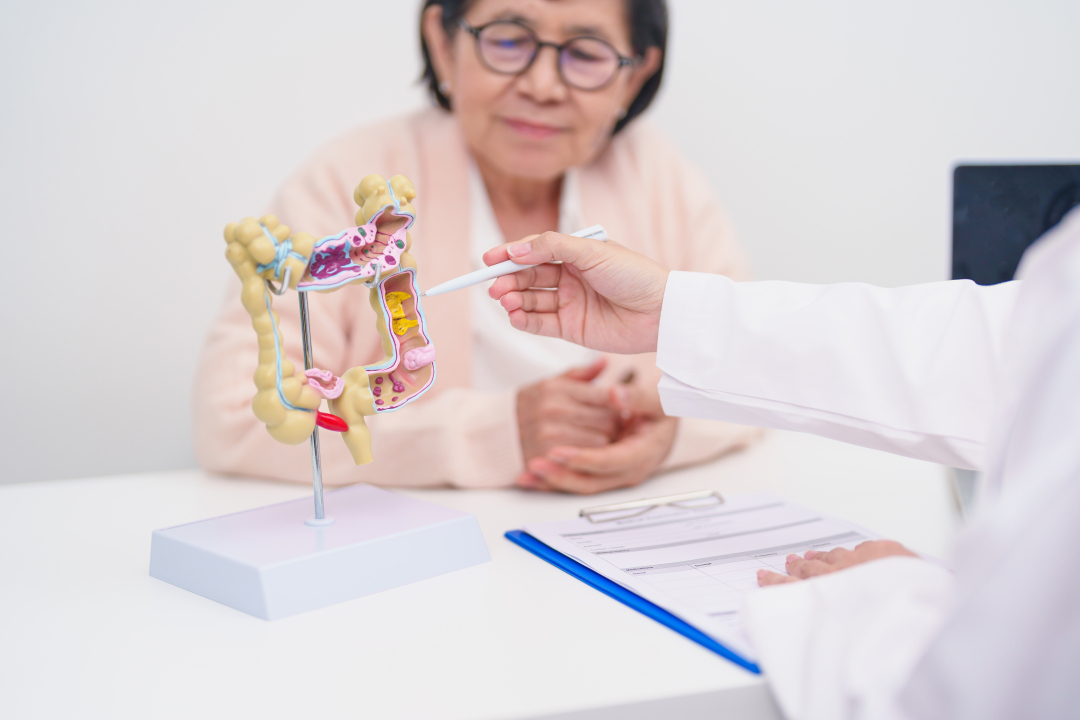
Screening means testing people before symptoms appear, with the goal of detecting disease early or preventing it altogether.
When colorectal cancer is detected early:
- Treatment is usually simpler
- Cure rates are significantly higher
- Patients often avoid major surgery or prolonged chemotherapy
- Quality of life is better
The NCR consistently shows that early-stage colorectal cancer has far better survival rates compared to advanced disease. Yet, screening uptake in Malaysia remains low.
At Hospital Picaso, screening recommendations are tailored to each patient rather than using a one-size-fits-all approach.
Why Many Patients Are Diagnosed Late?
Despite clear benefits, many people delay screening due to:
Education is crucial. Screening is far less difficult than treating advanced cancer, and modern techniques have made procedures safer and more comfortable than ever before.
When Is Surgery Required in Colorectal Cancer?
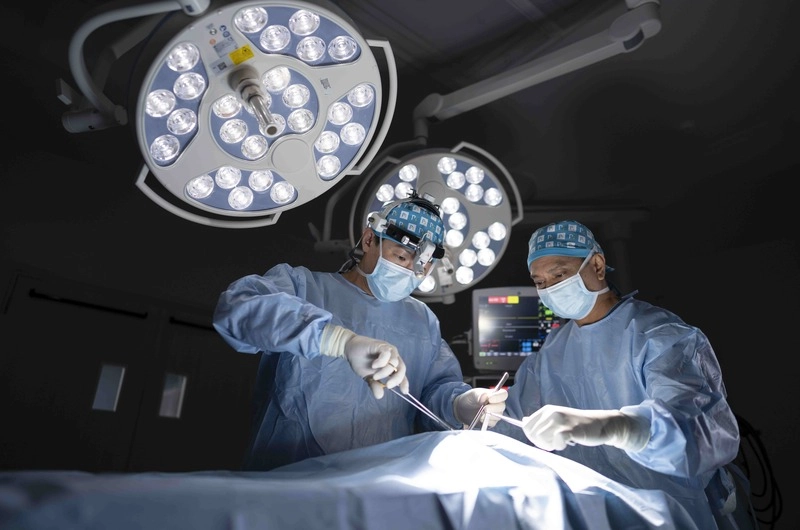
Surgery plays a central role in the management of colorectal cancer and is often the main treatment when the disease is detected early.
Modern Colorectal Cancer Treatment Options
Colorectal cancer treatment is rarely limited to one method. Instead, several treatments may be combined depending on the stage and type of cancer.
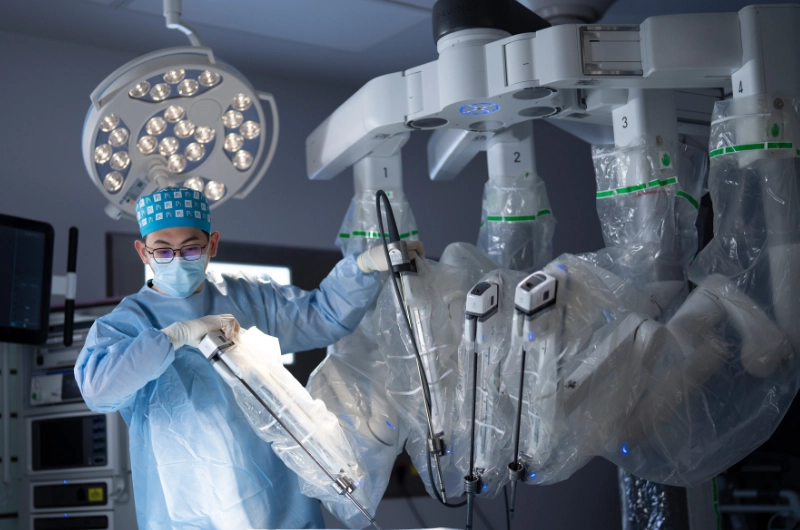
At Hospital Picaso, robotic colorectal surgery is used to enhance surgical accuracy, preserve important nerves, and support quicker recovery when appropriate.
Multidisciplinary Care: A Team Approach at Hospital Picaso
An MDT brings together specialists from different disciplines to discuss and plan the best treatment strategy for each patient. This typically includes:
Rather than working in isolation, the team collaborates to ensure decisions are well-balanced, evidence-based, and personalised. The Multi-disciplinary team (MDT) meets regularly to discuss each patient's case in detail. Together, they:
This approach ensures that patients receive the most appropriate, evidence-based, and compassionate care at every stage.
No two colorectal cancer cases are the same. Treatment may include:
- Surgery
- Chemotherapy
- Radiotherapy
- Targeted or supportive therapies
Some patients require a combination of treatments, while others may need only surgery. At Hospital Picaso, treatment plans are customised based on:
Supportive care — including nutritional guidance, stoma education, and emotional support — is also an essential part of treatment.
Life After Treatment and Ongoing Care

Colorectal cancer care does not end after treatment. Survivorship care is just as important. Regular follow-ups, surveillance colonoscopies, lifestyle guidance, and psychosocial support help patients return to daily life with confidence.
Patients are encouraged to:
Maintain a balanced, fibre-rich diet
•Stay physically active
•Avoid smoking and excessive alcohol
•Attend regular follow-up appointments
•Conclusion
Colorectal cancer is common in Malaysia, but it does not have to be deadly. With awareness, timely screening, and comprehensive multidisciplinary care, many lives can be saved.
At Hospital Picaso, we are committed to walking this journey with our patients. By combining expertise, technology, and patient-centred planning, the hospital ensures that each patient receives comprehensive care that supports both survival and quality of life.
If you are aged 50 and above, have risk factors, or have concerns about your bowel health, speak to your doctor today. Early detection can make all the difference.

返回