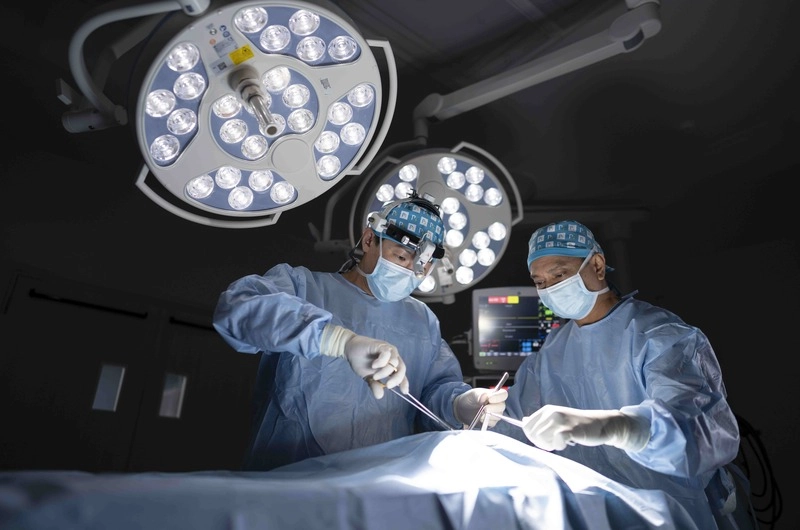

Advances and Benefits in Laparoscopic and Robotic Surgery
April 30, 2026
Modern surgery has undergone a remarkable transformation over the past few decades. What once required large incisions, longer hospital stays, and extended recovery periods can now often be performed through tiny keyhole openings with highly advanced instruments and precision technology. This evolution has given rise to minimally invasive surgery, particularly laparoscopic and robotic-assisted surgery. In today’s era, no patient should undergo open surgery without being considered for minimally invasive surgery, unless contraindicated.
At Hospital Picaso, we are proud to routinely offer state-of-the-art minimally invasive surgical care. Our mission is to combine advanced technology, surgical expertise, and patient-centred care to ensure safe, effective, and comfortable treatment for every patient.
This article provides a clear and patient-friendly overview of laparoscopic and robotic surgery, their benefits, and how they are transforming surgical care today.
Understanding Laparoscopic Surgery: The “Keyhole” Revolution
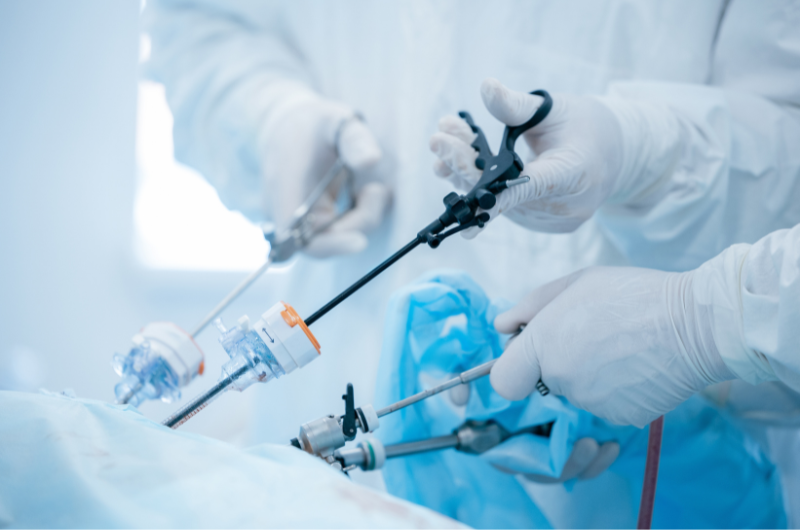
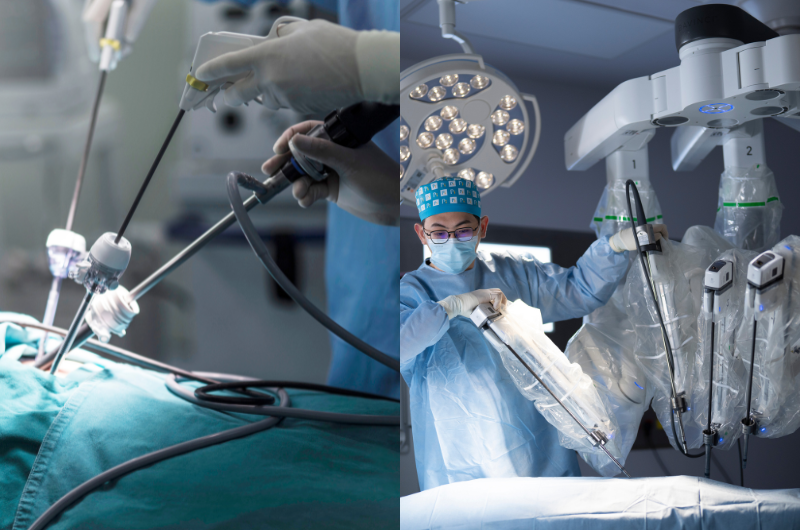
Laparoscopic surgery, often called keyhole surgery or “laser surgery” by laypeople, began gaining popularity in the late 20th century. Instead of making a large incision, surgeons perform operations through several small cuts (usually 0.5–1 cm). A thin camera called a laparoscope is inserted through one of these openings, projecting magnified images onto a high-definition monitor. Special long instruments are inserted through other small ports to perform the surgery.
This approach allows surgeons to operate with precision while minimising trauma to the body.
How It Evolved
Initially used mainly for gallbladder removal, laparoscopic surgery rapidly expanded to treat conditions involving:
- The oesophagus and stomach
- The small and large intestines
- The liver and pancreas
- The appendix
- Hernias
- The kidneys and prostate
- Gynaecological conditions
- The thyroid
- The lungs
Over time, improvements in camera quality, instrument design, and surgical training made laparoscopic surgery safer, more versatile, and widely adopted worldwide.
Robotic Surgery: The Next Generation of Precision
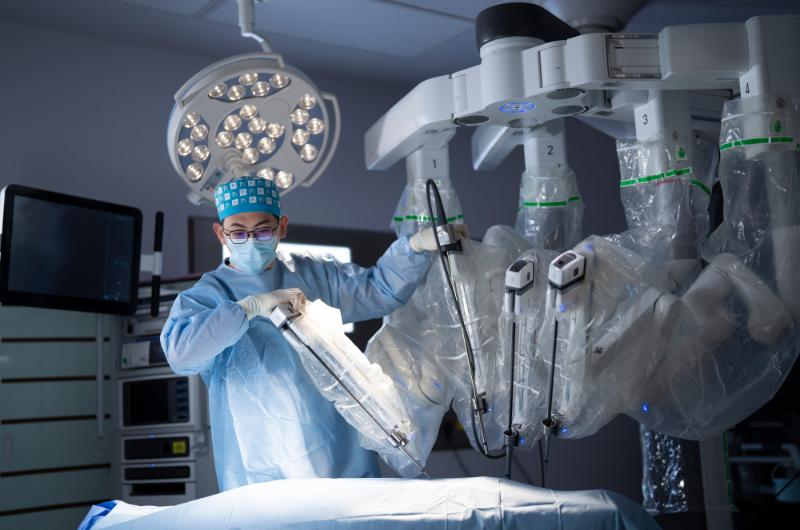
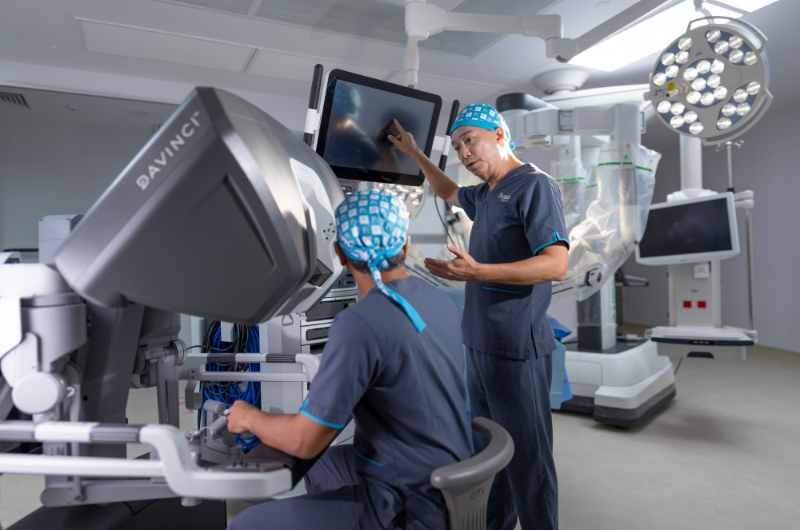
Robotic-assisted surgery builds upon the principles of laparoscopy but enhances them with advanced technology. Contrary to common misconceptions, the robot does not operate on its own. The surgeon remains fully in control, operating from a console that translates hand movements into highly precise micro-movements of robotic instruments inside the patient’s body.
Robotic systems provide:
- Three-dimensional, high-definition vision
- Enhanced magnification
- Wristed instruments with greater range of motion than the human hand
- Improved ergonomics for the surgeon
These features allow for greater precision, especially in complex or delicate procedures.
Key Technological and Procedural Advances
Minimally invasive surgery continues to evolve rapidly. Some of the most important advances include:
Modern laparoscopic systems provide crystal-clear, magnified views of internal structures. Robotic systems further enhance visualisation with immersive 3D imaging, allowing surgeons to distinguish delicate tissues, blood vessels, and nerves more accurately.
New energy platforms help surgeons seal blood vessels safely, reduce bleeding, and minimise tissue damage. This improves surgical efficiency and enhances patient safety.
Flexible and articulating instruments allow access to hard-to-reach areas. Robotic instruments can rotate and bend beyond natural wrist movement, enabling fine suturing and precise dissection.
Standardised surgical checklists, improved anaesthesia techniques, and better patient monitoring have significantly improved outcomes in minimally invasive surgery.
Enhanced Recovery After Surgery (ERAS) protocols combine minimally invasive techniques with optimised pain control, early mobilisation, and tailored nutrition plans to accelerate recovery.
Benefits of Laparoscopic and Robotic Surgery for Patients
One of the most important reasons minimally invasive surgery has become the preferred approach for many conditions is its clear advantages for patients.
Small incisions mean:
Because there is less muscle and tissue disruption, patients typically experience less pain compared to traditional open surgery. This often reduces the need for strong pain medication.
Many minimally invasive procedures allow patients to:
Patients can often return to work and normal routines sooner. Early mobilisation also reduces the risk of complications such as blood clots.
Smaller wounds and shorter hospital stays help reduce the risk of surgical site infections.
Advanced instruments and improved visualisation allow surgeons to operate with greater precision, often resulting in less intraoperative bleeding.
Robotic technology, in particular, allows surgeons to perform complex reconstructive procedures with greater accuracy, potentially improving long-term outcomes.
Precision surgery supports effective cancer clearance with extensive lymph node dissection and durable metabolic improvements.
Conditions Commonly Treated Using Laparoscopic and Robotic Techniques
Minimally invasive surgery can be used to treat a wide range of conditions. These include:
- Gallstones (laparoscopic cholecystectomy)
- Hernias (inguinal, umbilical, incisional)
- Appendicitis
- Gastro-oesophageal reflux disease (GERD) with hiatal hernias
- Colorectal diseases
- Oesophageal, gastric, and colorectal cancers
Advanced laparoscopic and robotic approaches are particularly valuable in:
- Bariatric (weight-loss) surgery
- Gastric cancer surgery
- Oesophageal cancer surgery
Selected liver and pancreatic procedures can now be performed minimally invasively.
Robotic systems are widely used in complex pelvic surgeries due to their precision in confined anatomical spaces, especially in:
- Prostate cancer surgery
- Kidney cancer surgery
- Gynaecological cancer surgery
- Endometriosis surgery
Safety: A Top Priority
While minimally invasive surgery offers many benefits, patient safety remains the highest priority. Not every patient or condition is suitable for laparoscopic or robotic surgery. Careful patient selection, thorough evaluation, and individualised surgical planning are essential.
At Hospital Picaso, we ensure that:
- Every patient undergoes comprehensive preoperative assessment
- Risks and benefits are clearly explained
- Alternative treatment options are always discussed
- Multidisciplinary collaboration guides complex cases
Our surgical team is trained to convert to open surgery if necessary to ensure patient safety.
Hospital Picaso’s Approach to Advanced Minimally Invasive Care
Minimally invasive surgery is not just about technology. It is about delivering patient-centred, evidence-based care.
Our surgeons undergo advanced training in laparoscopic and robotic techniques, continuously updating their skills in line with international standards.
We invest in modern operating theatres equipped with high-definition imaging systems, advanced energy devices, and robotic platforms to ensure the highest level of precision and safety.
Complex cases benefit from collaboration between surgeons, anaesthesiologists, nurses, radiologists, pathologists, and allied health professionals.
We follow enhanced recovery protocols that focus on:
- Optimal pain control
- Early nutrition
- Early mobilisation
- Reduced hospital stay
We believe informed patients make confident decisions. Clear explanations, detailed counselling, and compassionate care are central to our practice.
The Future of Minimally Invasive Surgery
The field continues to evolve with innovations such as:
- Artificial intelligence-assisted imaging
- Improved robotic platforms
- Smaller and more flexible instruments
- Single-incision and scarless surgical techniques
As technology advances, the goal remains the same: to make surgery safer, less invasive, and more effective for patients.
We remain committed to staying at the forefront of surgical innovation, while upholding the highest standards of safety and compassion in patient care.
Conclusion
Laparoscopic and robotic surgery represent major milestones in modern medicine. Through smaller incisions, enhanced precision, and advanced technology, these techniques offer significant benefits including less pain, faster recovery, shorter hospital stays, and excellent surgical outcomes.
However, technology alone does not define excellence. Skilled surgeons, careful patient selection, strong safety protocols, and a compassionate approach to care are equally essential.
By combining advanced minimally invasive techniques with a steadfast commitment to patient safety and personalised care, our approach is centred on delivering surgical treatment that is safe, effective, and tailored to each individual, helping patients return to their lives as quickly and comfortably as possible.
返回