
Endometriosis — The Devil That Steals Life
April 01, 2026
An invisible disease that takes more than just your monthly comfort
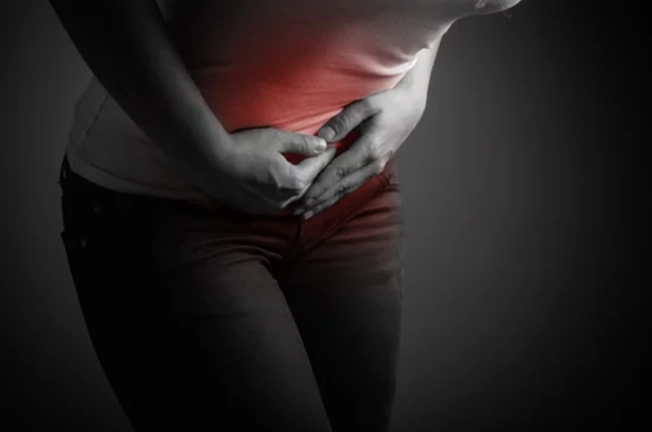
There is a kind of suffering that doesn’t leave bruises. A kind of pain that doesn’t bleed openly, yet bleeds silently inside the body—month after month, year after year.
A kind of illness that robs women of their youth, their confidence, their relationships, their dreams… and sometimes, even their identity.
This is endometriosis. A chronic inflammatory multi-system disease that run havoc and take control of the woman’s best years of life.
Many women call it “period pain.”
Some doctors call it “normal.”
Some workplaces call it “lack of discipline.”
And some families call it “exaggeration.”
But women who live with endometriosis know the truth:
It is a devil that steals life.
Not in one dramatic moment but slowly, steadily, mercilessly through pain, fatigue, fear, and the constant battle of being misunderstood.
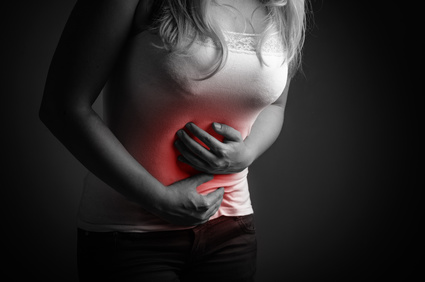
Here are the Devil’s tricks you must know.
1. Convincing You That Your Pain is “Normal”
Endometriosis often begins quietly. According to the studies, the onset of the disease could begin as early as in adolescence years. A girl may have painful periods as one of the earlier manifestations.
She misses school. She vomits. She curls into a ball in bed.
She takes painkillers and tries to “be strong.”
But because society has normalised menstrual suffering, she starts to believe:
- “This is how every woman feels.”
- “Maybe I’m weak.”
- “Maybe I’m just dramatic.”
- “Maybe it’s all in my mind.”
And the devil smiles.
Because the first victory of endometriosis is not the pain.
It is the delay.
Many women take years before they find answers. Some suffer for a decade or more going from doctor to doctor, being treated for “gastritis,” “IBS,” “infection,” or “stress.”
Until one day, the pain becomes too loud to ignore.
2. Stealing Your Days, Not Just Your Periods
Most people think endometriosis pain only happens during menstruation. But endometriosis doesn’t follow the calendar. The disease takes control of your plan.
For many women, it slowly evolves into chronic pain that appears:
- before periods, during periods, after periods
- during ovulation
- after long hours of standing
- during exercise
- after intimacy
- when passing urine
- during bowel movement
- or even randomly, without warning
Some women describe it as:
- stabbing pain like knives
- burning pain deep inside
- twisting pain that makes breathing difficult
- heaviness, pressure, or deep aching
- pain that radiates to the lower back and thighs
And with every flare, endometriosis steals something precious:
your energy.
your focus.
your productivity.
your joy.

3. Destroying Relationships in Silence
Endometriosis doesn’t only attack organs. It attacks marriages, intimacy, friendships, and self-worth.
Many women suffer from pain during sex (dyspareunia).
Not discomfort. Not mild soreness.
But deep pain that makes intimacy feel like an injury.
Imagine loving someone… yet dreading closeness.
Imagine wanting connection… yet fearing pain.
This is where endometriosis becomes cruel.
Women may start to feel:
- guilty
- “broken”
- less feminine
- ashamed
- afraid their partner will leave
- emotionally exhausted from explaining the unexplainable
And many suffer alone because this pain is not visible, and it is not easy to talk about.
4. Wearing the Mask of “Bowel” or “Bladder” Problems
Endometriosis is a master of disguise. From one woman to another, it manifest differently.
Many women are told they have IBS, gastritis, or recurrent infections because their symptoms sound digestive or urinary.
Common bowel symptoms which could be endometriosis include:
- bloating (endo belly)
- constipation
- painful bowel movements
- diarrhoea around menstruation
- pain after meals
- rectal pain or pressure
Bladder symptoms may include:
- pain passing urine
- frequent urge to urinate
- pelvic burning sensations
- UTI-like symptoms with negative urine culture
When endometriosis involves the bowel, bladder, or ureters, it can be more complex and sometimes dangerous, especially if there is silent obstruction of the urinary tract.
This is why proper evaluation is essential.
5. Stealing Fertility… and Hope
One of the most painful emotional burdens of endometriosis is fertility uncertainty. Not every woman with endometriosis will struggle to conceive. Many do get pregnant naturally.
But for some women, endometriosis becomes a thief of time because fertility is time-sensitive. The older you are, the lesser the quality eggs/ovum in the ovaries.
Endometriosis may reduce fertility at your prime age through:
- inflammation affecting egg quality
- adhesions affecting tubes and ovaries
- endometriomas damaging ovarian reserve
- distorted pelvic anatomy
- associated conditions like adenomyosis
The cruel part is that many women do not even know they have endometriosis until they start trying for a baby and nothing happens.
By then, years have been lost.
And in fertility, time is not just time.
Time is hope.
6. Endometriosis Can Behave Like Cancer—But Without the Same Attention
Endometriosis is not cancer. It does not kill but it tortures the whole lifetime.
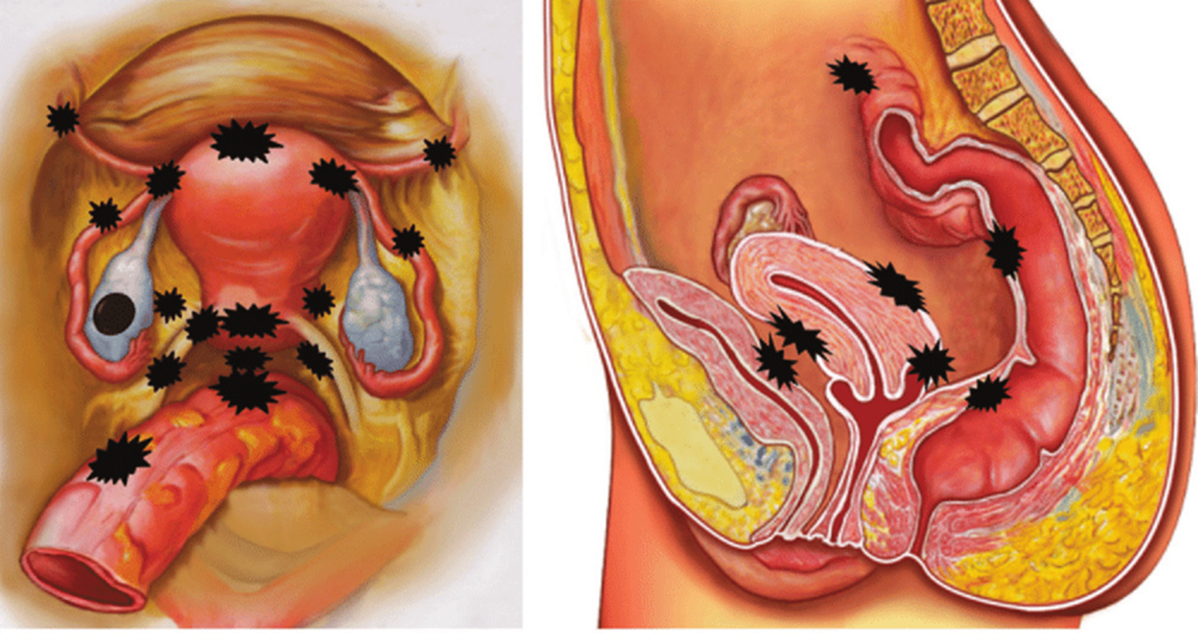
But it can spread, infiltrate, and invade multiple organs in the pelvis. It can involve:
- bowel
- bladder
- ureters
- pelvic nerves
- pelvic sidewall
- deep ligaments
In rare cases, it has been found in distant areas such as the diaphragm and lungs.
And yet, because it is not fatal, it is often treated as trivial.
But here is the reality that many women describe:
“I’m alive… but I’m not living.”
Endometriosis may not kill a woman but it can steal her life piece by piece.
The Best Treatment is Not Always Surgery — It Is the Right Strategy
One of the greatest misconceptions is that endometriosis should always be “cut out” immediately.
Modern management of endometriosis focuses on:
- early symptom recognition
- medical therapy to reduce progression and pain
- individualised plans based on fertility goals
- surgery only when needed and done properly
- long-term recurrence prevention
- multidisciplinary care for complex cases
Surgery is not a quick fix when the disease is deep.
Surgery must be strategic, and ideally performed by a team skilled in advanced minimally invasive techniques.
The goal is not just to remove lesions.
The goal is to restore function, relieve pain, protect organs, and preserve quality of life.
Because the best surgery for endometriosis is often:
The first surgery — done right.
Not repeated surgeries done without proper mapping or planning.
If You Suspect Endometriosis—Please Don’t Wait
If you relate to any of these symptoms, you deserve a proper assessment:
- severe painful periods
- pelvic pain outside menstruation
- painful sex
- painful bowel movements
- urinary symptoms around period
- bloating and fatigue
- infertility concerns
- repeated visits for “infection” with no clear answer
You are not weak.
You are not imagining it.
You are not “just sensitive.”
You may simply be a woman whose body has been fighting a hidden battle.
Endometriosis is a Devil But It Can Be Defeated
Endometriosis is cruel because it is invisible.
Because it steals life while you are still expected to perform, smile, and function.
But in the right hands, with the right support, it can be defeated.
Not always overnight.
Not always perfectly.
But step by step, with knowledge, proper strategy, and compassionate care—women can reclaim their lives.
And that is the purpose of this movement:
Not just to treat endometriosis…
but to restore womanhood, dignity, and freedom.
By: Dr Sharifah Halimah Jaafar (Author of the book “Fighting The Devil Within”)