

Beyond the Myths of Bariatric Surgery in Obesity Management and Finding the Right Weight-Loss Solution
August 04, 2026

"You just need to eat less."
"Stop eating rice."
"Weight-loss surgery is the easy way out."
These are some of the common comments people living with obesity hear.
In Malaysia, where food is deeply rooted in our culture, many individuals spend years trying different diets, exercise programmes, meal replacements or slimming products in the hope of achieving lasting weight loss. While some may initially see results, many eventually regain weight and blame themselves for not being able to maintain it.
As a result, some hesitate to seek medical help, fearing judgement or assuming that seeing a bariatric surgeon means surgery is the only option.
The reality is very different.
Obesity is recognised worldwide as a chronic, progressive medical disease influenced by genetics, hormones, metabolism, lifestyle and environmental factors. It is a treatable condition with a range of evidence-based options available today.
Modern obesity management is not about choosing between dieting and surgery, it is about finding the right treatment approach to support sustainable weight management and improve overall health.
Obesity Is More Than Just a Number on the Scale

Many people view obesity as simply a matter of weight. However, excess body fat can affect multiple systems in the body and increase the risk of conditions such as:
- Type 2 diabetes
- High blood pressure and cholesterol
- Heart disease and stroke
- Fatty liver disease (MASLD)
- Obstructive sleep apnoea
- Joint problems
- Certain cancers
- Hormonal and mental health conditions
These conditions can develop gradually and affect both quality of life and long-term health.
Successful obesity treatment is therefore not measured only by kilograms lost, but also by improvements in metabolic health, mobility, sleep quality and overall wellbeing.
While healthy eating and regular physical activity remain essential, weight management is not simply about willpower. When the body loses weight, it naturally responds by increasing hunger signals and slowing metabolism, making long-term weight maintenance challenging. Genetics, hormones, medications, stress, sleep and underlying health conditions can also influence weight.
This is why obesity often requires a comprehensive, long-term approach rather than short-term dieting alone.
Weight-Loss Treatment Is No Longer Just About Diet or Surgery
Just as there is no single cause of obesity, there is no single treatment that works for everyone.
Effective obesity management begins with understanding each patient's individual health profile—including medical history, BMI, obesity-related conditions, previous weight-loss attempts, lifestyle, dietary habits and personal goals.
Based on this assessment, treatment may involve one or a combination of the following approaches:
-
Lifestyle and Nutritional Management
Healthy lifestyle habits remain the foundation of every weight-loss journey.
Patients are supported in developing sustainable changes through:
- Balanced eating habits
- Regular physical activity
- Improved sleep and stress management
- Behavioural strategies to address factors contributing to weight gain
Working closely with dietitians and healthcare professionals helps patients develop realistic long-term habits rather than relying on restrictive diets or short-term solutions.
For some individuals, lifestyle modification alone may be sufficient. However, others may require additional treatment options to overcome the complex biological factors associated with obesity.

-
Medical Weight-Loss Therapy
For suitable patients, weight-loss medications may be considered as part of a comprehensive obesity management plan.
These medications work by helping regulate appetite, improve feelings of fullness and support healthier eating behaviours. They are prescribed based on each patient's medical condition and require regular monitoring to ensure safety and effectiveness.
-
Minimally Invasive Endoscopic Weight-Loss Procedures
Advances in obesity treatment have introduced minimally invasive options for patients who may not require surgery or are looking for alternatives with shorter recovery periods.
Intragastric Balloon (IGB)
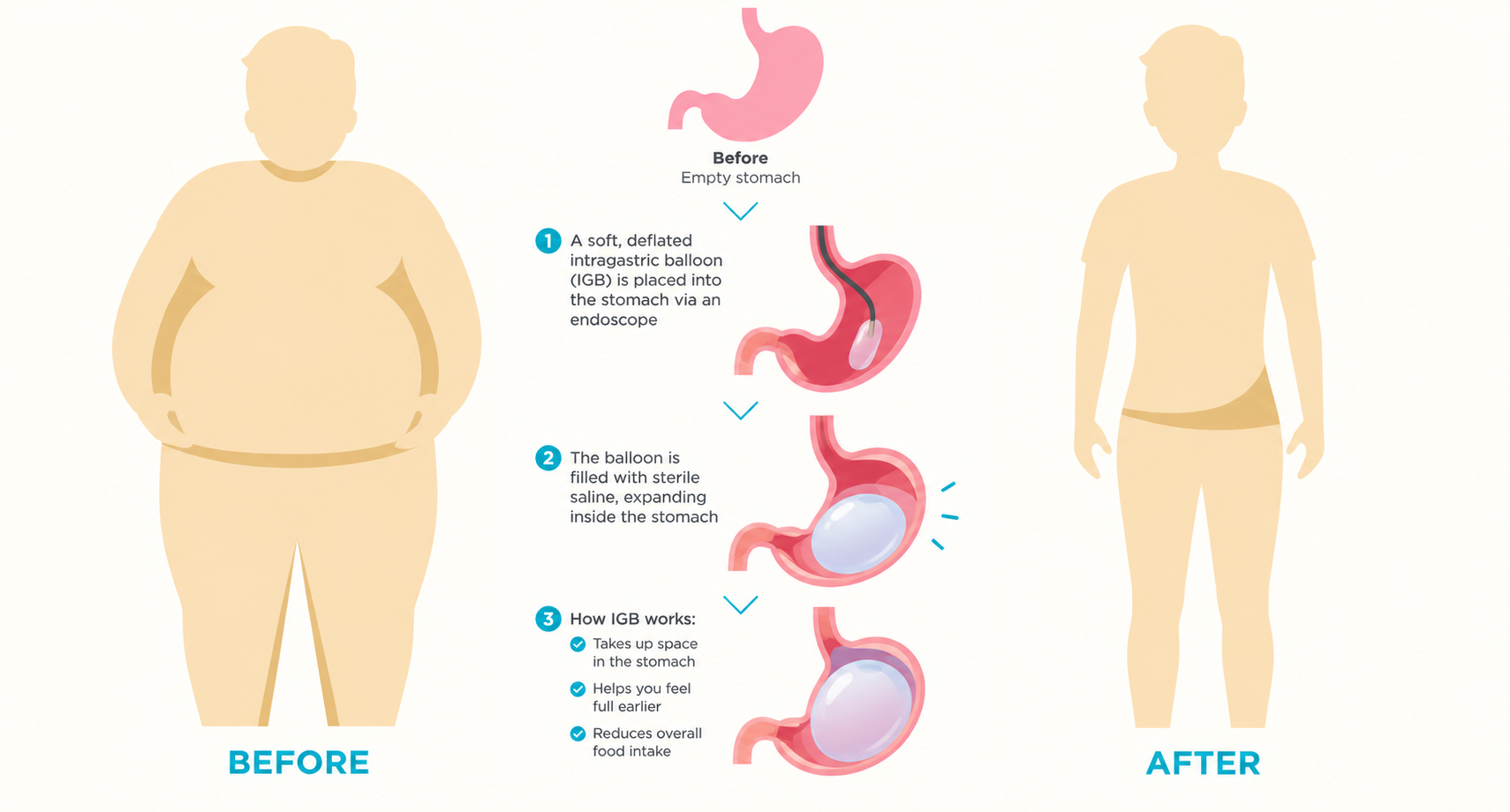
The intragastric balloon is a temporary, non-surgical treatment performed using an endoscope.
A soft silicone balloon is placed inside the stomach through the mouth and filled with saline. By occupying space within the stomach, it helps patients feel full sooner, reduce portion sizes and develop healthier eating habits.
The balloon is usually removed after several months and works best when combined with dietary guidance, lifestyle modification and regular follow-up.
It may be suitable for patients seeking moderate weight loss or those who require weight reduction before another planned treatment.
Endoscopic Sleeve Gastroplasty (ESG)
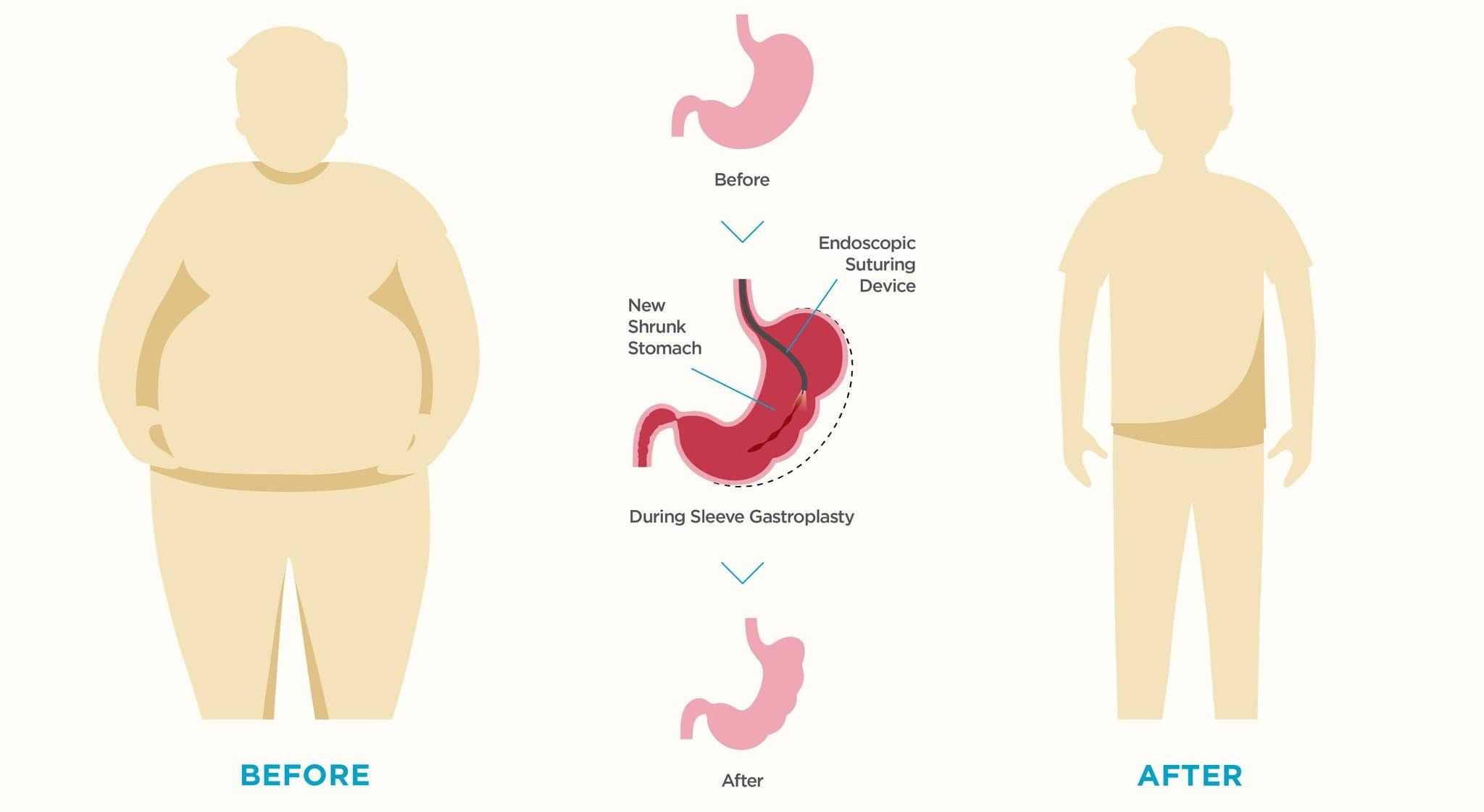
Endoscopic Sleeve Gastroplasty (ESG) is an advanced, incisionless procedure performed using a specialised endoscope passed through the mouth.
During ESG, sutures are placed inside the stomach to reduce its size and volume, helping patients feel full with smaller meals while reducing overall calorie intake.
As it does not involve external incisions, ESG is associated with less discomfort, a shorter recovery period and a quicker return to daily activities compared with traditional surgery.
However, suitability depends on factors such as BMI, existing health conditions and individual weight-loss goals.
-
Advanced Bariatric Surgery
For patients with moderate to severe obesity, particularly those with obesity-related health conditions, bariatric surgery may provide significant and long-term health benefits.
Modern bariatric surgery is not simply about reducing stomach size. These procedures also influence hormones involved in hunger, fullness and metabolism, helping patients achieve sustainable weight loss while improving conditions such as Type 2 diabetes, hypertension and obstructive sleep apnoea.
At Hospital Picaso, patients have access to advanced minimally invasive surgical approaches, including laparoscopic and robotic-assisted bariatric procedures. These techniques allow for smaller incisions, reduced postoperative discomfort and faster recovery compared with conventional open surgery.
Available surgical options include:
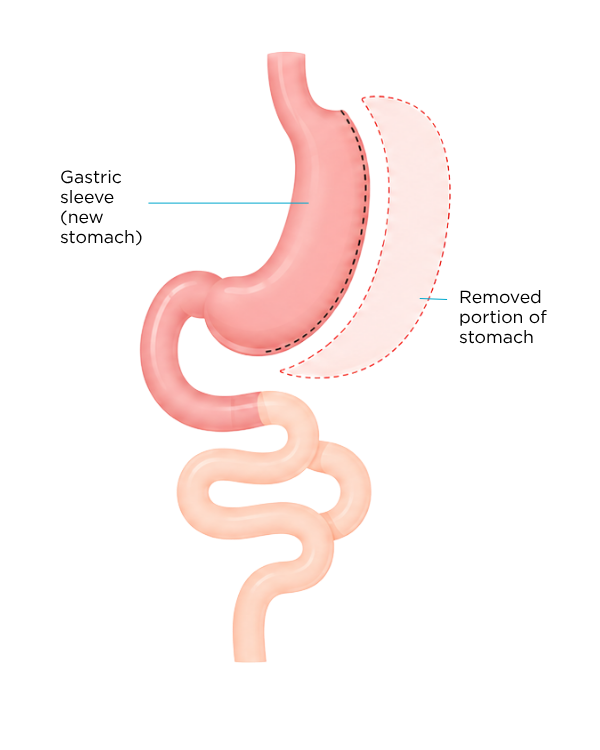
Sleeve Gastrectomy
Sleeve gastrectomy is one of the most commonly performed bariatric procedures worldwide. Approximately 75–80% of the stomach is removed, creating a smaller sleeve-shaped stomach. Beyond limiting food intake, the procedure also reduces the production of ghrelin, a hormone associated with hunger.
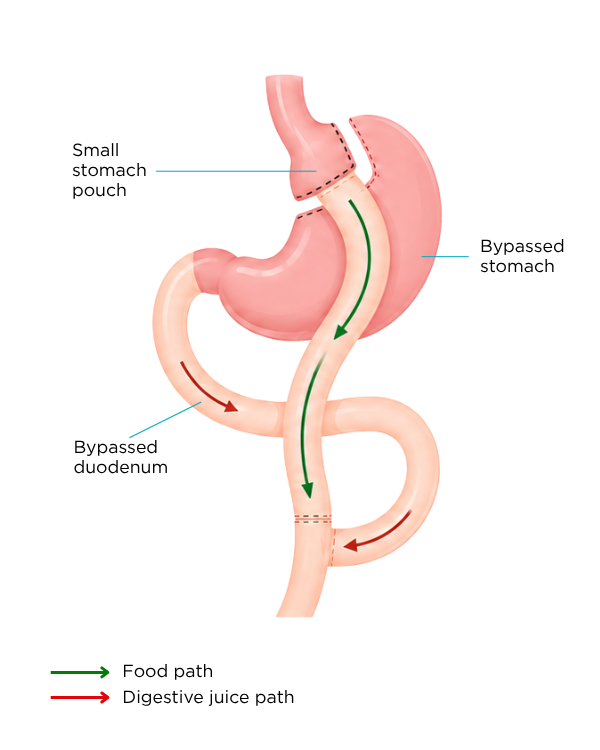
Roux-en-Y Gastric Bypass
Gastric bypass involves creating a small stomach pouch and connecting it to the small intestine, reducing food intake while influencing metabolic pathways. It is particularly effective for patients with obesity-related metabolic conditions, including Type 2 diabetes.
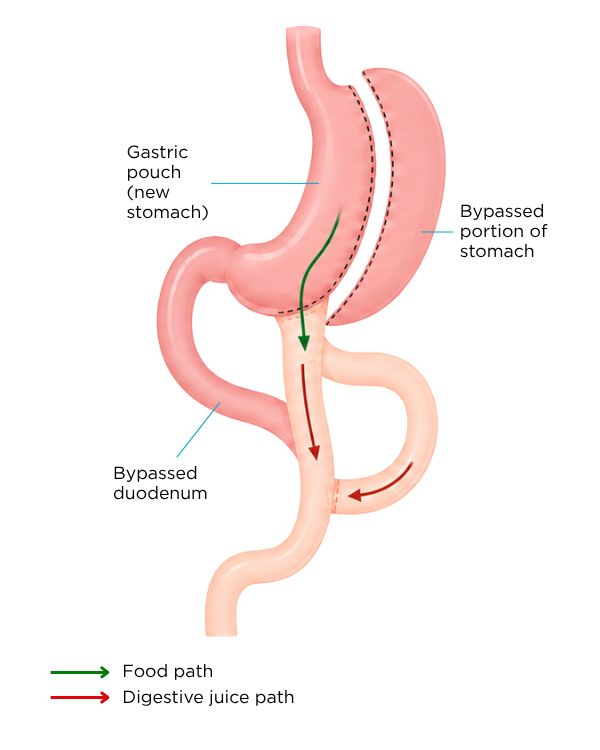
One-Anastomosis Gastric Bypass (OAGB)
OAGB is a variation of gastric bypass involving a single connection between the stomach and small intestine. For appropriately selected patients, it provides effective long-term weight loss and metabolic benefits.
There is no single "best" procedure for everyone. The most suitable approach depends on each patient's BMI, medical conditions, lifestyle factors and long-term health goals.
A thorough assessment by an experienced bariatric team ensures that patients receive the treatment option most appropriate for their individual needs.
When Is Bariatric Surgery Recommended?
Despite advances in obesity treatment, bariatric surgery continues to be misunderstood.
Many people assume surgery is the easy way out or a sign that someone has given up. In reality, bariatric surgery is an evidence-based medical treatment for carefully selected patients with moderate to severe obesity.
Surgery is generally considered when other evidence-based approaches, including lifestyle intervention, nutritional therapy and medical management, have not achieved sustainable weight loss.
Rather than being a last resort, bariatric surgery is recognised as one of the most effective long-term treatments for severe obesity.
Debunking Common Myths About Bariatric Surgery
Myth 1: Bariatric surgery is the easy way out.
Bariatric surgery does not replace healthy habits.
Patients must commit to lifelong dietary changes, nutritional guidance, regular physical activity and medical follow-up. Surgery is a powerful tool, but lasting results depend on long-term lifestyle changes.
Myth 2: Bariatric surgery is dangerous.
Like any operation, bariatric surgery carries risks. However, advances in minimally invasive laparoscopic and robotic-assisted techniques have improved surgical safety while reducing postoperative discomfort and recovery time.
When performed by experienced bariatric surgeons on appropriately selected patients, bariatric surgery has an excellent safety profile.
Myth 3: I'll gain all the weight back.
Long-term success depends on maintaining healthy habits and regular follow-up.
While some weight regain may occur over time, patients who continue with nutritional guidance, exercise and medical support can maintain significant long-term health benefits.
Myth 4: Bariatric surgery is only about appearance.
The goal of obesity treatment is not cosmetic.
It is about reducing the risk of serious chronic diseases, improving mobility, increasing energy levels and helping patients achieve better long-term health.
Choosing the Right Obesity Specialist Matters
With more weight-loss treatments available today, finding the right medical team is just as important as choosing the right treatment.
A qualified bariatric and obesity specialist looks beyond the number on the scale by:
- Identifying the underlying causes of weight gain
- Assessing obesity-related health conditions and overall health risks
- Explaining the full range of treatment options, from lifestyle interventions and medical therapy to endoscopic procedures and bariatric surgery
- Recommending a suitable treatment approach based on each patient's individual needs

At Hospital Picaso, patients benefit from a multidisciplinary approach, where experts work together throughout their weight-management journey. This includes collaboration between:
- Bariatric and gastrointestinal surgeons
- Advanced therapeutic endoscopy specialists
- Physicians and endocrinologists
- Dietitians
I work alongside fellow specialist Dr Yeap Chee Loong, Consultant General, Upper Gastrointestinal & Obesity Surgeon, to provide comprehensive obesity treatment options, ranging from Intragastric Balloon (IGB) and Endoscopic Sleeve Gastroplasty (ESG) to advanced laparoscopic and robotic-assisted bariatric surgery.
Together with our multidisciplinary team, we ensure that patients receive coordinated care, from initial assessment and treatment selection to long-term follow-up.
Conclusion
The first step towards better health is not deciding on surgery, it is understanding your condition and seeking the right medical advice.
Whether the most suitable approach is lifestyle modification, medical therapy, an endoscopic procedure or bariatric surgery, early assessment by an experienced obesity specialist can help patients make informed decisions towards achieving sustainable weight management.
返回