
Do You Have Dense Breasts? Here’s What You Should Know About Your Mammogram
October 27, 2026

When it comes to breast health, many women focus on whether they can feel a lump or notice a change in their breasts. However, another factor can affect how breast cancer is detected during screening: breast density.
Some women may have dense breasts without realising it, while others may only discover this after a mammogram.
Does having dense breasts mean a higher risk of breast cancer? Can a mammogram still detect cancer? And would additional scans be necessary?
As breast radiologists, we believe understanding breast density can help women make more informed decisions about their breast health. This Pink October, we explain what breast density means, why it matters and what you should know about your screening options.
Understanding Breast Density
Breasts are made up of fatty tissue, glandular tissue that produces milk and fibrous tissue that provides support. Breast density refers to how much glandular and fibrous tissue there is compared with fatty tissue.

Breast density can be assessed through imaging, rather than by how large or firm the breasts feel. It can also change over time, often becoming less dense with age.
On a mammogram, breast density is classified into four categories:
- Almost entirely fatty: The breasts contain mostly fatty tissue.
- Scattered areas of fibroglandular density: There are some areas of dense tissue.
- Heterogeneously dense: There are many areas of breast tissue.
- Extremely dense: The breasts are almost completely composed of breast tissue.
Categories C (heterogeneously dense) and D (extremely dense) are generally considered dense breast tissue.
Having dense breasts is common and is not an illness. However, it is an important factor to consider when assessing breast cancer risk and planning appropriate screening.
How Breast Density Affects Mammogram Results and Breast Cancer Risk
Breast density matters for two main reasons.
It can make some cancers harder to detect.
On a mammogram, fatty tissue appears darker, while dense breast tissue and many breast cancers appear white. This can make some cancers harder to spot, much like trying to find a white object against a white background.
Mammography remains an important screening tool for women, even in those with dense breasts, although its ability to detect certain cancers may be reduced with greater breast density.
It is associated with a higher risk of breast cancer.
Women with dense breasts have a higher risk of developing breast cancer than women with less dense breast tissue. In general, the risk is greater for women with extremely dense breasts.
However, breast density is only one part of the overall picture. Other factors include:

- Age

- Personal and family history of breast cancer
- Inherited genetic changes associated with breast cancer

- Certain previous breast conditions
Understanding these factors together helps your doctor assess your risk and advise on suitable screening options.
Does Having Dense Breasts Mean You Are More Likely to Develop Breast Cancer?
Having dense breasts does not mean you have breast cancer, nor does it mean you will necessarily develop it. Many women with dense breasts will never develop breast cancer, while women with less dense breasts can still develop the disease.
If your mammogram report states that you have dense breasts, there is no need to panic. Instead, consider it an opportunity to discuss your individual risk with your doctor.
Your screening recommendations should take into account your overall risk, rather than breast density alone.
Do You Need Additional Breast Imaging if You Have Dense Breasts?
Not every woman with dense breasts needs additional imaging. There is no single recommendation that applies to everyone, so the decision should take into account your breast density, overall breast cancer risk, medical history and mammogram findings. Your doctor can help determine which imaging options, if any, may be appropriate for you.
Depending on your individual assessment, your doctor may recommend one or more of the following imaging options:

- 3D mammography (digital breast tomosynthesis)
Available at Hospital Picaso Breast Centre, this technique captures images of the breast from multiple angles, allowing radiologists to examine breast tissue in thin slices. It can help detect some cancers that may be harder to see on conventional 2D mammograms and may be particularly helpful for women with dense breasts.
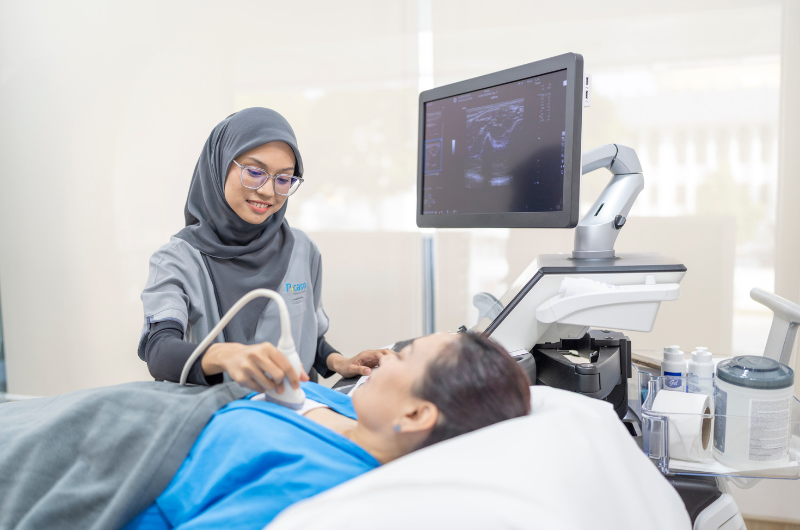
- Breast ultrasound
Uses sound waves to examine breast tissue and may help identify some abnormalities that are not clearly visible on a mammogram.
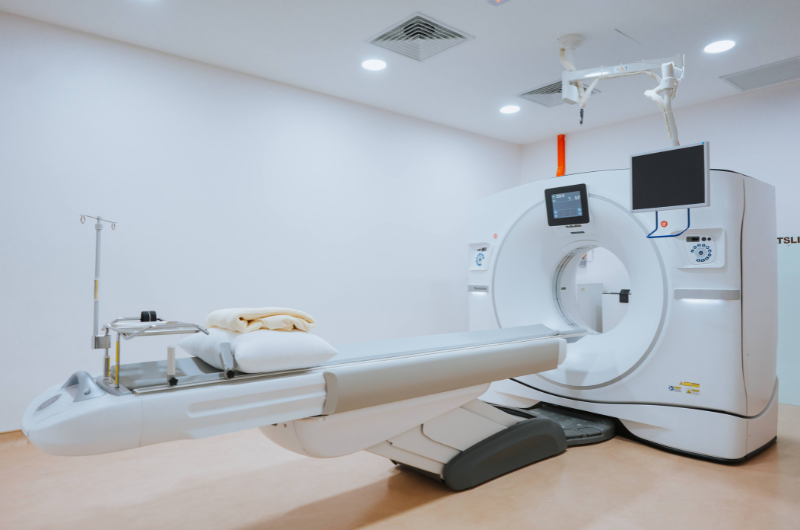
- Breast MRI
Produces detailed breast images and is less affected by breast density. It may be recommended for women at higher risk of breast cancer.
Additional imaging may help detect certain cancers that are difficult to see on a mammogram. However, these tests can also identify findings that turn out to be non-cancerous, sometimes leading to further investigations or a biopsy. This is why the decision to undergo additional imaging should be based on your individual risk and clinical assessment.
At Hospital Picaso Breast Centre, the necessary breast imaging is generally coordinated to be completed during the same visit where appropriate. This allows the radiologist to assess the findings and determine whether further investigation is needed, rather than routinely asking patients to return for separate imaging appointments.
Our goal is to provide the right imaging for each woman, based on her individual needs, without unnecessary tests or delays.
What Does a Normal Mammogram Result Mean if You Have Dense Breasts?
A normal mammogram result is reassuring, but no screening test can detect every breast cancer. In women with dense breasts, some cancers may be harder to identify because they can blend in with the surrounding tissue.
This is why it remains important to understand your breast density and discuss your screening needs with your doctor.
You should also pay attention to changes in your breasts between screening appointments, including:

- A new lump or thickening

- Changes in breast shape or size
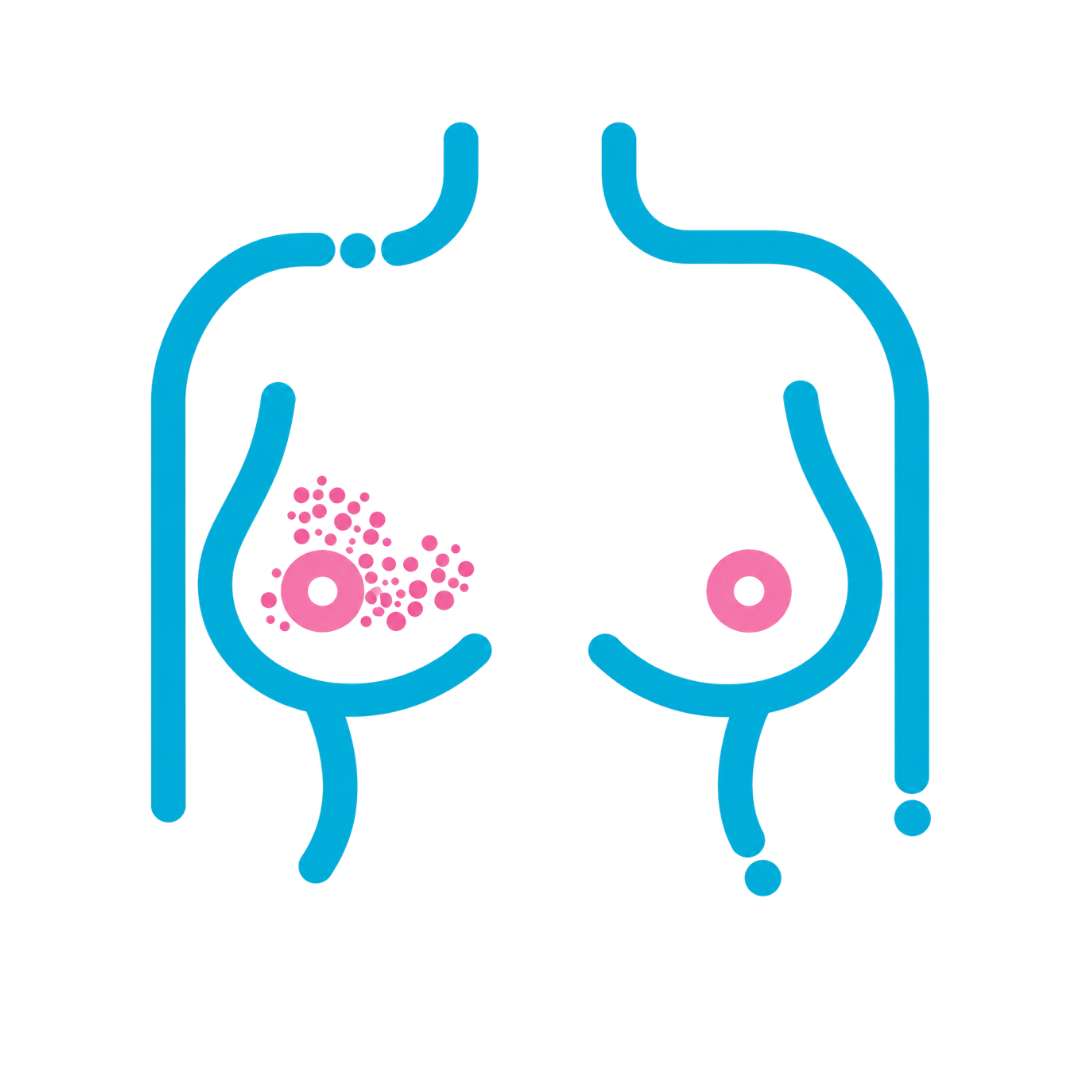
- Skin dimpling or unusual skin changes

- New nipple inversion

- Unusual nipple discharge
If you notice any new or persistent changes, seek medical assessment even if your last mammogram was normal. Do not wait until your next scheduled screening appointment.
It is also important to remember that a finding requiring further assessment does not automatically mean cancer. Additional investigations help clarify what the finding represents.
Understanding Your Breast Density and Screening Options
Knowing your breast density can help you better understand your breast health. If you have dense breasts, speak to your doctor about how it affects your breast cancer risk, whether your current screening schedule is suitable and if additional imaging may be beneficial.
If you haven’t had a breast screening yet, your doctor can advise when to start and how often to screen based on your age and individual risk factors.
At Hospital Picaso Breast Centre, our multidisciplinary team brings together specialist expertise and advanced imaging technology to guide you from screening and diagnosis through treatment and recovery.
This Pink October, take the first step towards better breast health. If you or someone you love has concerns or needs a screening, visit our Breast Centre to find out what’s right for you. Our team is here to answer your questions and help you take the next step with confidence.