
Dato’ Dr Luqman Mazlan: How Hospital Picaso is redefining surgical excellence through robotics
By Tatler Asia
December 18, 2025
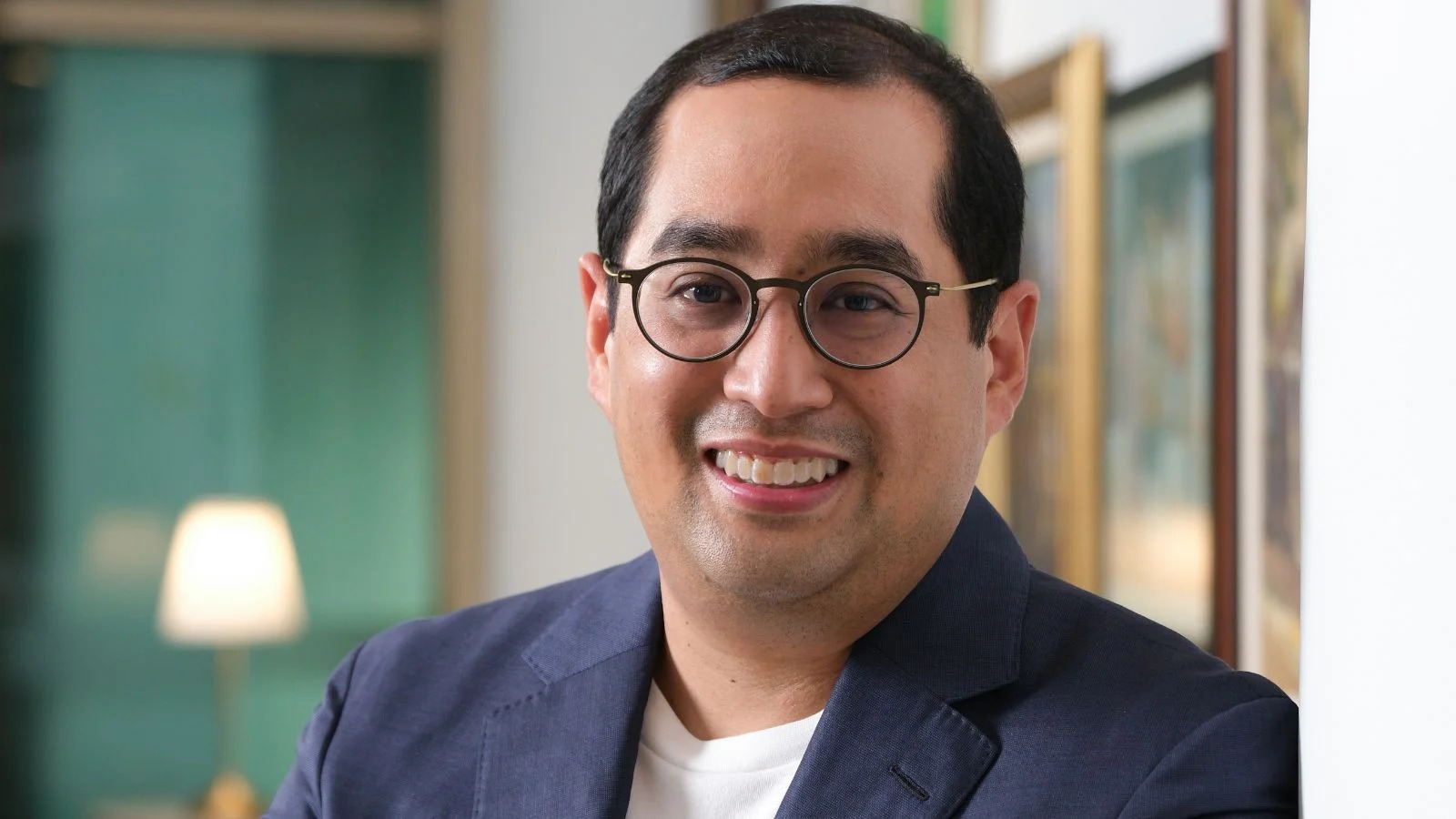
COVER Dato’ Dr Luqman Mazlan, medical director of Hospital Picaso.
Dato’ Dr Luqman Mazlan, a colorectal surgeon at Hospital Picaso, plays an integral role in the surgical team while championing robotic innovation to elevate patient outcomes
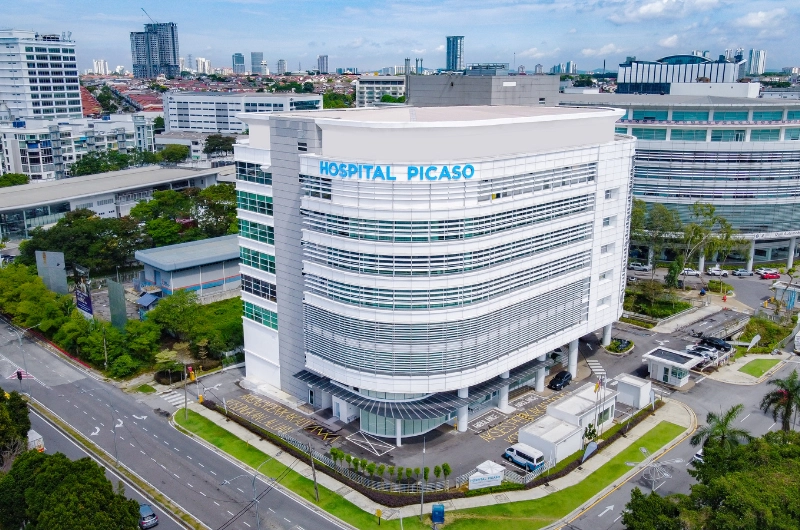
Malaysia’s healthcare ecosystem is shifting in meaningful ways, its evolution marked by the debut of progressive medical facilities such as the newly opened Hospital Picaso. Serving as medical director is Dato’ Dr Luqman Mazlan, a colorectal surgeon with over a decade of specialised experience. He has dedicated his career to refining surgical practice and strengthening standards of care throughout Malaysia and beyond.
A former president of the Malaysian Society of Colorectal Surgeons (MSCRS) and now president of the Asia Pacific Federation of Coloproctology (APFCP), he continues to play a defining role in the region’s medical advancement. His leadership in robotic surgery encapsulates a philosophy of healthcare guided by purpose, precision and collective progress. On his perspective across borders, he explains, “When it comes to treating colorectal diseases, especially cancer, there is such a wide discrepancy in the level of care across advanced countries and less developed nations. The availability of surgeons and the technical skills required to treat colorectal cancer effectively remains lacking in many places. That’s where we play a role to try to reduce the discrepancy as much as we can, despite limitations.”
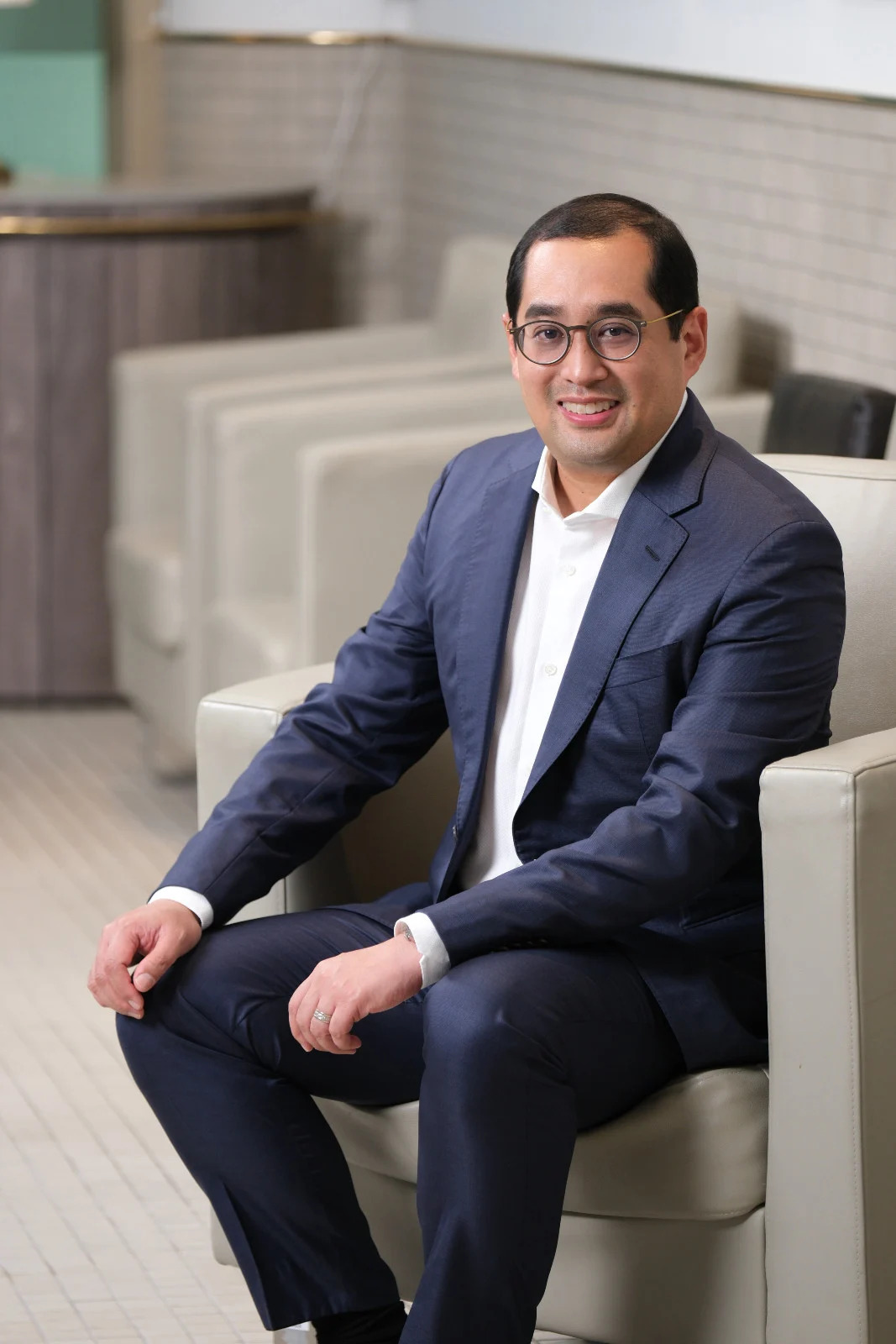
ABOVE Dato’ Dr Luqman Mazlan, a colorectal surgeon at Hospital Picaso, plays an integral role in the surgical team while championing robotic innovation to elevate patient outcomes.
Hospital Picaso offers a comprehensive suite of advanced surgical technologies, underscoring its vision to establish itself as a Centre of Excellence for Advanced Surgery and Integrated Oncology Treatment. These include KOELIS, a precision-guided robotic system for prostate procedures alongside the Da Vinci Xi robotic surgical systems, which support minimally invasive operations. Meanwhile, the NanoKnife System, a cutting-edge non-thermal ablation technology is used for tumour treatment.
Since Hospital Picaso opened its doors in June 2024, Luqman has led its surgical vision with robotic surgery central to his practice. While the technology has existed globally for around 20 years, its adoption in Malaysia has been more recent. “In colorectal procedures, robotic surgery has helped a lot because of the invasive nature and the technical difficulty of the surgery,” he says. Traditional open surgery on the abdomen and pelvis involves large incisions, prolonged recovery and at times incomplete tumour removal. Robotic surgery enables “cleaner margins and better outcomes in terms of recovery, with less nerve damage that would have impaired sexual and urine functions.” Where patients once required two weeks of post-surgical hospitalisation, many now go home after four or five days with a lower risk of cancer recurrence. “It’s still major surgery, but not as bad as before and the risk of this particular cancer recurring is lessened,” Luqman says.
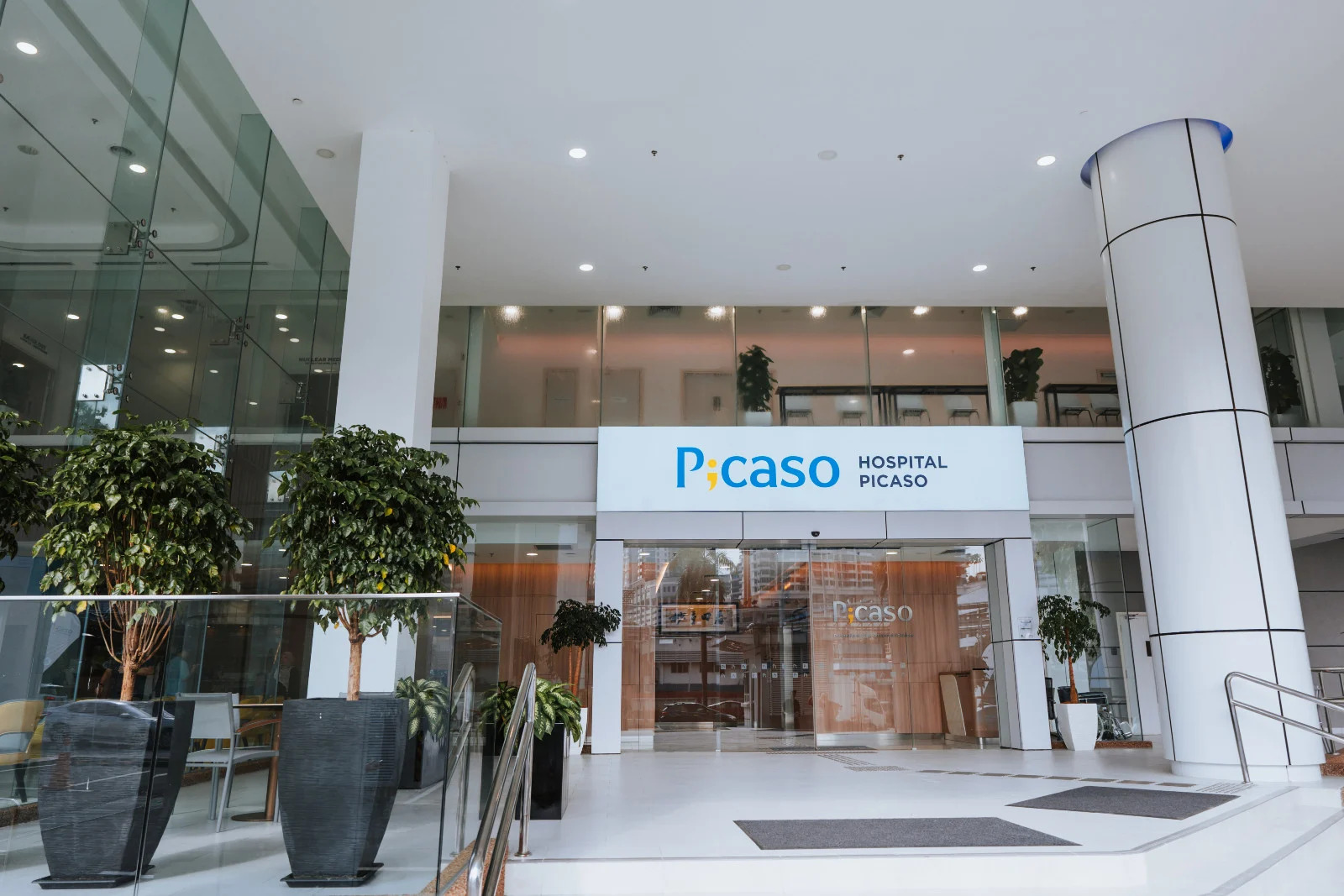
ABOVE Precision, technology, and care come together in every procedure.
Yet Luqman emphasises that the robot does not perform the surgery independently. “It is not the robot who does the work. It is the surgeon who controls it. It is just that it helps you stay in control to a magnified level of accuracy, surpassing the physical limitations of the human hands.”
Of the 100 or so colorectal surgeons in Malaysia, fewer than 10 practise robotic surgery, and as Hospital Picaso hosts two of the country’s more than twenty robotic platforms, Luqman aims to pioneer local training. “Currently in Malaysia, there is nobody local who is training people to do colorectal robotic surgery. I would like to be the first, but to do so requires treating a certain number of patients. Once we fulfil that criteria, we can start teaching other surgeons.” His goal is to ensure that expertise, not merely equipment, drives progress.
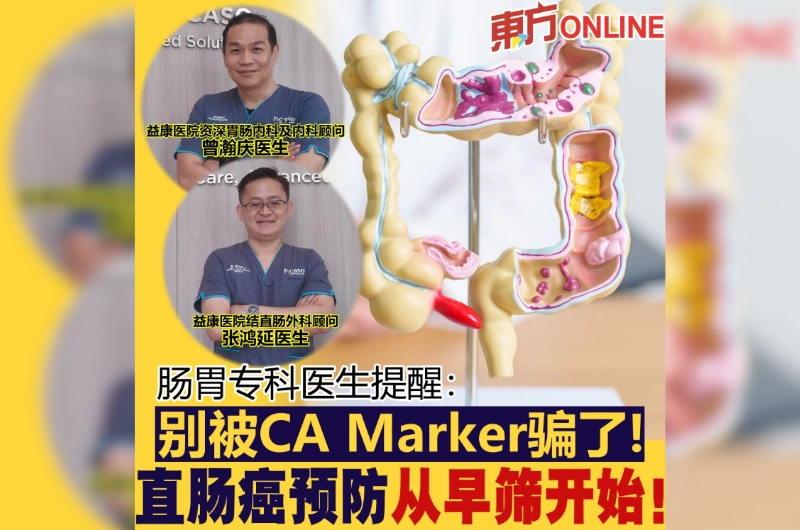
Advancing with purpose also extends beyond the operating theatre. Colorectal cancer remains a major health concern, yet awareness and screening are limited although MSCRS has recognised the importance of early screening and awareness. “In Malaysia, we do not have population-based screening. So doctors have to step in to remind patients over 45 to get screened” he says. Through public talks, cancer runs and collaboration with survivor groups to distribute free stool test kits, Luqman has sought to bridge the gap alongside fellow members of MSCRS.
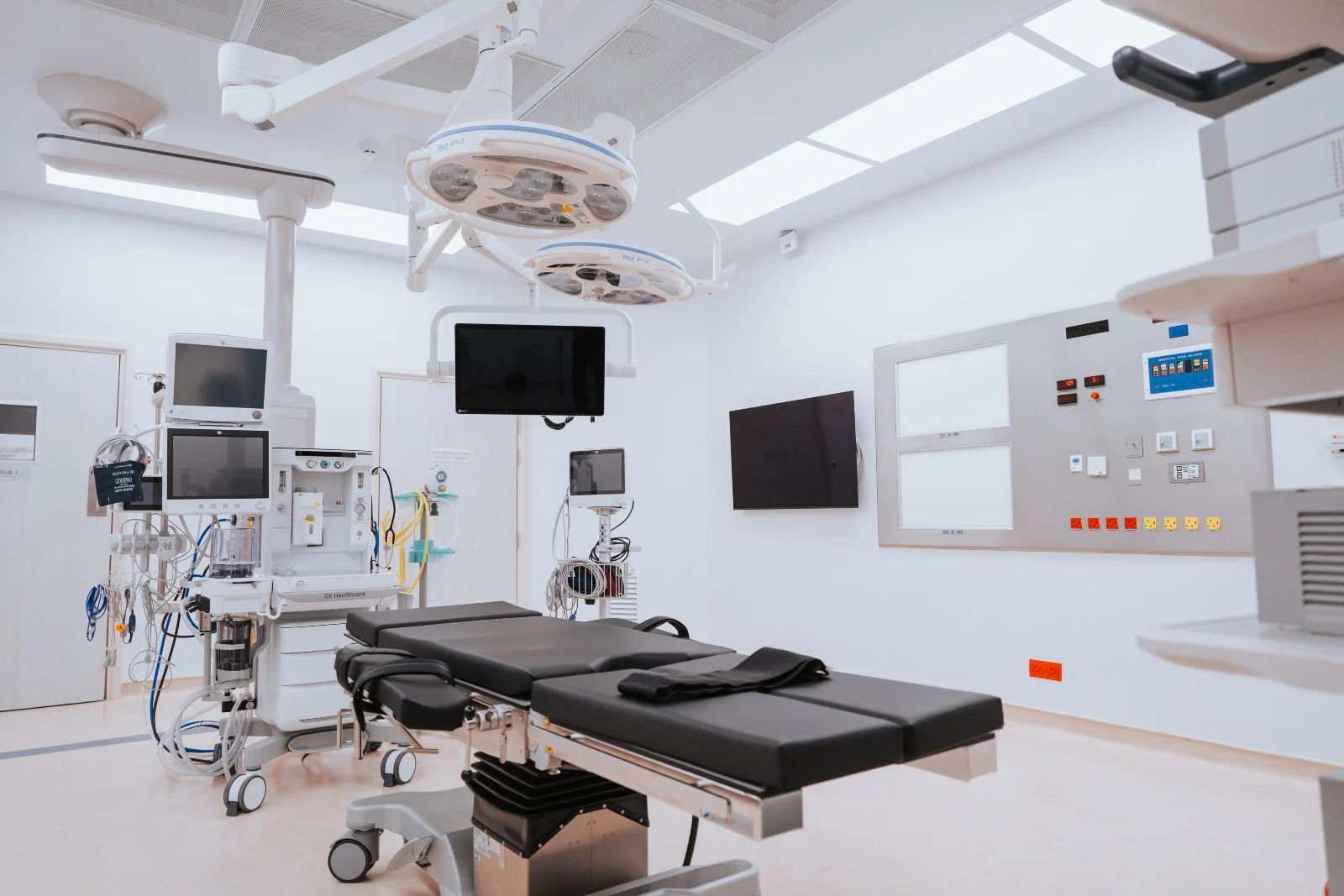
ABOVE Innovative surgical training programmes ensure expertise drives progress, not just equipment.
“Even though it is the number one killer-cancer in men and number two in women, nobody likes to talk about their bowel habits,” Luqman observes, emphasising the need for both public education and physician advocacy. “Because people are shy and there isn’t a mandatory screening programme, two-thirds of colorectal cancer patients come in with a stage three or four diagnosis,” he laments.
“I hope that with my qualifications and knowledge, I'll be successful not only in pushing awareness of colorectal cancer for patients and other healthcare professionals, but also to increase the technical acumen and also the skill of other fellow surgeons in treating this disease for better outcomes for everyone,” the APFCP president says.
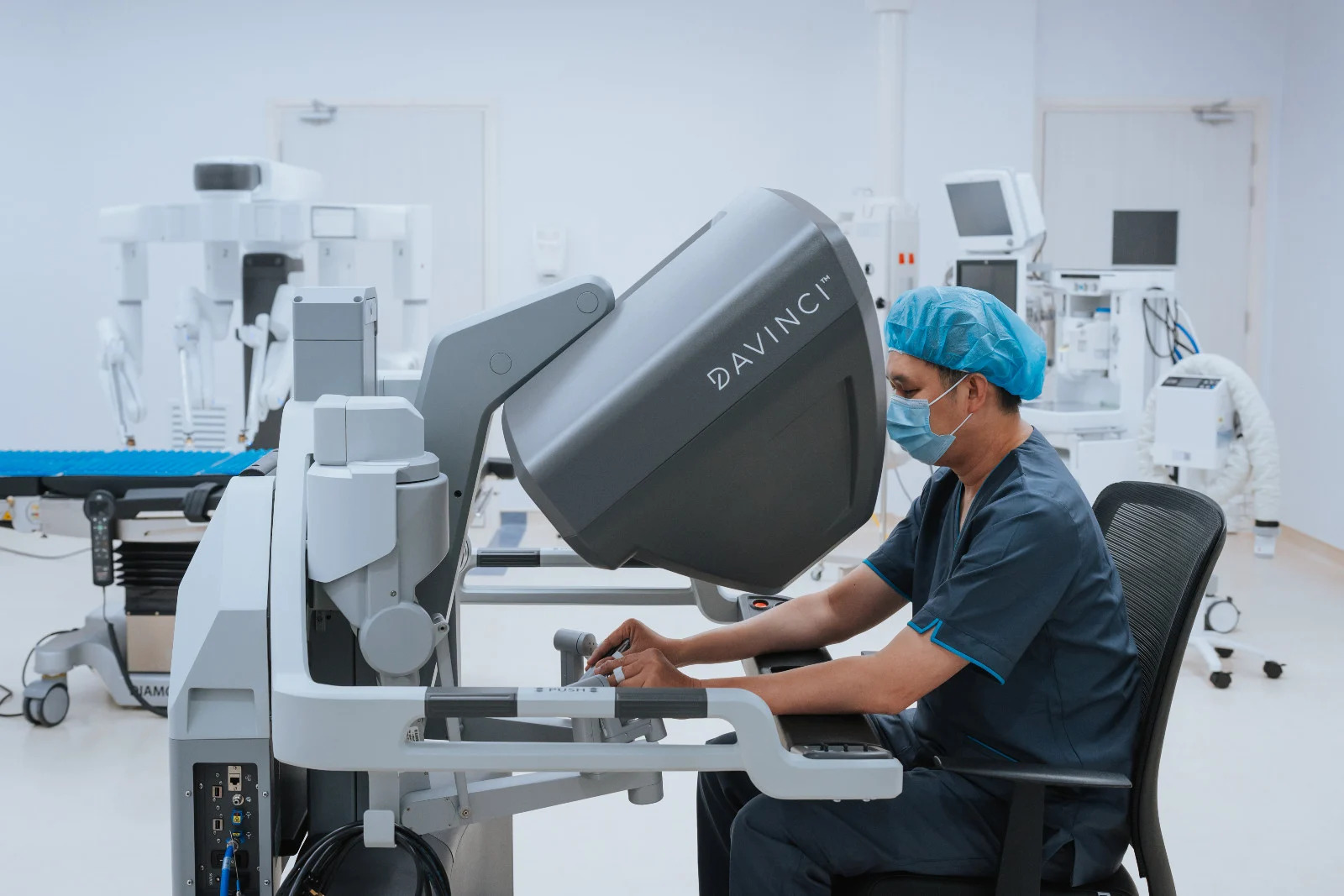
ABOVE State-of-the-art tools like the Da Vinci Xi and KOELIS systems redefine surgical standards.
Luqman’s ethos is guided by patience, perseverance and clarity of purpose. Reflecting on the challenges of his work, he says, “Many times I feel demoralised because the cancer burdens are just so high. But if we can catch two-thirds early, that will make a lot of difference in saving lives.” His commitment to advancing surgical standards is equally paired with a responsibility to educate and mentor. “We have a programme where surgeons who want to learn a certain procedure come over, operate with us and learn the correct techniques. It is almost like learning to drive a car.”
Patient communication is another cornerstone of his philosophy. “People get intimidated by technology for many reasons: unfamiliarity, cost and fear of something new. That is where effective communication is very important. The technology has to be proven to be effective. Once that evidence is there, it makes it easier to convince your patient that whatever new techniques we are doing are actually helpful for them.” He highlights the modern patient’s growing knowledge. “Nowadays, patients are more educated. They come and say, ‘But doctor, ChatGPT said there are other treatment options.’ If the doctor is not prepared for that, that is not good.”
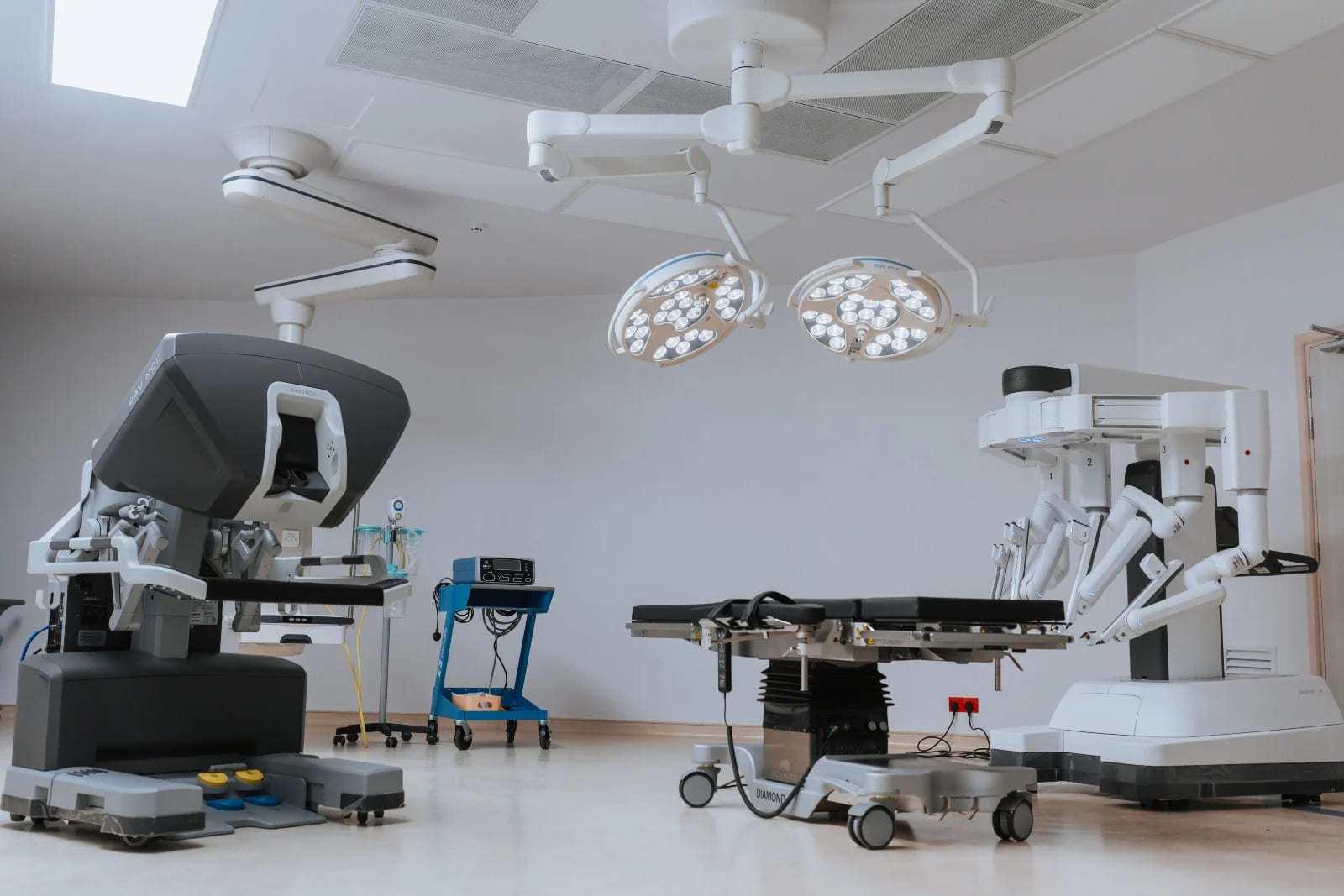
ABOVE Robotic surgery: Minimally invasive procedures offering cleaner margins and faster recovery for colorectal patients.
Leadership, however, extends beyond surgery. As medical director of a new, technology-heavy hospital, Luqman reflects, “It is quite a challenge to bring people together. Everybody comes from different backgrounds, different healthcare specialties, different cities. But I think I have managed to be a neutralising energy between people.” His approach is shaped by family role models and a philosophy of humility. “The bigger you are, the more humble you should be. You should always remain approachable. Patients can see whether you are a nice person or not, and how you communicate is very important.”
Looking ahead, he is optimistic about the role of robotics and next-generation technologies in closing gaps in access, expertise, and quality of care. “In the future, as technology advances, hopefully things get cheaper. More surgeons get trained. That would make the difference. But at the end of the day, it is not only about buying the robot. It is also about investing in human capital.”
For Luqman, powering progress with purpose means combining surgical excellence with leadership, mentorship and advocacy. “It is not enough to just come to work, treat your patients and then go home. We have a responsibility to use our power for the purpose of improving standards, improving healthcare and outcomes for everyone, for doctors and for patients.”
Source
Dato’ Dr Luqman Mazlan: How Hospital Picaso is redefining surgical excellence through robotics (Tatler Asia, 18 December 2025).
与我们的医生会面

Dato' Dr Luqman Mazlan
结直肠外科顾问医生