

Precision Surgery with Advanced Robotic Assistance
What Is Robotic Surgery?
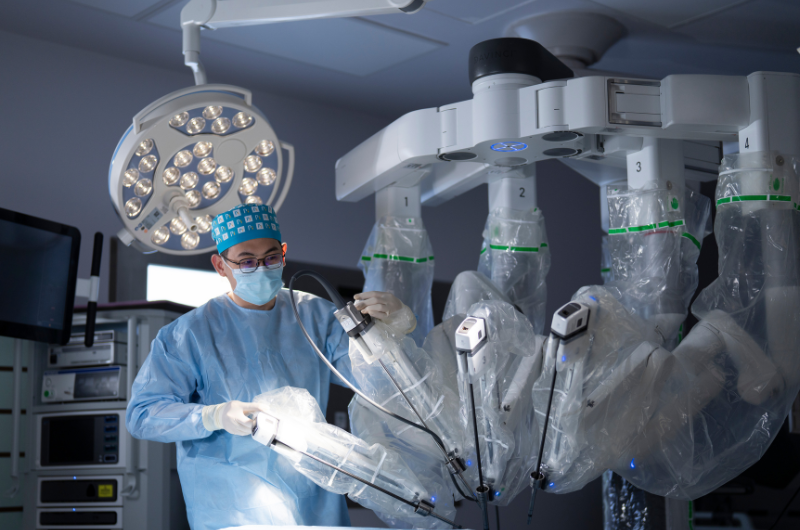
Robotic surgery is a form of surgical minimally invasive surgery where surgeons perform procedures using a robotic system that translates their hand movements into precise actions within the body.
The surgeon remains fully in control at all times. The robotic system enhances dexterity, stability, and visualisation, allowing complex procedures to be performed with greater precision through small incisions.
Robotic Surgical System at Hospital Picaso

3000+
Robotic Surgeries Performed

11 Certified Robotic Surgeons
including 6 Proctors

4 Disciplines
Gynaecology, Urology, Upper Gastrointestinal Surgery, Colorectal Surgery
Hospital Picaso is equipped with the da Vinci Xi Surgical System, a fourth-generation robotic platform designed for multi-specialty use.
Key capabilities include:
- High-definition 3D visualisation
- Wristed instruments with enhanced range of motion
- Stable, surgeon-controlled camera system
- Flexibility for complex, multi-quadrant surgery
These features support precision surgery while reducing unnecessary disruption to surrounding tissues.
Benefits of Robotic Surgery for Patients
For suitable cases, robotic surgery may offer:
- Greater surgical precision
- Improved visualisation of delicate structures
- Smaller incisions and reduced blood loss
- Less post-operative pain
- Faster recovery and shorter hospital stays
Robotic Surgery Specialties & Procedures
Robotic-assisted surgery using the da Vinci system is a well-established approach for a wide range of surgical procedures. Suitability for robotic surgery is carefully determined by our team of experienced robotic surgeons in Malaysia, based on a thorough assessment of each patient’s condition, anatomy, and overall treatment plan.
At Hospital Picaso, robotic-assisted surgery is offered across the following specialties:


General & Upper Gastrointestinal Surgery
- GERD and hiatal hernia
- Oesophageal and gastric cancers
- Gallbladder disease
- Bariatric surgery
- Hernias

Our Certified Robotic Surgeons and Proctors in Malaysia
At Hospital Picaso, robotic-assisted surgery is led by a team of certified robotic surgeons in Malaysia, each with extensive experience in performing complex procedures using the da Vinci Xi Surgical System across multiple specialties.
Several of our robotic surgeons are also certified robotic surgery proctors. As proctors, these surgeons are qualified to:
- Mentor and guide other surgeons in robotic-assisted surgery
- Oversee and support robotic procedures during training cases
- Uphold international standards of robotic surgical safety and technique
This commitment reflects Hospital Picaso’s role not only as a centre for advanced patient care, but also as a training and development hub for surgical excellence in Malaysia.
By actively participating in surgeon education and skills transfer, our proctors help train the next generation of robotic surgeons, ensuring that advanced surgical care continues to evolve safely and responsibly in the future.
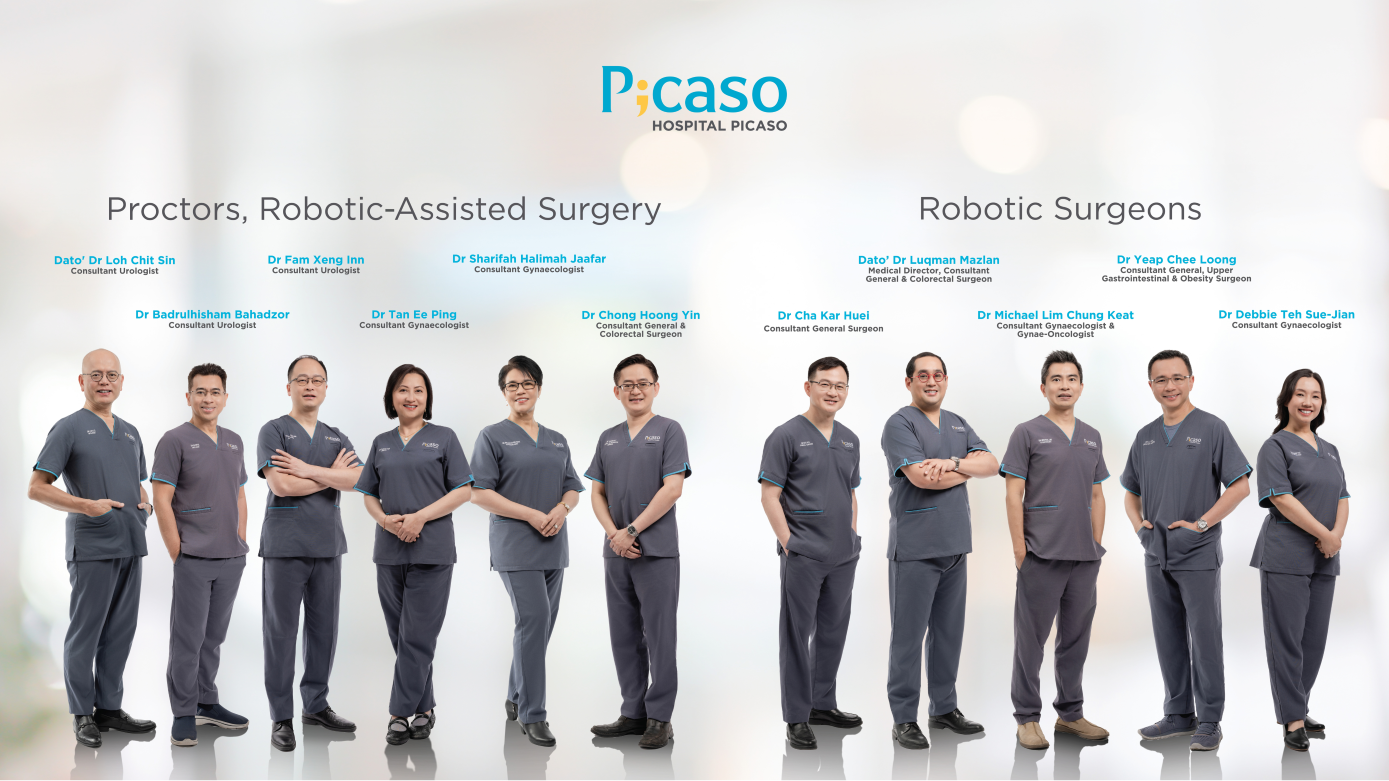
Proctors, Robotic-Assisted Surgery:
- Dato Dr Loh Chit Sin, Consultant Urologist
- Dr Badrulhisham Badhazor, Consultant Urologist
- Dr Fam Xeng Inn, Consultant Urologist
- Dr Tan Ee Ping, Consultant Gynaecologist
- Dr Sharifah Halimah Jaafar, Consultant Gynaecologist
- Dr Chong Hoong Yin, Consultant General & Colorectal Surgeon
Robotic Surgeons:
- Dr Cha Kar Huei, Consultant General Surgeon
- Dato' Dr Luqman Mazlan, Consultant General & Colorectal Surgeon
- Dr Michael Lim Chung Keat, Consultant Gynaecologist & Gynae-Oncologist
- Dr Yeap Chee Loong, Consultant General, Upper Gastrointestinal & Obesity Surgeon
- Dr Debbie Teh Sue-Jian, Consultant Gynaecologist
Our broader robotic surgery team includes consultants from urology, gynaecology, colorectal, general, and upper gastrointestinal surgery, allowing robotic-assisted procedures to be offered across a wide range of conditions.
Advancing Robotic-Assisted Surgery: Hospital Picaso’s Robotic Proctors Share Their Thoughts
Why Surgeon Experience Matters in Robotic Surgery
Robotic-assisted surgery requires:
- Advanced anatomical knowledge
- Technical mastery of robotic systems
- Sound clinical judgement for patient selection
With certified robotic surgeons and proctors, Hospital Picaso ensures that robotic surgery is performed with a strong emphasis on safety, consistency, and long-term outcomes, while also contributing to the advancement of surgical standards in Malaysia.
Frequently Asked Questions (FAQs)
Robotic surgery is a type of minimally invasive surgery where surgeons use a robotic system to perform procedures with enhanced precision. The robot does not operate independently — the surgeon controls every movement throughout the procedure.
Both are minimally invasive. Laparoscopic surgery uses long instruments operated directly by the surgeon, while robotic surgery uses a robotic platform controlled entirely by the surgeon, offering enhanced dexterity, steadiness, and 3D visualisation—often helpful in complex cases.
Robotic surgery and laparoscopic surgery are both minimally invasive approaches. Robotic surgery may offer advantages for complex procedures that require greater precision, flexibility, or visualisation, but the most suitable approach depends on the individual case.
The decision is made by your specialist surgeon after a thorough assessment of your condition, anatomy, and treatment goals. Robotic surgery is recommended only when it offers clear clinical benefit.
No. The robot does not make decisions or act independently. The surgeon remains fully in control at all times, using the robotic system as a precision tool to enhance surgical performance.
Yes. Robotic surgery may be used for selected cancer cases, particularly where precision and preservation of surrounding structures are important. When cancer treatment is required, robotic surgery is integrated with multidisciplinary oncology care.
In many cases, robotic surgery is associated with shorter hospital stays, less pain, and faster recovery compared to open surgery. Recovery varies depending on the procedure and patient factors.
There isn’t a single “best” robot for every case. The most important factors are surgeon expertise, appropriate case selection, and the system’s suitability for the specific procedure. The da Vinci Xi is widely used internationally across multiple specialties and supports complex minimally invasive surgery.
Yes. Robotic-assisted surgery is offered at selected centres in the Klang Valley, including Hospital Picaso in Petaling Jaya, with suitability assessed case-by-case.
Hospital Picaso combines experienced multidisciplinary specialists, advanced surgical technology, and personalised patient care. The hospital focuses on complex and minimally invasive procedures across its Centres of Excellence in Advanced Surgery and Integrated Oncology.
Hospital Picaso is among the hospitals with the highest robotic surgery case volumes in Malaysia, reflecting extensive surgeon experience in complex minimally invasive procedures, with our experienced doctors being proctors in their fields to other younger surgeons.
Hospital Picaso is among Malaysia’s leading robotic-assisted surgery centres with expertise in robotic urology, colorectal, gastrointestinal, gynaecology and cancer surgery. Some of the robotic surgeries available at Hospital Picaso include:
- Robotic prostate surgery
- Robotic kidney surgery
- Robotic colorectal surgery
- Robotic hysterectomy
- Robotic cancer surgery
- Robotic upper GI surgery
Robotic surgery is often more expensive than conventional laparoscopy because it involves specialised equipment and disposable instruments. Total cost varies significantly by procedure type, complexity, length of stay, and surgeon fees—so the most accurate estimate is a personalised quotation after consultation. At Hospital Picaso, each case is thoughtfully assessed and personalised, and you will be informed ahead of time on the best options for you.
Consult Our Dedicated Specialists Today!
Decades of experience under their belt — at your service just a few clicks away.
Book Appointment Contact Us