

When “Non-surgical” Breast Enhancements Turn Dangerous: A Surgeon’s Perspective
June 11, 2026
Breast filler injections are often marketed as a quick, scar-free alternative to breast implants. However, what is often not discussed is the serious long-term consequences that can arise, particularly when breast cancer occurs.
As breast surgeons, we are increasingly seeing complications from injectable fillers placed directly into the breast tissue.

What Are Breast Fillers in Breast Augmentation?
Unlike silicone implants, injectable fillers are not designed specifically for breast augmentation. These products, originally intended for facial or small-volume body contouring, have been used off-label in breast augmentation and often in large quantities. There is a definite rising concern about their safety.
Injectable materials such as polyacrylamide hydrogel or hyaluronic acid-based fillers like Macrolane were not designed for long-term breast monitoring.
Imaging Challenges
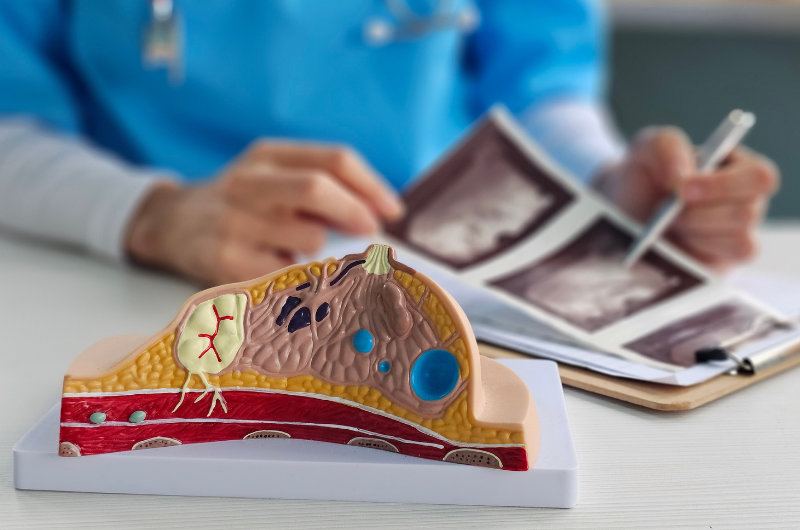
Breast fillers can significantly affect diagnostic imaging and breast cancer detection. They may lead to:
- Chronic inflammation
- Calcifications
- Hard nodules or granulomas that mimic tumours
- Obscured mammographic views
- Difficult ultrasound interpretation causing a “snowstorm-like” appearance
This distorts the clarity of imaging, thus making clear diagnosis of disease difficult.
Infections, Tissue Damage and Long-Term Complications
Beyond breast cancer detection, these breast fillers are often associated with:
- Repeated infection and abscess formation
- Skin thinning and necrosis
- Migration into surrounding tissue and lymph nodes
Very often, these fillers migrate into surrounding tissue and lymph nodes, damaging them as a result. This causes chronic pain and hardening of the tissues, making it very difficult to surgically remove them.
Why Breast Fillers Are More Complex Than Breast Implants?
Unlike breast implants, which are regulated medical devices with defined safety data, fillers disperse into natural tissue and cannot be removed clearly once integrated.
They therefore can:
- Complicate imaging
- Delay detection of cancers
- Influence surgical options
- Cause tremendous anxiety in patients
Many end up requiring more radical surgery than might otherwise have been necessary.
Breast Filler Injections in Malaysia: Safety and Regulation Concerns
Many countries all over the world do not approve of filler injections into the breast for augmentation. In Malaysia, unfortunately, this procedure is still very rampant and not regulated. There is very loose legislation on the matter. This procedure is openly conducted at unlicensed beauty salons and even by some medical practitioners, unfortunately.
Seeing patients with complications of filler injections into the breast is becoming more and more common. Many are duped into believing that it's an easy procedure and can be done very simply in a clinic and, worse, sometimes in hotel rooms.
These procedures are done by “fly-by-night practitioners”.
The patients are not given clear information on the possible complications that may occur and often are reassured that the fillers are biodegradable and will disappear after some time. When a complication does happen, very often these “practitioners” are nowhere to be found.
Long-Term Effects on Breast Health and Cancer Detection
Over the years, many patients have had to have repeated procedures to their breasts when complications occur.
Some outcomes include:
- Complete breast removal, with or without immediate reconstruction
- Volume loss and infections related to fillers
- Development of breast cancers
Whether the fillers are directly responsible for the breast cancer or not is unclear. What does happen, though, is these cancers are detected late as a result of poor imaging. These patients end up with complex treatments for their disease as opposed to simple treatments if it was detected early.
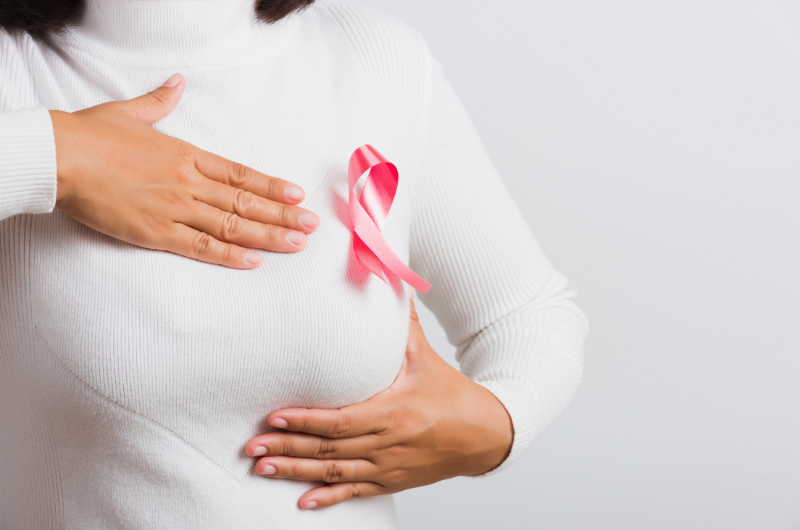
Breast Implants vs Breast Fillers: A Safety Comparison
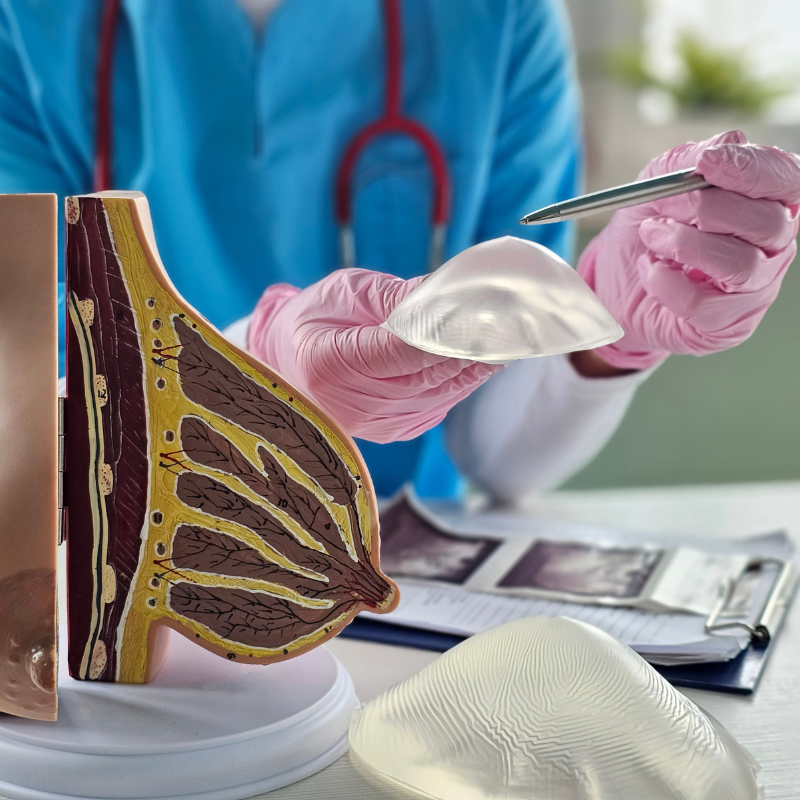
The public need to understand that breast enhancement procedures like implants are safe. The implant technology has evolved, and the quality of implants used these days are excellent, safe, and FDA-approved.
The procedure done by trained surgeons are far safer and the long-term outcome much better.
Even implants, while generally safe when appropriately selected, carry a rare but recognised risk such as Breast Implant-Associated Anaplastic Large Cell Lymphoma. The difference is that implants are studied, monitored, and removable.
It's high time for stricter enforcement and legislation against unsafe breast filler injection practices. Stern action should be taken to curb these practices and protect public safety.
Public education on the dangers of filler injections into the breast should be continuous.
Checks by the medical council on dangerous practices are needed. This should also be applied to unregistered, non-medical practitioners like beauty salons and wellness centres that offer these services.
Conclusion
The bottom line is a cosmetic decision made in minutes can influence breast health decades later. Breast cancer is common. Any intervention that compromises early detection or surgical clarity must be considered carefully.
If women are considering breast enhancement, they should seek consultation with qualified surgeons in accredited medical facilities and fully understand long-term implications, especially cancer surveillance.
When it comes to the breast, safety and future health must always come first.
Back
More Health Articles





Consult Our Dedicated Specialists Today!
Decades of experience under their belt — at your service just a few clicks away.
Book Appointment Contact Us