Saving Lives Beyond a Lifetime
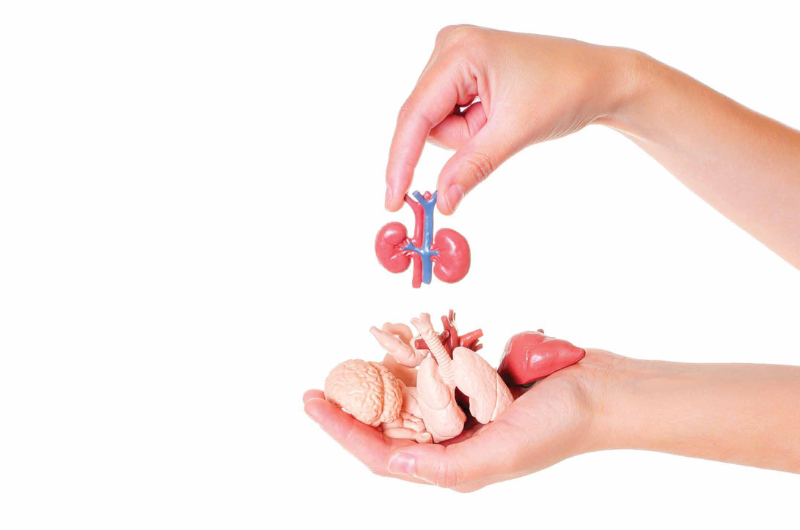
Organ donation is a noble act that gives hope and a second chance at life to patients suffering from organ failure. One donor can save or improve the lives of many.
All information is in accordance with the guidelines of the Ministry of Health (MOH) Malaysia and the National Transplant Resource Centre (NTRC)
What Is Organ Donation?
Organ donation is the process of donating a person’s organs for transplantation (organ replacement) to save the lives of patients.
Organ transplantation has been proven to be an effective treatment option for patients experiencing end-stage organ failure, and it can also improve their quality of life.
Organs & Tissues That Can Be Donated in Malaysia
After death (deceased donor)
Organs
- Heart
- Lungs
- Liver
- Kidneys
Tissues
- Heart Valves
- Eyes / Corneas
- Skin
- Bones
During life (living donor, for selected organs only)
Organs
- Part of the liver
- One of the kidneys
Only organs and tissues that are medically suitable, in good condition, and consented to by the family will be considered for donation.
Organ Donation & Brain Death
There are two types of death:
- Cardiac death: When the heart stops beating
- Brain death: When the brain permanently stops functioning
Brain Death
- Occurs when the brain is so badly damaged that it permanently stops functioning, usually as a result of severe bleeding and swelling caused by head injury, stroke, infection, tumours, or lack of oxygen.
- The person has lost the ability to breathe and is kept on a machine (ventilator).
- Certified by two specialists who are independent of transplantation.
- The scientific community and the National Fatwa Council have endorsed that brain death is death.
A person who is brain dead can donate all organs and tissues, whereas someone who has cardiac death can donate tissues only.

Organ Donation Procedure After Death in Malaysia
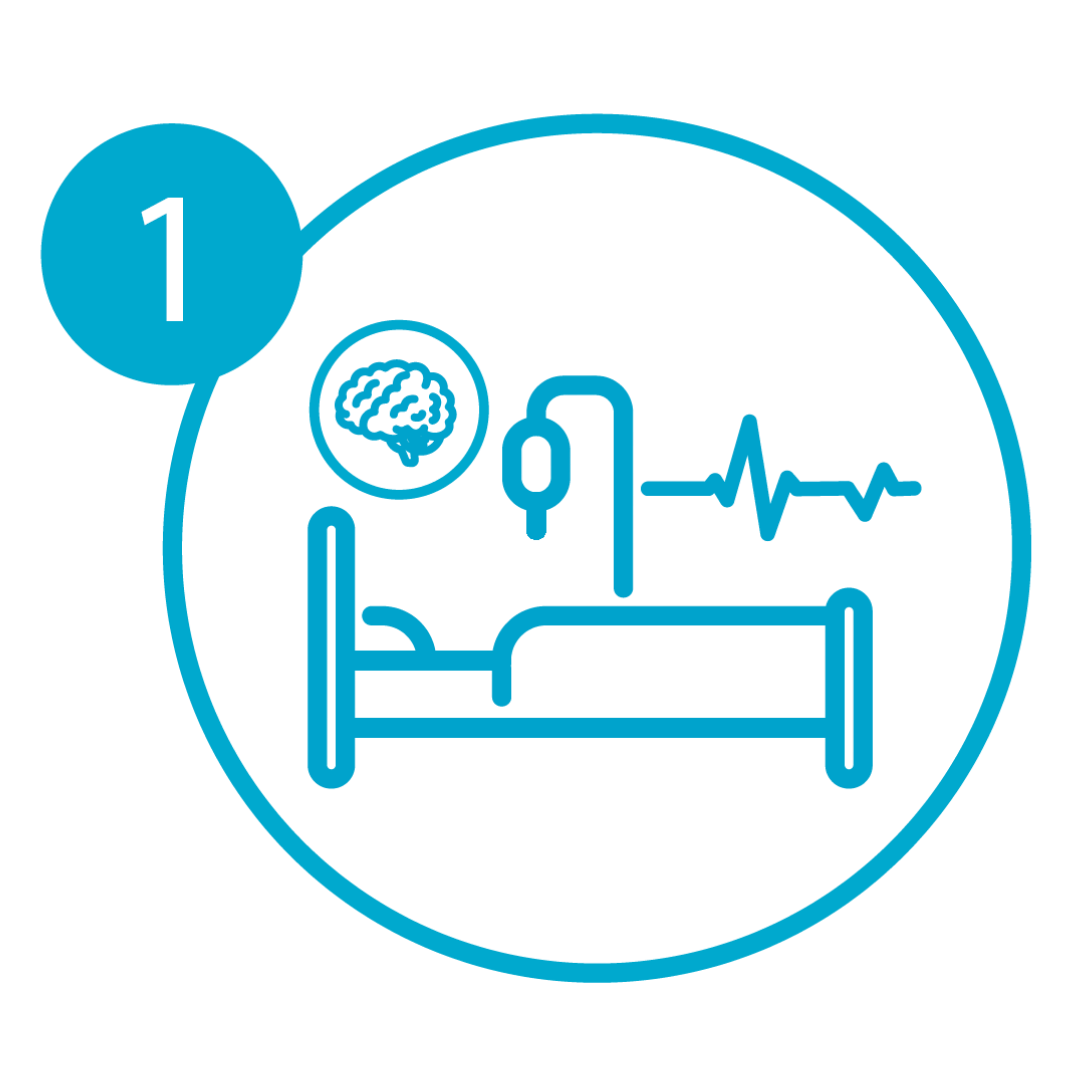
Brain-dead patients as potential organ and tissue donors
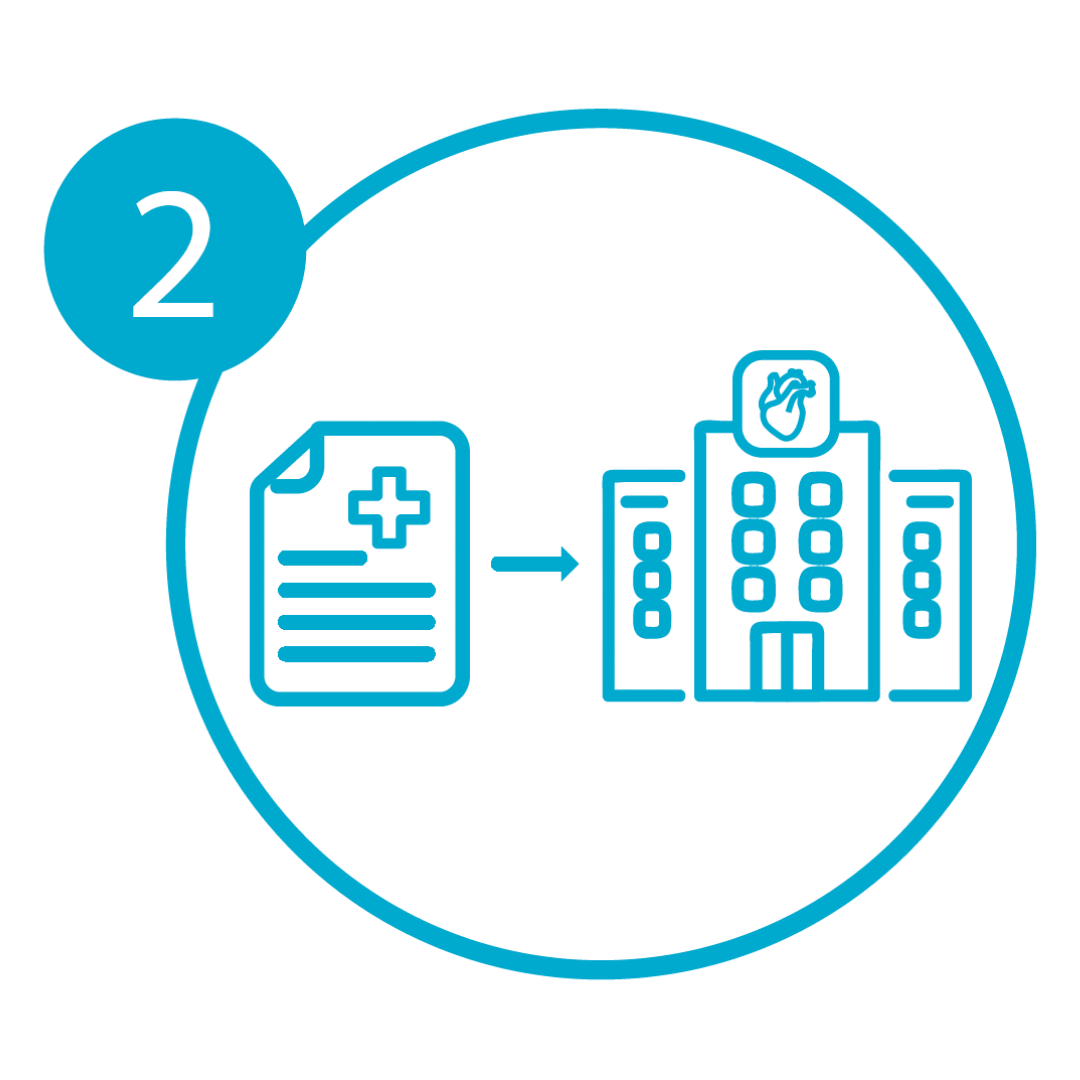
Case referred to the National Transplant Resource Centre
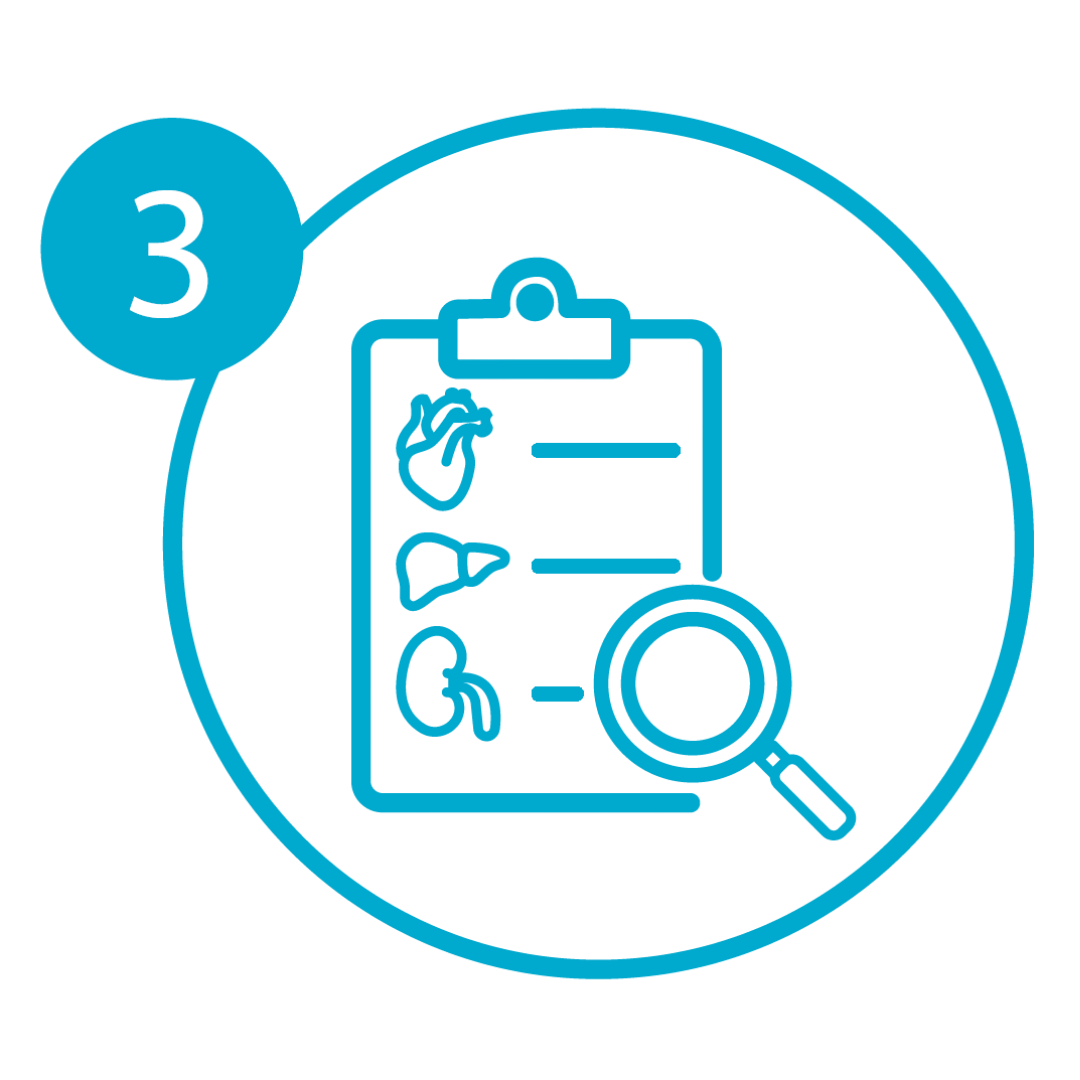
An assessment is conducted to determine the suitability of the potential donor for organ and tissue donation
Counselling sessions are conducted for the potential donor’s family members

Written consent is obtained from the family for organ and tissue donation
Approval from the magistrate and police is obtained for organ retrieval in medicolegal cases, such as accidents and suicide
The organ retrieval team will proceed to the hospital where the organ donor is being cared for
Surgery to retrieve organs and tissues is carried out in a sterile and respectful manner
Donated organs are transferred to recipients at transplant centres
Transplant Centres:

KUALA LUMPUR HOSPITAL
- Kidney Transplantation
- Bone Bank

SELAYANG HOSPITAL
- Liver Transplantation
- Kidney Transplantation
SUNGAI BULOH HOSPITAL
- Corneal Tissue Bank

NATIONAL HEART INSTITUTE
- Heart Transplantation
- Lung Transplantation
- Heart Valves
- UNIVERSITY MEDICAL CENTRES AND PRIVATE HOSPITALS
Organ Donation from the Religious Perspective
Islamic Perspective
Organ donation after death is permissible in Islam. Many countries, including Malaysia, Egypt, Saudi Arabia, Iran, Pakistan, and Singapore, allow Muslims to pledge and donate their organs.
- Considered a form of saving lives, which aligns with maqasid al-Shariah (objectives of Islamic law) and endorsed by the National Fatwa Council Malaysia
- Organ transplantation is not a form of desecration of a corpse, as its purpose is pure and intended to save the life of a patient in need
- Regarded as sadaqah jariyah (continuous charity), does not violate human dignity, and does not transfer sins from the donor to the recipient
Other Religions
Other religions in Malaysia, such as Buddhism, Christianity, Hinduism, and Sikhism, encourage organ donation as a noble deed.
Frequently Asked Questions (FAQs)
No. Organ and tissue donation will not cause any physical disfigurement. Even an open-casket funeral is still possible.
No. No organs or tissues will be removed without the consent of the next of kin or family. Organ donation is different from autopsy (post-mortem) and is usually done in the operating theatre.
Absolutely not. Medical staff will do their utmost to treat every patient, regardless of whether the patient is a pledger or not.
No. Only organs and tissues that meet the following criteria will be considered for donation:
i. organs and tissues consented to by the next of kin or family;
ii. organs and tissues that are in good condition and still functioning;
iii. organs and tissues for which there is a suitable transplant recipient.
Yes. Donation may still be possible, but only for the eyes or corneas. The donation can be carried out at home.
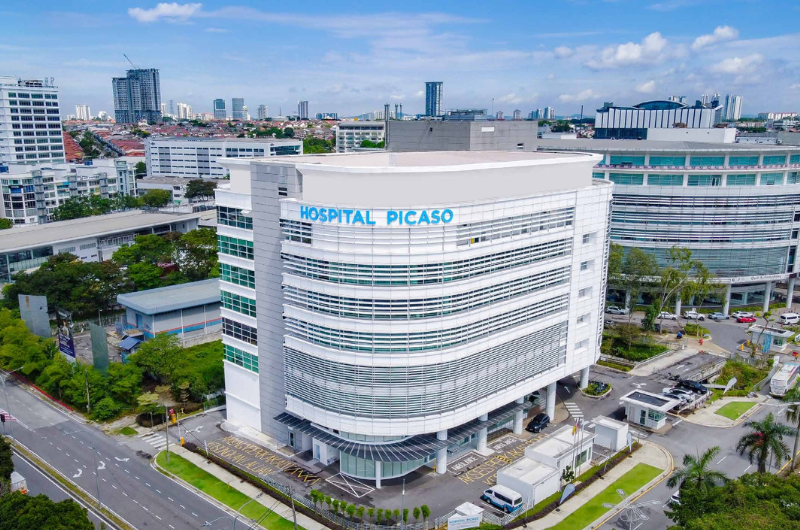
About Hospital Picaso
Hospital Picaso, short for PJ Integrated Centre of Advanced Surgery and Oncology, is a premier cancer centre located in the heart of Petaling Jaya offering a full spectrum of advanced cancer treatment. As a leading centre for advanced surgery and integrated oncology in Malaysia, we are committed to delivering personalised medical solutions tailored to each patient’s journey.
Equipped with cutting-edge technologies, including robotic operating theatres and specialised therapy centres, and supported by a team of dedicated multidisciplinary team, we are here to keep hope alive. At Hospital Picaso, we believe that recovery is a fight worth winning and no one should have to face it alone.
Register Now and Become An Organ Donor Pledger
For more information:
National Transplant Resource Centre (NTRC)
Website: www.dermaorgan.gov.my
Toll-Free Line: 1800-88-9080
Email: ntrc@moh.gov.my
Hospital Kuala Lumpur
Phone: +603 - 2681 0681 / +603 - 2681 0682
Fax: +603 - 2681 0680
Important! Inform your family of your wish to become an organ and tissue donor.
Consult Our Dedicated Specialists Today!
Decades of experience under their belt — at your service just a few clicks away.
Book Appointment Contact Us