Reducing Surgical Trauma While Preserving Outcomes
What Are Minimally Invasive Techniques?
Minimally invasive techniques aim to treat disease while minimising physical disruption to the body. Compared to open surgery, these approaches typically involve smaller incisions, natural body openings, or no incisions at all.
At Hospital Picaso, minimally invasive techniques form the foundation of advanced surgical care, offering patients in Malaysia, including Petaling Jaya and the Klang Valley effective treatment with faster recovery and improved comfort where clinically appropriate.
Surgical Minimally Invasive Techniques
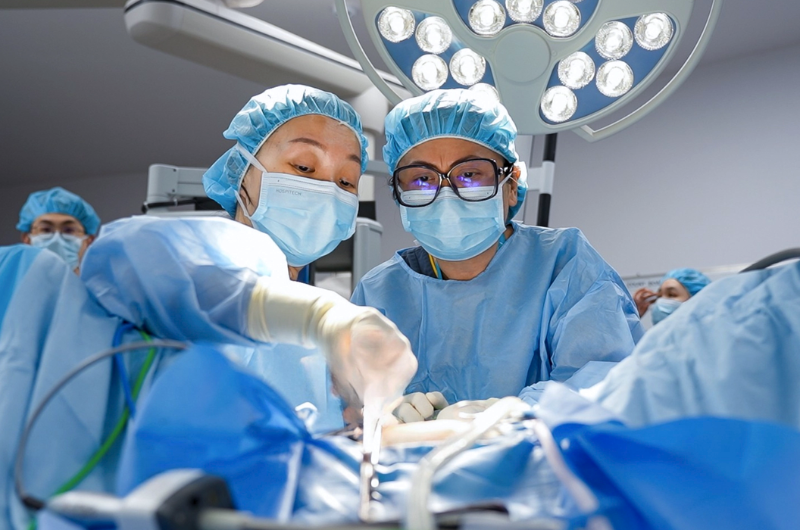
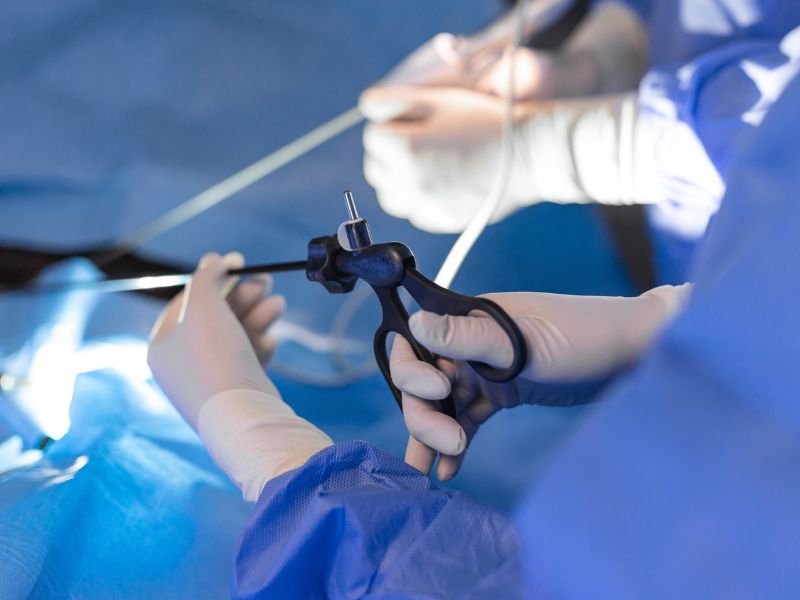
Minimally invasive surgery (MIS), also known as keyhole or laparoscopic surgery, is a surgical approach that allows procedures to be performed through small incisions using specialised instruments and high-definition cameras.
Compared to traditional open surgery, MIS reduces trauma to muscles and surrounding tissues while maintaining surgical accuracy. It has become a cornerstone of modern surgical care in Malaysia, particularly for conditions where faster recovery, reduced pain, and preservation of normal function are priorities.
Hospital Picaso offers a wide spectrum of surgical minimally invasive techniques performed by experienced specialists across multiple disciplines, selected based on:
- Disease type and stage
- Anatomical considerations
- Patient health status
- Expected functional outcomes
Surgical MIS may be performed using conventional laparoscopy, advanced laparoscopic techniques, or natural-orifice surgical approaches, depending on clinical needs.
-
Laparoscopic Surgery
Widely used across gynaecology, urology, gastrointestinal, liver, colorectal, breast, and oncological surgery to perform complex procedures through small incisions.
-
vNOTES (Vaginal Natural Orifice Transluminal Endoscopic Surgery)
A scar-free gynaecological surgical approach performed via the vaginal route, avoiding abdominal incisions while maintaining surgical precision.
-
HoLEP (Holmium Laser Enucleation of the Prostate)
An endoscopic surgical treatment for benign prostatic hyperplasia (BPH), performed through the urinary passage without skin incisions.
Advanced Endoscopic Therapies
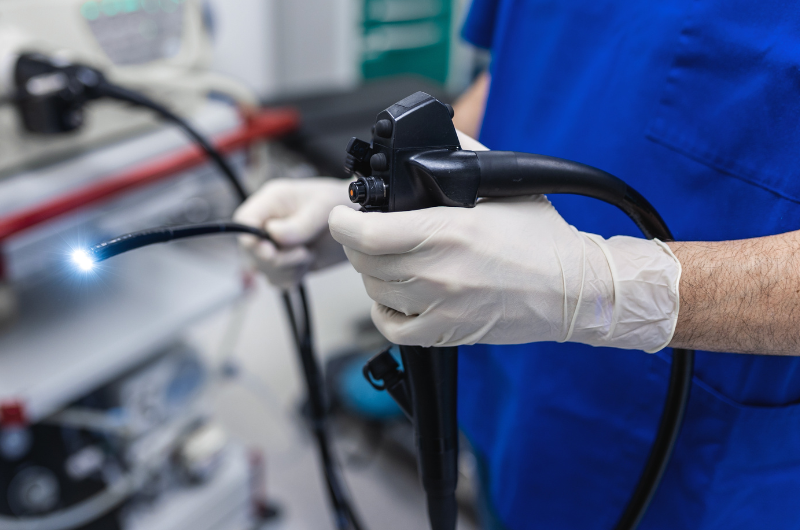
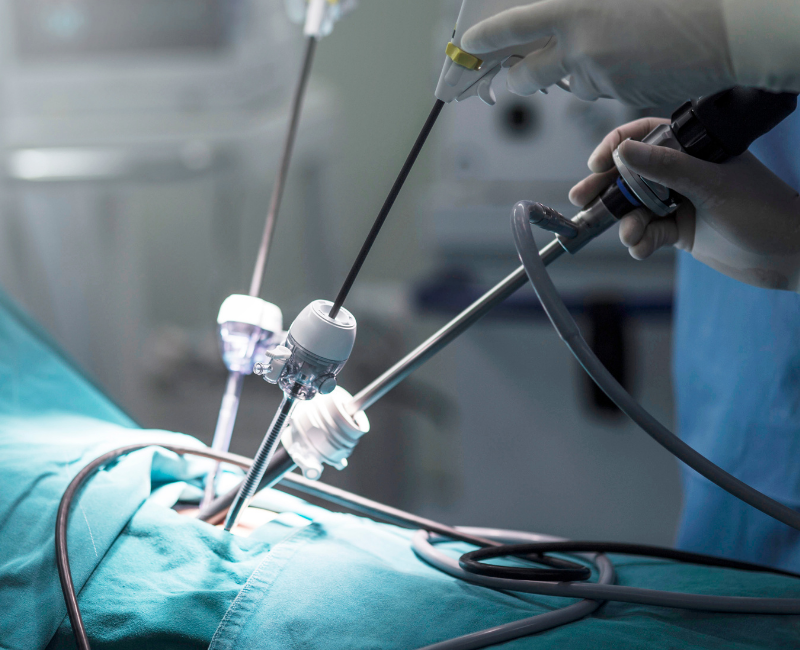
Advanced endoscopic therapies are minimally invasive treatments performed through natural body openings, without external incisions. These techniques often provide definitive treatment for gastrointestinal conditions.
Available therapies include:
- POEM (Peroral Endoscopic Myotomy)
- G-POEM (Gastric POEM)
- EMR (Endoscopic Mucosal Resection)
- ESD (Endoscopic Submucosal Dissection)
- STER (Submucosal Tunnelling Endoscopic Resection)
- ESG (Endoscopic Sleeve Gastroplasty)
These procedures allow targeted treatment while preserving surrounding tissue and supporting faster recovery.
Improving Early Detection with AI-Assisted Endoscopy
At Hospital Picaso, advanced endoscopic procedures are supported by high-definition imaging and AI-assisted visual analysis to enhance the detection and assessment of abnormal tissue.
AI tools may assist by:
- Highlighting subtle polyps or suspicious lesions in real time
- Supporting early identification of pre-cancerous and cancerous changes
- Enhancing visual contrast and lesion characterisation
- Helping reduce the likelihood of overlooked abnormalities
AI is used as a support tool to assist our doctors in identifying abnormalities more accurately and planning the most appropriate treatment.
Non-Surgical Minimally Invasive Therapies
For selected patients, certain conditions may be treated using non-surgical minimally invasive therapies that do not involve surgical excision.
These therapies use targeted energy or image-guided techniques and may be offered as alternatives to surgery.
Non-surgical minimally invasive therapies available at Hospital Picaso include:
- High-Intensity Focused Ultrasound (HIFU)
- Microwave Ablation (MWA)
- Radiofrequency Ablation (RFA)
- NanoKnife (Irreversible Electroporation)
- Rezūm therapy for benign prostatic hyperplasia
- Electrochemotherapy (ECT)
These approaches are particularly valuable when surgery carries higher risk or when organ preservation is a priority.
Impact of Minimally Invasive Techniques on Recovery
When appropriately selected, minimally invasive techniques can:
- Reduce post-treatment pain
- Shorten hospital stays
- Enable faster recovery
- Support earlier return to daily activities
Not all patients are suitable for minimally invasive treatment. At Hospital Picaso, selection is guided by clinical evidence, surgeon expertise, and patient safety.
Frequently Asked Questions (FAQs)
Minimally invasive surgery refers to surgical techniques that treat disease using small incisions, natural body openings, or targeted approaches instead of large open cuts. These methods aim to reduce physical trauma while maintaining the effectiveness of surgery.
For suitable patients, minimally invasive surgery is considered safe and effective, with benefits such as reduced pain and faster recovery. However, open surgery may still be necessary for certain complex or emergency conditions. The safest approach is determined by the surgeon based on clinical factors.
Suitability depends on several factors, including your medical condition, disease stage, anatomy, and overall health. At Hospital Picaso, each patient is carefully assessed to determine whether a minimally invasive approach is appropriate.
Yes. Minimally invasive techniques may be used for selected cancers, particularly in early-stage or well-localised disease. These approaches are often coordinated with other treatments as part of an integrated cancer care plan.
Many surgical minimally invasive procedures (such as laparoscopy) are performed under general anaesthesia. Some non-surgical minimally invasive therapies may use sedation or local anaesthesia depending on the treatment and patient needs.
Surgical minimally invasive techniques involve removing or repairing tissue using small incisions or natural orifices, such as laparoscopic surgery. Non-surgical minimally invasive therapies use targeted energy or image-guided methods to treat tissue without surgical removal.
Recovery time varies depending on the procedure and individual patient factors, but many patients experience shorter hospital stays and faster return to daily activities compared to open surgery.
Most minimally invasive procedures result in smaller and less noticeable scars compared to open surgery. In some techniques, such as natural-orifice surgery, external scars may be avoided altogether.
Consult Our Dedicated Specialists Today!
Decades of experience under their belt — at your service just a few clicks away.
Book Appointment Contact Us