Understanding Your Surgical Options
When surgery is recommended, one of the most common questions patients ask is:
Should I have traditional surgery or laparoscopic surgery?
Both are well-established surgical approaches. However, an equally important question is whether your condition can be treated using advanced minimally invasive techniques.
At Hospital Picaso, our surgeons routinely perform advanced laparoscopic and robotic surgeries for both common and complex conditions. Whenever it is clinically appropriate, we will always explore whether surgery can be safely performed using minimally invasive techniques to help patients benefit from smaller incisions, faster recovery, and improved surgical outcomes.
What Is Traditional Surgery?
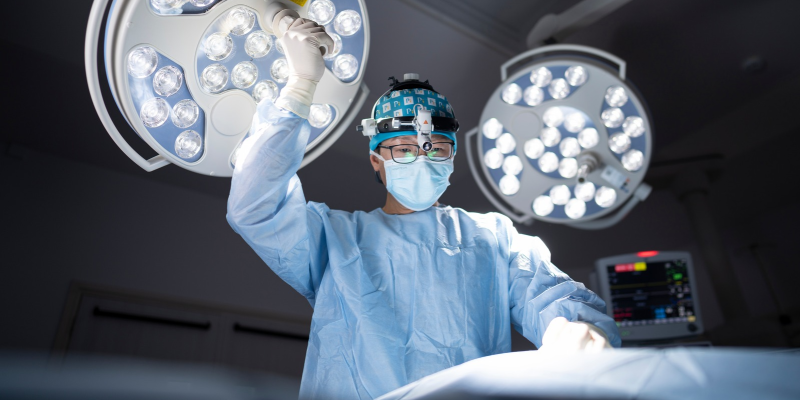
Traditional surgery, also known as open surgery, involves making a larger incision to allow the surgeon direct access to the area being treated.
This approach has been used safely and effectively for decades and may be recommended for more complex procedures or when wider access is required.
Traditional surgery may be preferred when:
- The procedure involves complex anatomy
- There is a need for greater visibility or access
- Emergency intervention is required
- The condition requires extensive surgical work
What Is Laparoscopic Surgery?
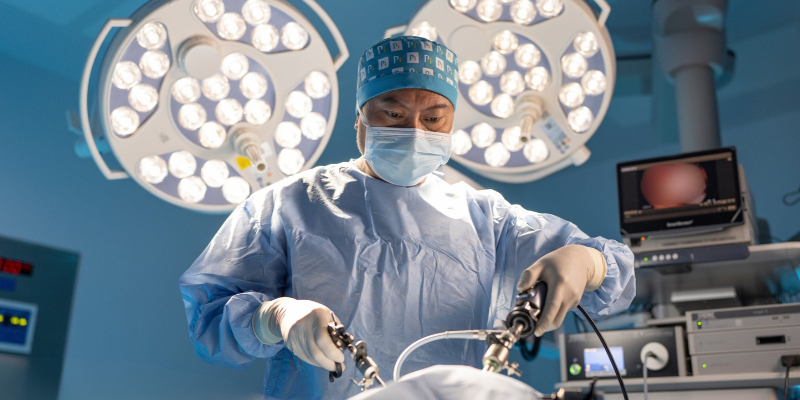
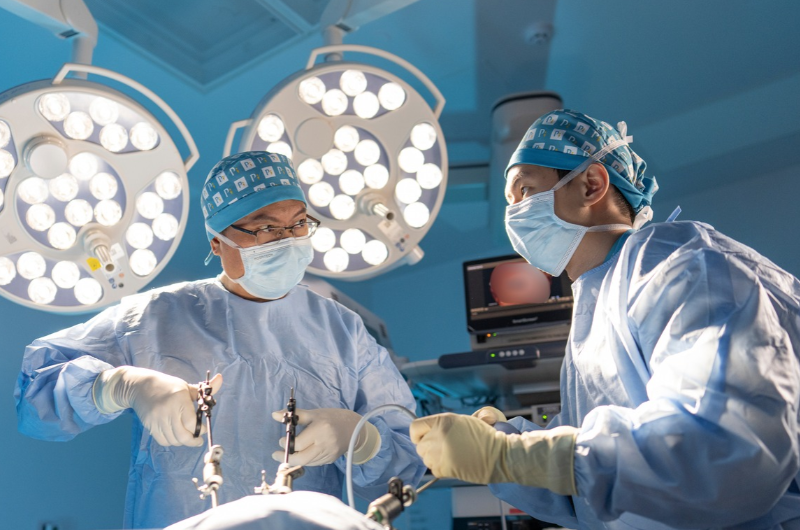
Laparoscopic surgery, also known as keyhole surgery, is a minimally invasive technique performed through several small incisions using a high-definition camera and specialised instruments.
Many hospitals offer laparoscopic surgery for routine procedures such as gallbladder removal and appendicectomy. At Hospital Picaso, our expertise extends beyond these routine operations to include advanced laparoscopic and robotic procedures for complex gastrointestinal, colorectal, upper gastrointestinal, obesity, and selected thoracic conditions.
This advanced capability allows more patients to benefit from minimally invasive surgery, even for conditions that may traditionally require open surgery.
Key Differences Between Traditional and Laparoscopic Surgery
This information is for educational purposes and is not a substitute for professional medical consultation.
| Aspect | Traditional Surgery | Laparoscopic Surgery |
|---|---|---|
| Incision & scarring | Larger incision with more visible scar | Small keyhole incisions with minimal scarring |
| Post-operative pain | Generally more discomfort due to larger tissue disruption | Typically less pain due to reduced tissue trauma |
| Recovery time | Longer recovery before returning to normal activities | Faster recovery with earlier return to daily routine |
| Hospital stay | Usually requires longer hospitalisation | Shorter stay; some cases may be day surgery |
| Surgical approach | Direct access through open incision | Camera-guided surgery using specialised instruments |
Advanced Laparoscopic and Robotic Surgery at Hospital Picaso
Hospital Picaso is recognised for its expertise in advanced minimally invasive surgery.
In addition to routinely performing laparoscopic procedures such as gallbladder removal, appendicectomy, and hernia repair, our surgeons also perform advanced laparoscopic and robotic procedures, including:
- Laparoscopic gastrectomy
- Laparoscopic bariatric (weight loss) surgery
- Complex laparoscopic hernia repair
- Laparoscopic colectomy
- Laparoscopic anterior resection
- Laparoscopic and thoracoscopic oesophagectomy
- Advanced colorectal surgery for both benign and cancerous conditions
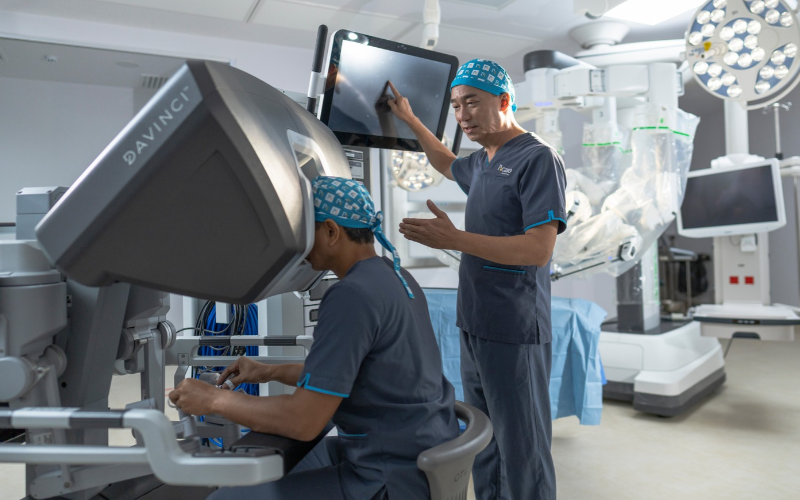
Many of these procedures can also be performed using robotic-assisted surgery, providing enhanced precision, greater dexterity, and improved visualisation during complex operations.
For suitable patients, we always assess whether these advanced minimally invasive approaches can be safely performed before recommending traditional open surgery.
The Role of Robotic-Assisted Surgery
Robotic-assisted surgery represents the next evolution of minimally invasive surgery.
At Hospital Picaso, robotic technology is routinely used for many advanced gastrointestinal, upper gastrointestinal, bariatric, colorectal, and complex abdominal procedures. The robotic platform provides surgeons with:
- High-definition three-dimensional visualisation
- Greater precision and control
- Enhanced dexterity in confined anatomical spaces
- Improved access during technically demanding procedures
The robot does not perform the surgery independently. Every movement is fully controlled by the surgeon, allowing greater precision during complex operations.
Which Surgical Approach Is Right for You?
Choosing between traditional surgery, laparoscopic surgery, or robotic-assisted surgery depends on several factors, including:

- Your medical condition

- The complexity of the disease

- Previous surgeries

- Your overall health

- Whether a minimally invasive approach can be performed safely
Minimally invasive surgery is not always the right choice for every patient. However, it may be an option for more complex procedures than many people realise.
At Hospital Picaso, our surgeons carefully evaluate every patient to determine whether an advanced laparoscopic or robotic approach can be safely offered before recommending open surgery. Our priority is always to achieve the safest procedure and the best possible outcome.
If you have been advised that you need surgery, speak to our specialists to find out whether your condition may be suitable for advanced laparoscopic or robotic surgery.
About Hospital Picaso
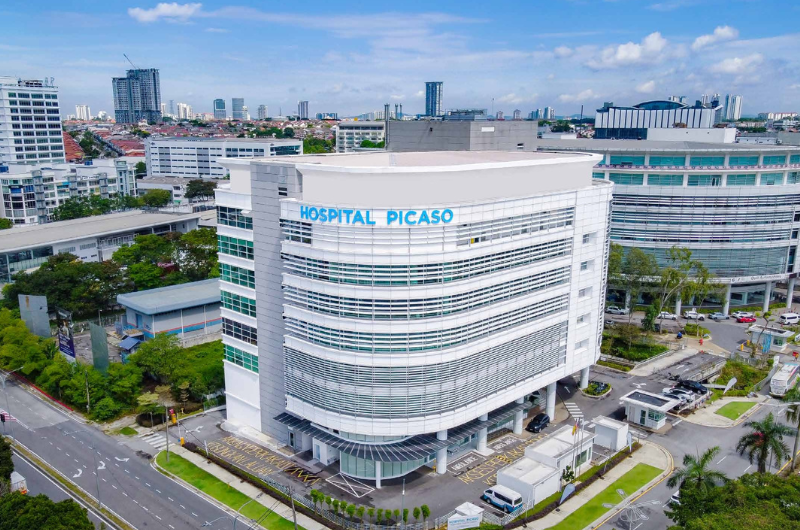
Hospital Picaso, short for PJ Integrated Centre of Advanced Surgery and Oncology, is a premier cancer centre located in the heart of Petaling Jaya offering a full spectrum of advanced cancer treatment. As a leading centre for advanced surgery and integrated oncology in Malaysia, we are committed to delivering personalised medical solutions tailored to each patient’s journey.
Equipped with cutting-edge technologies, including robotic operating theatres and specialised therapy centres, and supported by a team of dedicated multidisciplinary team, we are here to keep hope alive. At Hospital Picaso, we believe that recovery is a fight worth winning and no one should have to face it alone.
Book a Consultation with Our Specialists Today
If you have been advised to undergo surgery and would like to better understand your options, our team is here to help.
Schedule your appointment today:
- Call us: +603-7457 2888
- Email: info@picasohospital.com
Meet Our Specialists

Datuk Dr Harjit Singh
Consultant General & Hepato-Pancreato-Biliary Surgeon
Dr Yeap Chee Loong
Consultant General, Upper Gastrointestinal & Obesity Surgeon
Dr Cha Kar Huei
Consultant Gastrointestinal, Bariatric, & General Surgeon
Dato' Dr Luqman Mazlan
Consultant General & Colorectal Surgeon
Dr Chong Hoong Yin
Consultant General & Colorectal SurgeonConsult Our Dedicated Specialists Today!
Decades of experience under their belt — at your service just a few clicks away.
Book Appointment Contact Us