

The Early Warning Signs of Endometrial Cancer Every Woman Should Know
August 27, 2026
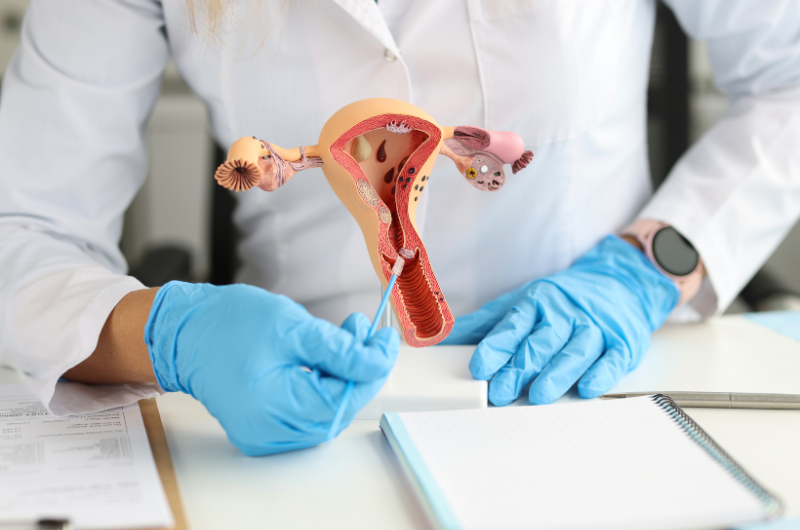
Endometrial cancer begins as a growth in the lining of the uterus, known as the endometrium, which is the layer of the uterus that sheds during menstrual cycles.
Most endometrial cancers are of the type called endometrioid adenocarcinoma and tend to grow slowly, which allows early detection when treatment is most effective. Based on the Malaysia National Cancer Registry from 2016–2021, it is now the most common gynaecological cancer affecting women, with an incidence of 6.7 per 100,000 population.
What Is Endometrial Cancer and Who May Be at Risk?
The risk of endometrial cancer is higher in those who:
- Are above 50 years of age
- Are obese, as excess fat increases unopposed oestrogen levels, which in turn causes thickening or hyperplasia of the endometrium
- Have an early onset of menstruation
- Have long-term use of tamoxifen for breast cancer
- Experience late menopause
- Have polycystic ovary syndrome (PCOS)
- Use oestrogen-only hormone replacement therapy (HRT)
- Have poorly controlled diabetes or hypertension
In younger patients, endometrial cancer may be associated with a genetic predisposition called Lynch syndrome.
Early Warning Signs and Symptoms Women Should Look Out For
Endometrial cancer is often diagnosed early, as the key warning sign and symptom in most women is abnormal vaginal bleeding. Early detection leads to a high cure rate.
Symptoms to look out for include:

- Bleeding after menopause

- Bleeding between periods

- Heavy menstrual bleeding in younger women

- Persistent vaginal or blood-stained discharge

- Pelvic pain, occasionally in advanced endometrial cancer
When Should Women See a Doctor?

See your gynaecologist promptly if you experience:
- Abnormal vaginal bleeding
- An abnormal change in your menstrual pattern or flow
- Persistent blood-stained vaginal discharge
- Pelvic pain
- Unexplained weight loss
- Persistent fatigue
- Unexplained anaemia
What to Expect During an Assessment
Your doctor may ask you about your symptoms in detail, menstrual cycle history, medications and family history. The doctor will also perform a general physical and pelvic examination. A pelvic ultrasound scan, which may involve a transvaginal ultrasound scan, will also be performed to assess the endometrial lining of the uterus and ovaries.
A small sample or biopsy is taken from the lining of the uterus, called an endometrial biopsy. This can be done using a fine, flexible tube called a Pipelle in an outpatient setting. This helps to detect whether there are any abnormal or cancerous cells present in the endometrium.
Additional investigations may be needed depending on the initial findings, such as:

- Blood tests

- CT scan

- MRI scan

- PET scan

- Hysteroscopy – a camera-assisted endoscopic assessment of the inside of the uterus with targeted biopsy
How Is Endometrial Cancer Diagnosed?
The only way to diagnose endometrial cancer is by examining tissue or a biopsy from the endometrium under a microscope through histopathological examination.
If cancer cells are found, the pathologist will report the type and grade of the cancer, which indicates how abnormal the cells are and helps guide further treatment.
Imaging tests and other investigations help evaluate the uterus for any spread of the cancer, but they cannot confirm cancer on their own.
Why Is Early Detection Important?
Early detection leads to better outcomes, as the cancer may not have spread beyond the uterus, greatly improving a woman’s chances of survival.
Early-stage cancer can often be managed with surgery alone, potentially avoiding the need for more intensive additional treatments such as radiotherapy, chemotherapy or targeted therapies.
Endometrial cancer is highly treatable and curable when found early.
Our Approach to the Diagnosis and Management of Endometrial Cancer
Surgery is the primary treatment for most women with endometrial cancer. Surgery involves the removal of the uterus, tubes and ovaries, known as a hysterectomy.
It may also involve the removal or sampling of nearby lymph nodes, through procedures such as sentinel lymph node mapping or lymphadenectomy.
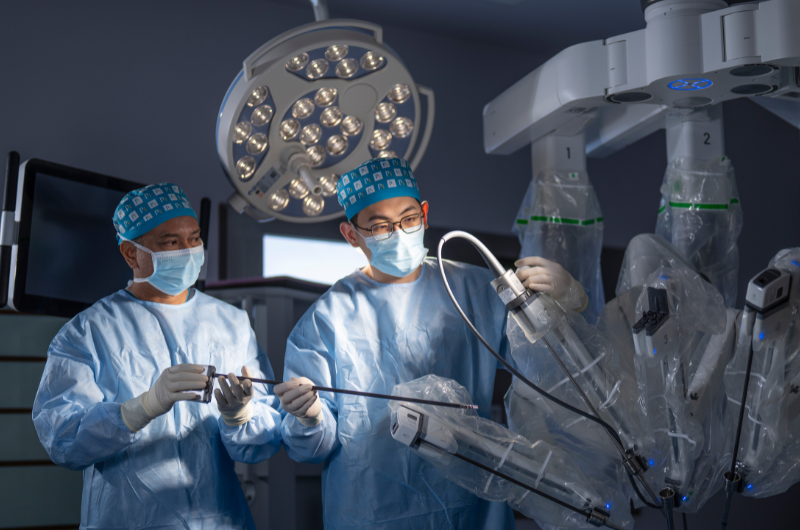
At Hospital Picaso, this major surgery is achievable using laparoscopic or robotic surgery, which are both keyhole surgical approaches. This minimally invasive approach is associated with less postoperative pain, faster recovery and a shorter hospital stay, with comparable cancer outcomes to conventional open surgery.
The stage of the cancer will depend on the final histology of the uterus. Based on the final histology report, the woman may or may not require additional treatment, usually in the form of radiotherapy, with or without chemotherapy. Women will then be referred to our clinical oncologists should the need arise.
Conclusion
At Hospital Picaso, we take a multidisciplinary, holistic approach to cancer treatment, providing patients with optimal care throughout their cancer treatment journey.
We also have a certified counsellor who can help patients deal with or cope with a cancer diagnosis, so that the journey through cancer does not have to be a lonely one.
We recognise that cancer affects not only one’s physical health but also one’s mental wellbeing, and that good support is paramount to the management of cancer.
Back
More Health Articles







Consult Our Dedicated Specialists Today!
Decades of experience under their belt — at your service just a few clicks away.
Book Appointment Contact Us