

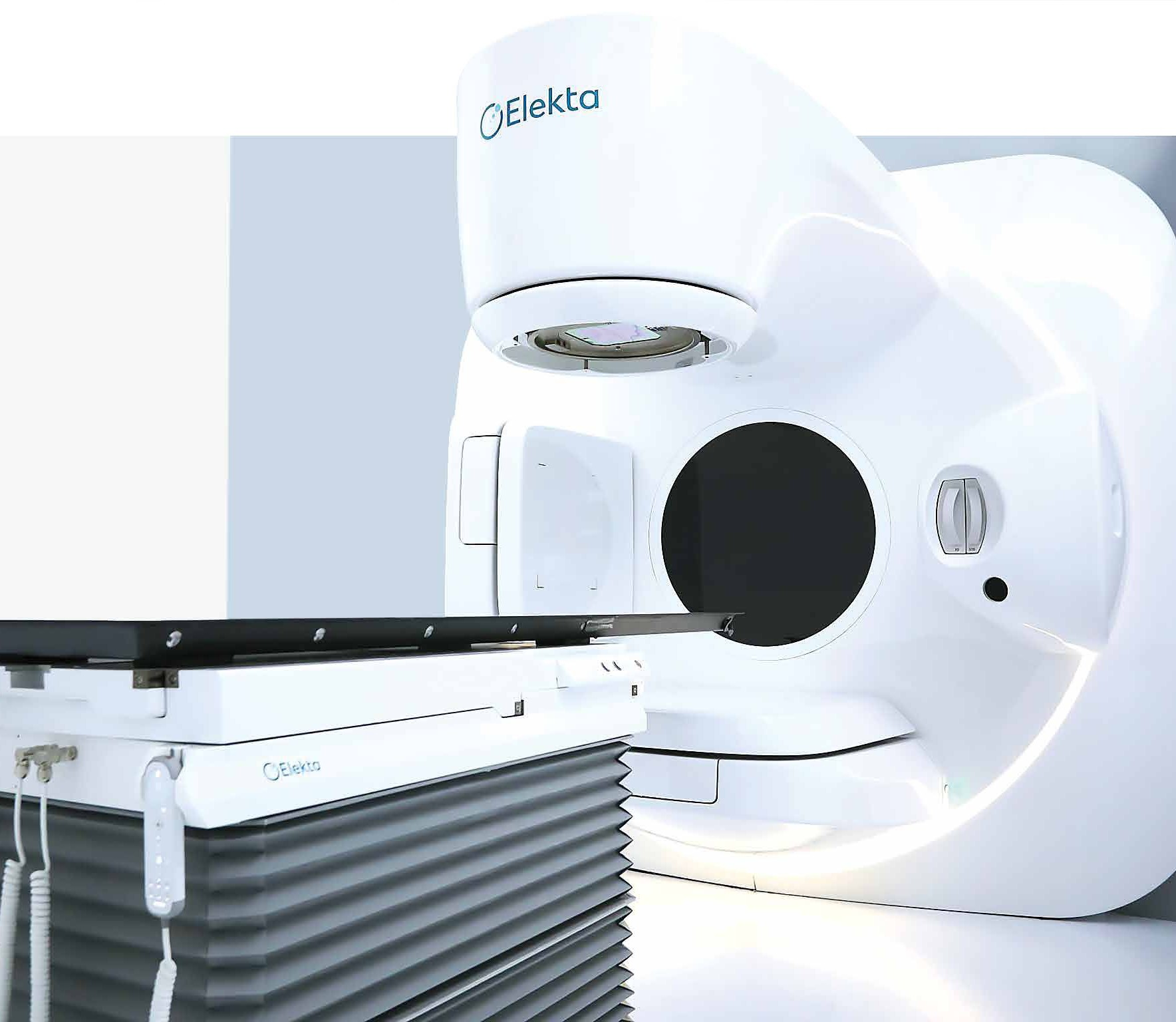
What is External Beam Radiotherapy (EBRT)?
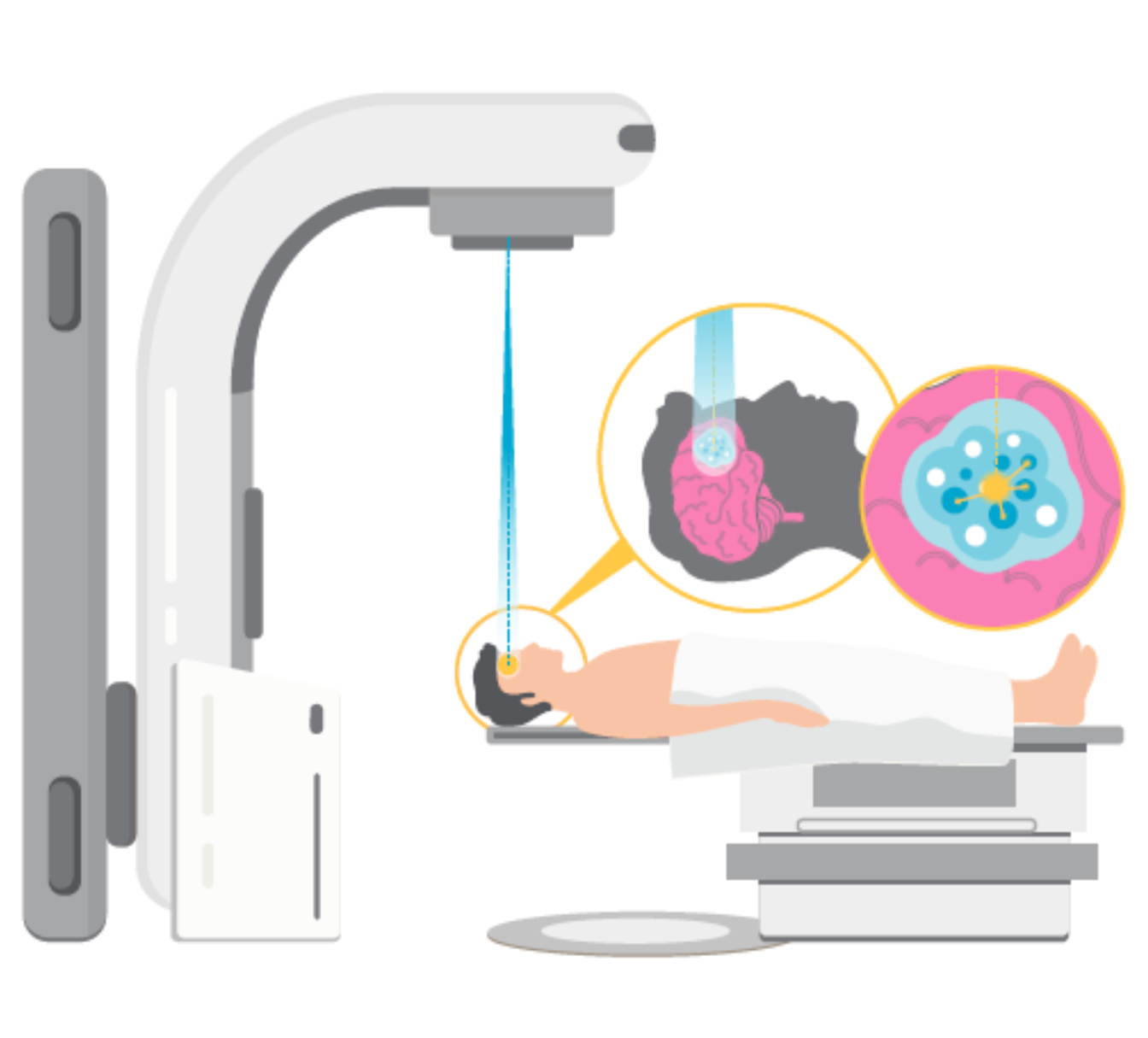
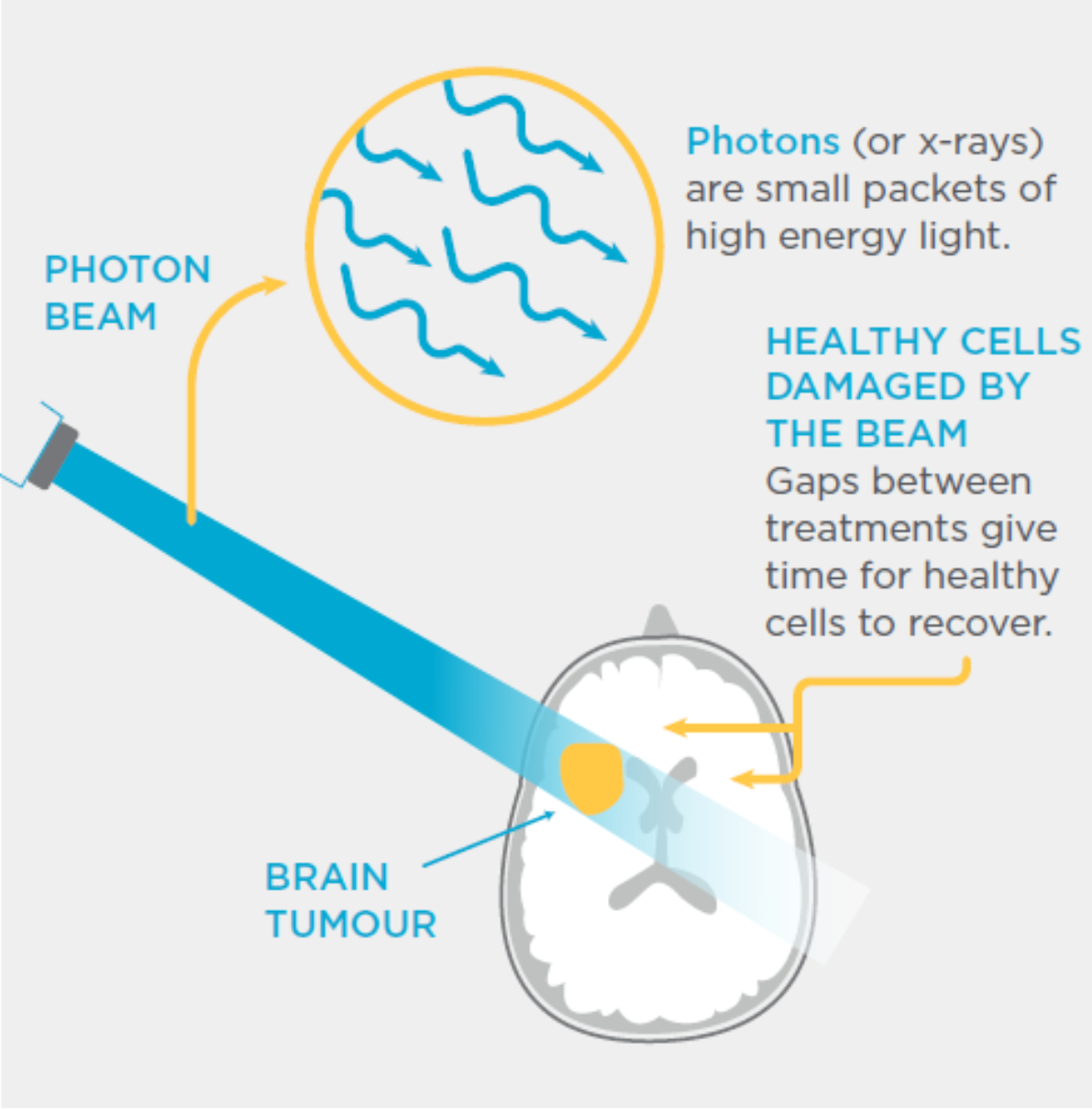
Radiotherapy, or radiation therapy, is a type of cancer treatment. It treats cancer using high-energy X-rays to damage the DNA of cancer cells, either destroying them or inhibiting the growth and division of the tumour cells. One type of radiotherapy is external beam radiotherapy (EBRT) which involves the delivery of radiation externally through a machine.
Goals of EBRT
- To cure cancer cells while sparing healthy cells
- To control tumour growth when a cure is not possible
- To shrink the tumour before surgery
- To improve the patient’s quality of life
EBRT Flow
 |
Consultation
First, you will have a consultation with your Clinical Oncologist. The Clinical Oncologist will review all your medical records and will briefly explain the overall process of radiotherapy including:
|
 |
CT Simulation
After that, you will undergo CT simulation. The CT simulation is performed using a CT scan machine to precisely identify the tumour’s location, shape, and size. Special accessories known as immobilisation devices are used to help ensure you maintain a consistent position throughout the process. CT simulation usually takes about 30 to 60 minutes, depending on factors such as the scanning technique, scan length, and the patient's condition. Prior to CT simulation, you are required to:
|
 |
Treatment Planning
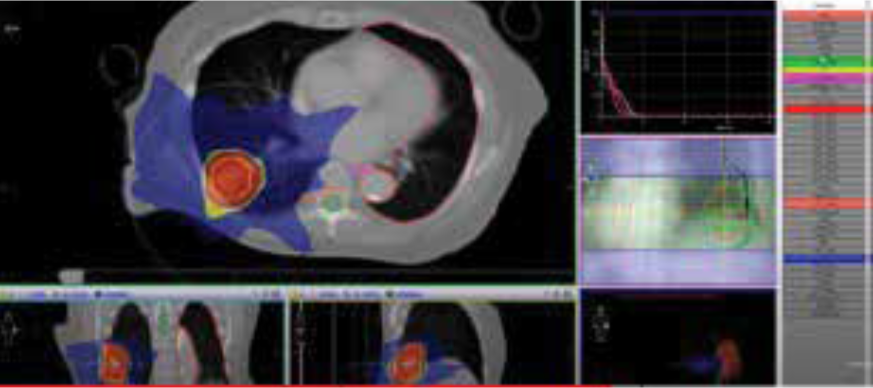
In treatment planning, advanced computer software is used to create a 3D/4D image of treatment area. The Oncologist uses the CT simulation images to delineate the tumour and the organ at risk. Then, the Medical Physicist develops the optimal treatment plan, ensuring maximum radiation dose to the target area while minimising exposure to healthy tissue.
|
 |
Pre-Treatment QA
For advanced radiotherapy treatments, independent quality assurance (QA) of the treatment plan is conducted by a Medical Physicist. This verifies that the delivered treatment aligns with the correct prescription and intent. This rigorous check ensures secure, accurate, and precise delivery of the plan for each patient undergoing advanced treatment. |
 |
Treatment Verification
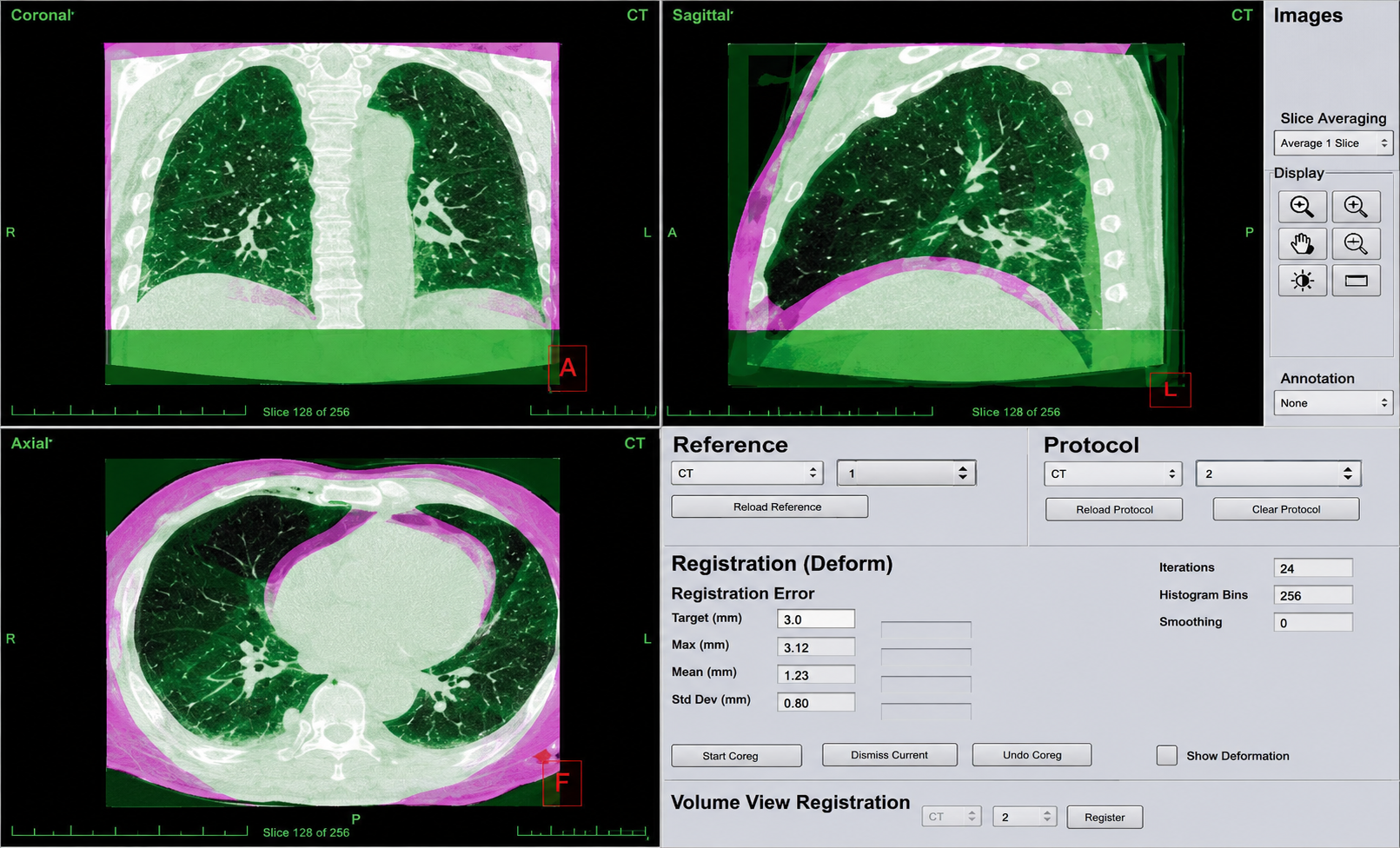
The Radiation Therapist may use the machine’s imaging system to perform image verification by taking a new image of the tumour before treatment delivery to verify the correct target of treatment. If needed, adjustments are made to align your position precisely with the planned position.
|
 |
Treatment Delivery
Duration:
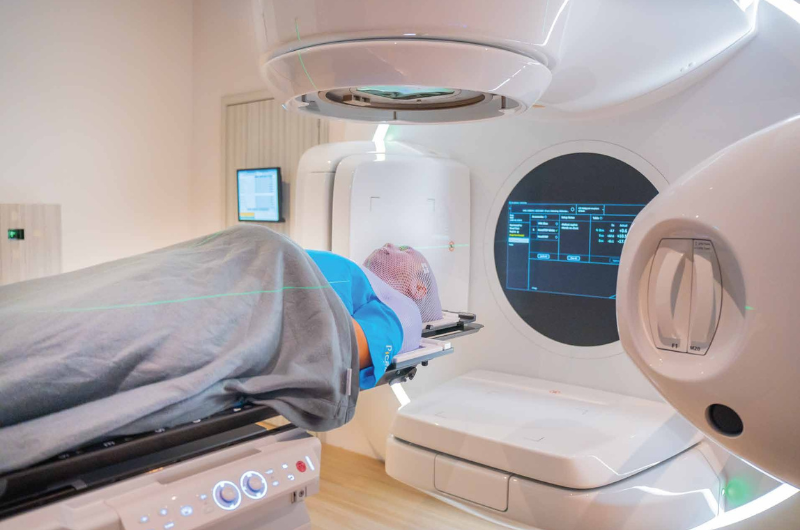
Inside the treatment room, there is a machine called a Linear Accelerator (LINAC) which is used for radiotherapy treatment. The Radiation Therapist will instruct you to lie down on the table and they will adjust your treatment position based on marks on your skin from the CT simulation. You will be continuously monitored by the Radiation Therapist outside the LINAC room. During treatment delivery, the LINAC will rotate around you according to the treatment beam’s position. Throughout the delivery of the radiation beam, you will hear a buzzing noise coming from the LINAC, but you will not be able to feel, hear, see, or smell the radiation. To ensure the treatment is precisely targeted to the tumour, it is crucial for you to stay still and breathe normally. Once the treatment is done, the Radiation Therapist will re-enter the treatment room to accompany you out. |
What Will Happen After EBRT?
After completing the course of treatment, the Oncologist will schedule a post-treatment review. This review is aimed at assessing the tumour’s response, evaluating any side effects, and monitoring the patient’s overall health.
Possible Side Effects
Side effects vary depending on the treatment area. While some patients may not experience any immediate symptoms, others may notice the following:
- Tiredness or fatigue
- Mild skin reactions (redness, dryness, itching, or darkening)
- Localised soreness or discomfort around the treatment site
These effects are usually temporary and manageable.

Who is Involved in EBRT?
As radiotherapy requires a multidisciplinary approach, the radiotherapy team consists of skilled healthcare professionals who are committed to supporting you throughout your radiotherapy journey.
 |
CLINICAL ONCOLOGIST
|
 |
RADIATION THERAPIST
|
 |
MEDICAL PHYSICIST
|
 |
RADIOTHERAPY NURSE
|
 |
HEALTHCARE ASSISTANT
|
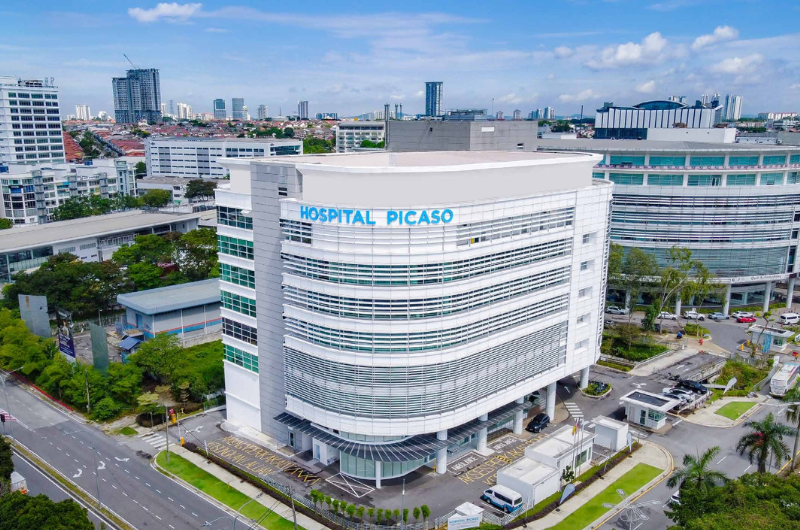
About Hospital Picaso
Hospital Picaso, short for PJ Integrated Centre of Advanced Surgery and Oncology, is a premier cancer centre located in the heart of Petaling Jaya offering a full spectrum of advanced cancer treatment. As a leading centre for advanced surgery and integrated oncology in Malaysia, we are committed to delivering personalised medical solutions tailored to each patient’s journey.
Equipped with cutting-edge technologies, including robotic operating theatres and specialised therapy centres, and supported by a team of dedicated multidisciplinary team, we are here to keep hope alive. At Hospital Picaso, we believe that recovery is a fight worth winning and no one should have to face it alone.
Meet Our Specialists

Dr Mastura Md Yusof
Consultant Clinical Oncologist
Dr Christina Lai Nye Bing
Consultant Clinical Oncologist
Dr Tan Chih Kiang
Consultant Clinical OncologistConsult Our Dedicated Specialists Today!
Decades of experience under their belt — at your service just a few clicks away.
Book Appointment Contact Us